Tokyo
Tokyo Bangkok
 Seoul
Seoul Singapore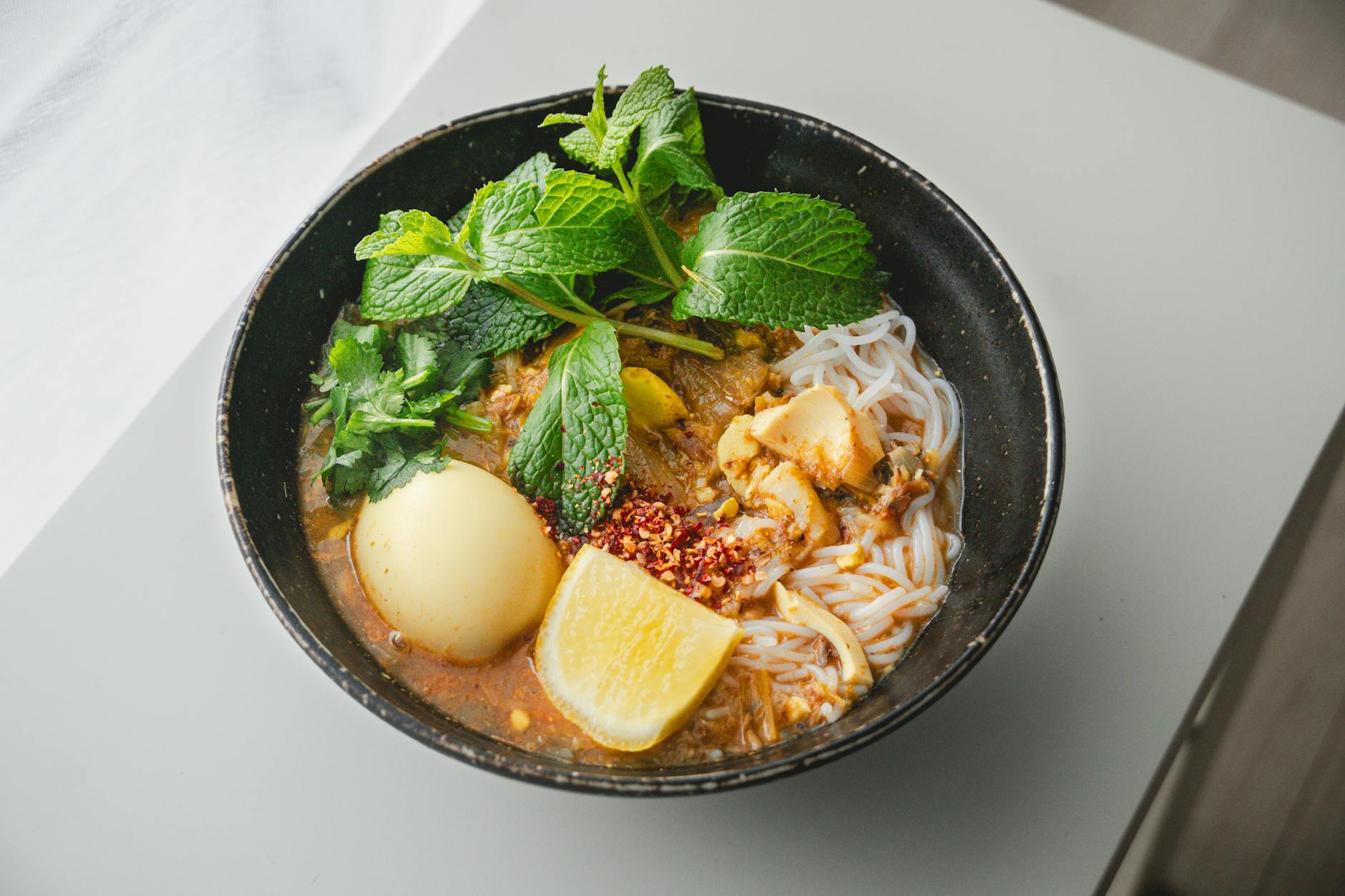
Laksa: Origins, Regional Variations, and Where to Eat It
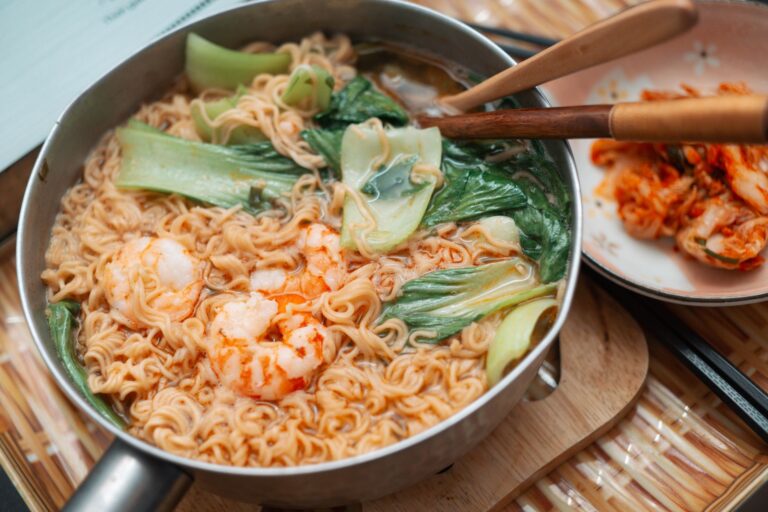
Laksa is Southeast Asia’s ultimate noodle soup mashup—where Indian spices crash into Chinese noodles, all filtered through Malay and Peranakan kitchens. Think rice or egg noodles drowning in a broth that’s either coconut-creamy or seafood-savory, loaded with shrimp, fish cakes, or chicken. The magic isn’t in one ingredient. It’s in the chaos: that broth needs to be bold, layered, and sturdy enough to make the noodles just the sidekick.
Origins and History
Laksa popped up in 19th-century Malaysia and Singapore, born from port cities like Penang where Indian, Chinese, and Malay communities collided. The name might come from the Sanskrit “laksha” (meaning “ten thousand”) or the Malay “laksih” (a noodle type). Either way, it stuck.
By the 1900s, two main styles took shape: Penang’s tangy Assam Laksa and Singapore’s creamy Laksa Lemak. Here’s the thing—laksa wasn’t some royal recipe or street food legend. It grew organically in working-class spots where people tweaked broths and toppings based on what they had. That’s why today, no two laksas taste alike.
Regional Variations
Penang Assam Laksa hits you with a sour tamarind broth packed with sardines or mackerel. Topped with pineapple, cucumber, and mint, it’s lighter but punchier than other versions. Georgetown’s streets are laksa ground zero.
Singapore Laksa Lemak is the rich cousin. Coconut milk softens the blow of chili paste, shrimp paste, and spices. Egg noodles, cockles, and tofu puffs make it hearty. This is the one you’ve probably seen on food blogs.
Kuala Lumpur versions split the difference—less sour than Penang, less heavy than Singapore. Some toss in both tamarind and coconut. Others go wild with chicken broths or extra-creamy twists.
Sarawak Laksa flies under the radar. From Malaysian Borneo, it’s turmeric-yellow, drier, and served with stubby noodles. Good luck finding it outside the region.
What Makes a Great Laksa
Broth is everything. The spice paste can’t be half-assed: dried chilies, shallots, garlic, turmeric—all fried until they smell like heaven. Skip this step, and you get sad, pale soup.
Coconut laksa needs full-fat milk, not the diet stuff. Tamarind laksa demands real fish stock, not fish sauce mixed with water. And the noodles? Fresh rice noodles should bounce back when you bite them. Mush means someone wasn’t paying attention.
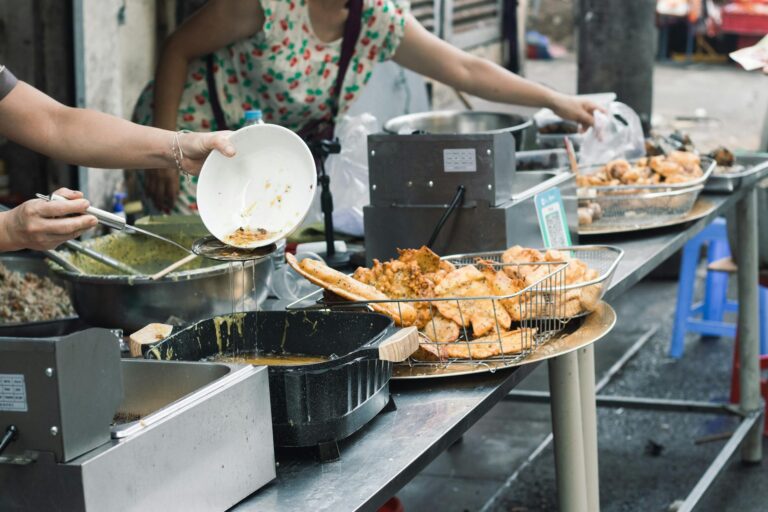
Pro tip: the best laksa spots look like they’ve seen better days. Busy hawker stalls in Singapore’s Joo Chiat or Penang’s Lebuh Chulia churn out fresher broths because they’re constantly restocking. A spotless, empty shop? Red flag.
Where to Try Laksa: City by City Guide
Penang (Georgetown): Hit Lebuh Chulia or Lebuh Kimberley for Assam Laksa wars. Lines form fast at lunch. Laksa Assam Line Clear near Lorong Selamat is a crowd favorite—but locals will fight you over which stall reigns.
Singapore: Joo Chiat Road in Katong is laksa central. A dozen stalls compete within blocks. 328 Katong Laksa gets the hype, but try a few to taste the differences—some sweeter, some spicier, all delicious.
Kuala Lumpur: Laksa here plays hard to get. Check food courts in Jalan Alor or Petaling Street. KL’s versions are usually hybrids—best for indecisive eaters.
Price Guide
Malaysia: RM 8–12 (USD $1.80–2.70). Tourist traps might charge RM 15–18. Singapore: SGD 5–8 (USD $3.75–6). Mall food courts jack it up to SGD 10–12. Either way, it’s a steal.
Laksa is Southeast Asia on a plate—immigrant hustle, regional pride, and zero shortcuts. The broth takes time. The flavors take no prisoners.