Tokyo
Tokyo Bangkok
 Seoul
Seoul Singapore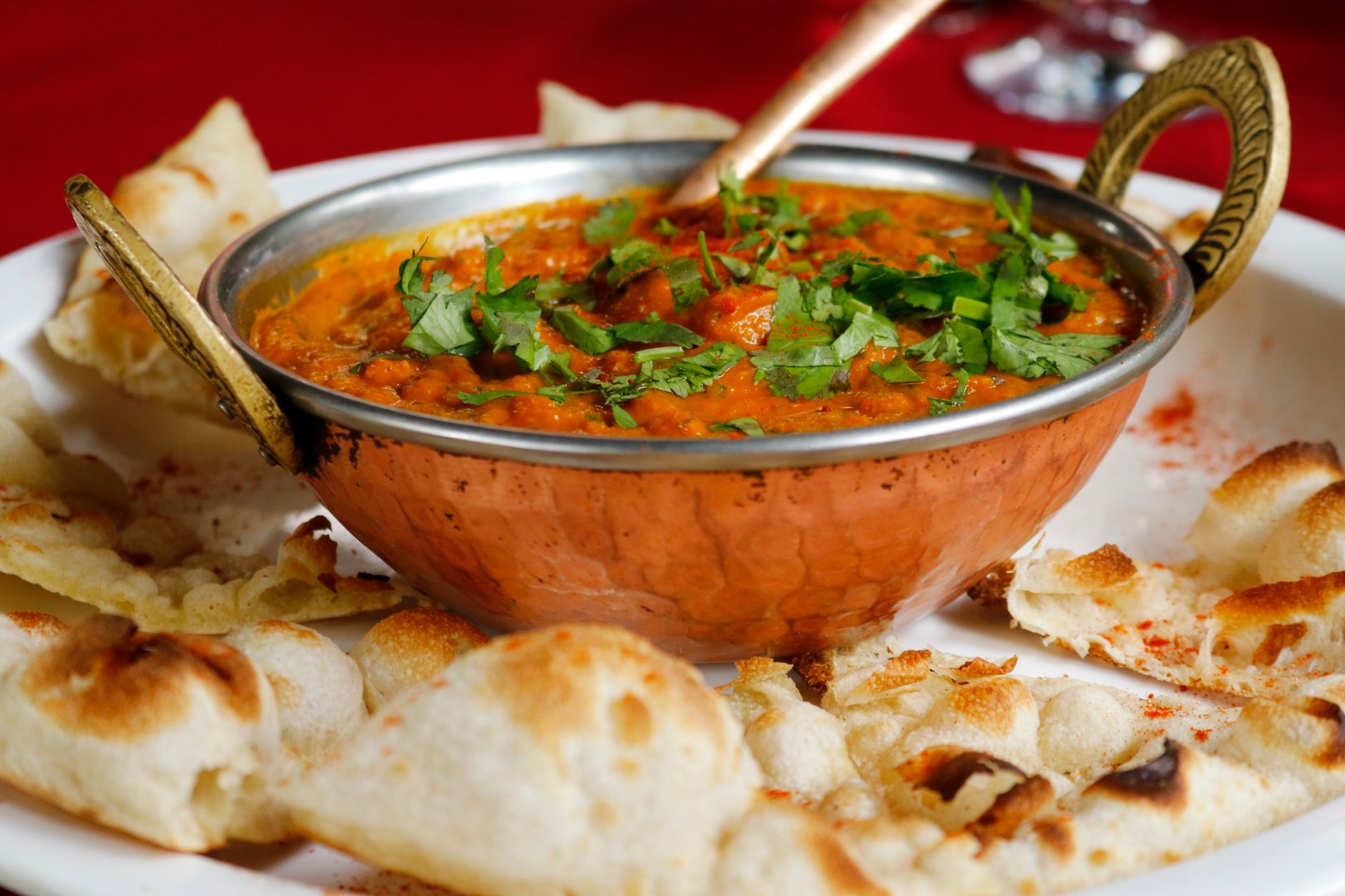
Gaeng Daeng: Why This Thai Curry Deserves Your Attention
At a corner stall in Bangkok’s Talad Rot Fai market, steam curls from a pot of gaeng daeng as a woman in her sixties scoops it into a takeaway box. A construction worker leans against the counter, phone in one hand, hungry. She takes her time—this curry started simmering at dawn, and rushing won’t make it better. For Thais, gaeng daeng isn’t fancy dining. It’s lunch. The thing you eat when you need something that just works.
Red Curry Is About Balance, Not Fire
Gaeng daeng means “red curry.” The color comes from chilies, not shortcuts. The paste—pounded from garlic, shallots, lemongrass, galangal—gets cooked with coconut milk, meat or seafood, and whatever vegetables are around. No tomatoes. No food dye.
What makes gaeng daeng matter isn’t creativity. It’s reliability. This curry shows up in school cafeterias, office microwaves, and home kitchens across Thailand. Done right, each bite feels inevitable—like this exact mix of heat, salt, and coconut richness was always meant to be. Screw it up, and you get chaos in a bowl. The difference? Patience. Most cooks don’t dump in extra sugar or chilies to cover weak flavors. They let the paste speak.
The protein barely matters. Chicken, pork, shrimp, fish—all work. What counts is how the meat soaks up the curry without stealing the show. Vegetables should hold their shape, not turn to sludge. Eggplant, long beans, bamboo shoots: choose your fighter.
Where to Find the Real Deal
In Thailand, skip the tourist spots. Hunt gaeng daeng in wet markets, hole-in-the-wall joints with plastic stools, even mall food courts. At Bangkok’s Chatuchak Weekend Market, follow the locals—not necessarily the longest lines. Ask for gaeng daeng gai (chicken) or gaeng daeng pla (fish). Eat it with jasmine rice and a side of nam pla spiked with chilies.
Outside Thailand, authenticity gets fuzzy. Most US and UK Thai restaurants tweak their curries for foreign tastes—less salt, more sugar, milder heat. Not bad, just different. Your best bet? Find a place where Thai families eat. If the gaeng daeng hits salty, sweet, and spicy in equal measure without any one flavor bulldozing the others, you’ve struck gold.
Australia does better. Melbourne’s Footscray and Sydney’s Eastwood have Thai-run spots that stick closer to the original blueprint.
Gaeng Daeng Shows How Thai Cooking Really Works
Food writers love gushing about complexity. Gaeng daeng proves simplicity wins. Five or six ingredients. Pound. Simmer. Done. No fancy techniques. No reductions. Just good flavors built on solid basics.
This reflects Thai cooking’s core: balance over innovation. Sweet, salty, sour, hot—they should talk to each other, not shout. Too much of any ruins everything. Thai cooks don’t obsess over “layering flavors.” They care if the dish tastes right. If it makes you want another bite. If it plays nice with rice.
Gaeng daeng also explains why Thais often cook at home. It takes time, not skill. No culinary degree required—just attention and a willingness to taste as you go. Every household has its own version, tweaked based on mood or what’s fresh at the market.
Try this: Make gaeng daeng yourself. Start with store-bought paste (check the label—real ingredients only). Fry it in coconut milk, add protein and veggies, simmer briefly. Taste. Adjust. Eat with rice. You’ll instantly get why this curry doesn’t need hype—it just needs to be in your life.