Tokyo
Tokyo Bangkok
 Seoul
Seoul Singapore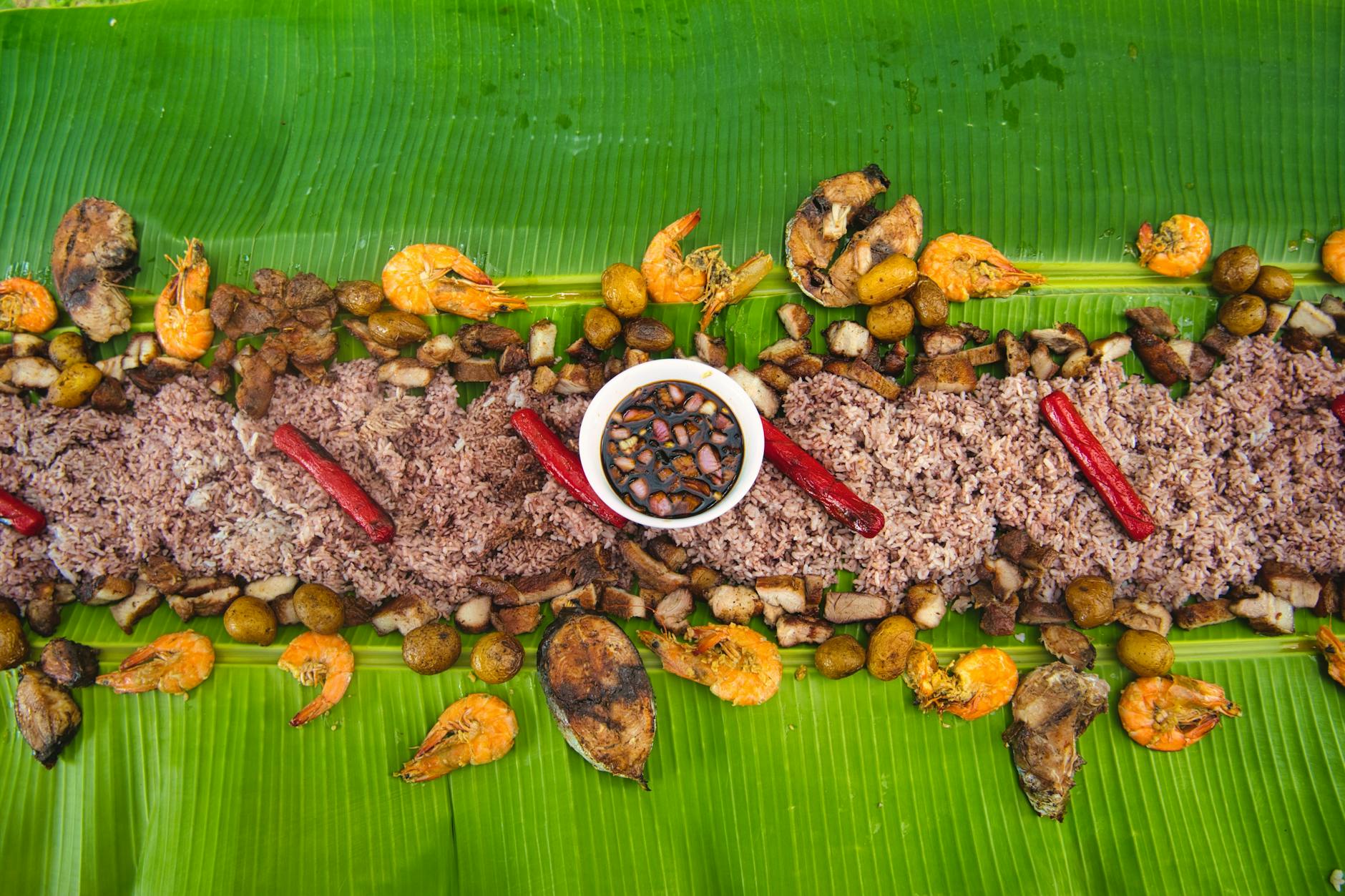
Filipino Fiesta Food: Lechon and Kare-Kare Explained
Filipino celebrations always have lechon, but tourists often get a sad buffet version and think that’s it. Same goes for kare-kare—that peanut stew watered down at chain spots in Manila. Here’s how to spot the real deal, and why these dishes mean more than just flavor.
Lechon Isn’t Just Pork—It’s How Filipinos Party
A whole pig roasted over charcoal for hours until the skin shatters and the meat stays juicy. Calling it “roasted pork” doesn’t cut it. In the Philippines, lechon means something’s happening—a fiesta, a wedding, Christmas. It’s how you show guests they’re getting fed right.
Good lechon? Three things: what the pig ate (corn-fed tastes better), how it’s cooked (charcoal, never gas), and the sauce. Real lechon sauce—pig liver, vinegar, spices—should punch you with flavor, not taste like sweet glop. The skin should crack, not bend. If it bends, walk away.
Kare-kare’s a peanut stew with oxtail or beef, veggies, and a sauce thick from ground toasted peanuts. It shouldn’t taste like peanut butter soup. Weak versions are thin and boring. The good stuff coats your spoon and tastes like someone actually toasted the peanuts.
Where to Eat Lechon and Kare-Kare That Doesn’t Suck
In Manila, avoid the mall food courts. Hit Lechon Kawali in Quezon City—they roast pigs daily, sell by the kilo, and charge half what hotels do. The skin crackles, the meat falls apart, and their liver sauce is perfect: tangy, funky, not sweet.
For kare-kare, Barrio Fiesta’s everywhere and never disappoints. Their sauce actually tastes like peanuts, and they load up the oxtail. Get it with bagoong (shrimp paste) to cut the richness.
In Cebu? Go to a fiesta. Seriously. Ask locals where one’s happening—they’re year-round. You’ll eat killer lechon for cheap and see how these dishes actually work: not as tourist bait, but as community glue.
It’s About the Feast, Not Just the Food
Travel guides treat lechon and kare-kare like checklist items. Wrong. They’re part of something bigger: massive shared meals where everyone eats for hours. A fiesta table has lechon, kare-kare, lumpia, rice, and way too much else. You’re supposed to graze, talk, then eat more.
This matters because eating lechon alone at some restaurant misses the point. It’s meant for crowds. If you only eat at restaurants here, you’ll get the food but not the culture. The real move? Get invited to a family meal or crash a fiesta—someone will feed you.
Also: lechon’s served warm, not hot. If it’s steaming, they’re hiding something. The skin stays crispy for hours.
One Last Thing
Before you leave, grab lechon from a street vendor in a random neighborhood. Look for a handwritten sign in Quezon City or Manila, buy a chunk, and eat it standing up with your hands. That’s how it’s done here. You’ll get it.