Tokyo
Tokyo Bangkok
 Seoul
Seoul Singapore
Curry Laksa: Malaysia’s Most Complex Street Food
Curry laksa isn’t just Malaysian food—it’s a cultural declaration in a bowl. Getting it right takes skill, stubbornness, and ingredients vendors won’t bend on.
Why Curry Laksa Demands Respect (And Why Most Versions Fail)
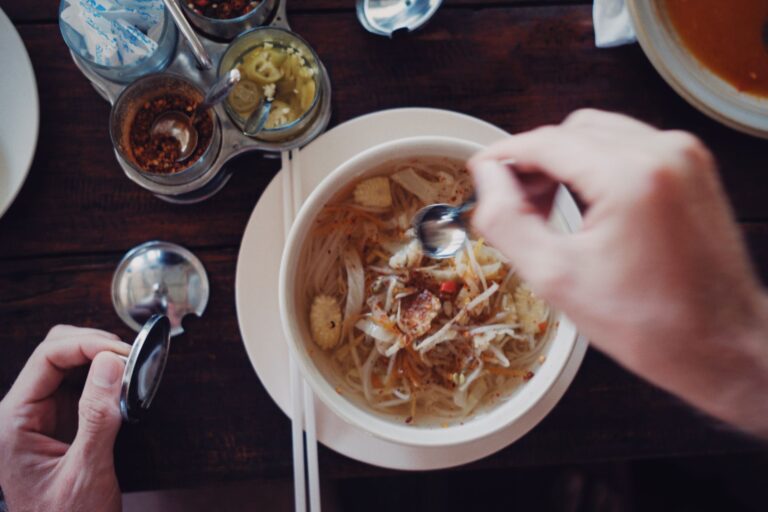
This dish sets the bar for street food difficulty. That broth? Fish stock, chilies, galangal, turmeric and shrimp paste simmering for half a day. A good laksa wraps your tongue in layered heat. A bad one tastes like spicy dishwater with noodles.
No shortcuts allowed. Fresh noodles only. The garnishes—cucumber, pineapple, egg, shallots, herbs—aren’t just pretty. They balance the richness. Homemade fish cakes or bust. And the broth temperature? Too cold and it’s weak. Too hot and the curry splits.
Geography changes everything. Penang’s version leans fishy and tart. KL goes creamy with coconut milk. Johor keeps it light with seafood. All valid if done properly.
Where the Best Curry Laksa Still Exists in Malaysia
Penang’s Gurney Drive hawker center is ground zero. Three legendary stalls there haven’t changed their recipes since the 70s. They open at dawn, close by lunch—no exceptions. Show up late and you’re waiting.
Must-try spots: Laksa Penang on Jalan Penang (same family since ’85) and that no-name stall at Lebuh Chulia corner locals swear by. Ask for “laksa lemak” if you want it rich, “laksa assam” for the fishier style.
KL’s Petaling Street has decent options, but quality wobbles. Better bet: hit Jalan Alor after dark. Look for Auntie Lim’s red awning—her broth nails the sweet-heat-umami trifecta without cheating with sugar.
Stuck outside Malaysia? London’s Laksa King does a respectable version that won’t make you homesick.
What Travel Guides Miss: The Economics and the Decline
Real curry laksa is vanishing. Not from menus—from the streets where it was born. The math sucks: 45 minutes prep per bowl, $0.80 in costs, sells for $3. Young cooks aren’t taking over. Most vendors today are retirees still working out of habit.
Instagram tourism isn’t helping. Popular spots now prioritize looks over technique. Smaller portions. Quicker cooking times. The best laksa in 2024? Probably at some no-signage stall that ignores tourists.
This isn’t romanticizing the past. It’s what happens when street food meets modern economics. The laksa worth eating comes from a tired-looking cook with a line of regulars, served at hours tourists sleep through.
What You Should Do
Get to Penang. Early. Gurney Drive. Find the longest queue. Eat standing up. No other way to get it.