Tokyo
Tokyo Bangkok
 Seoul
Seoul Singapore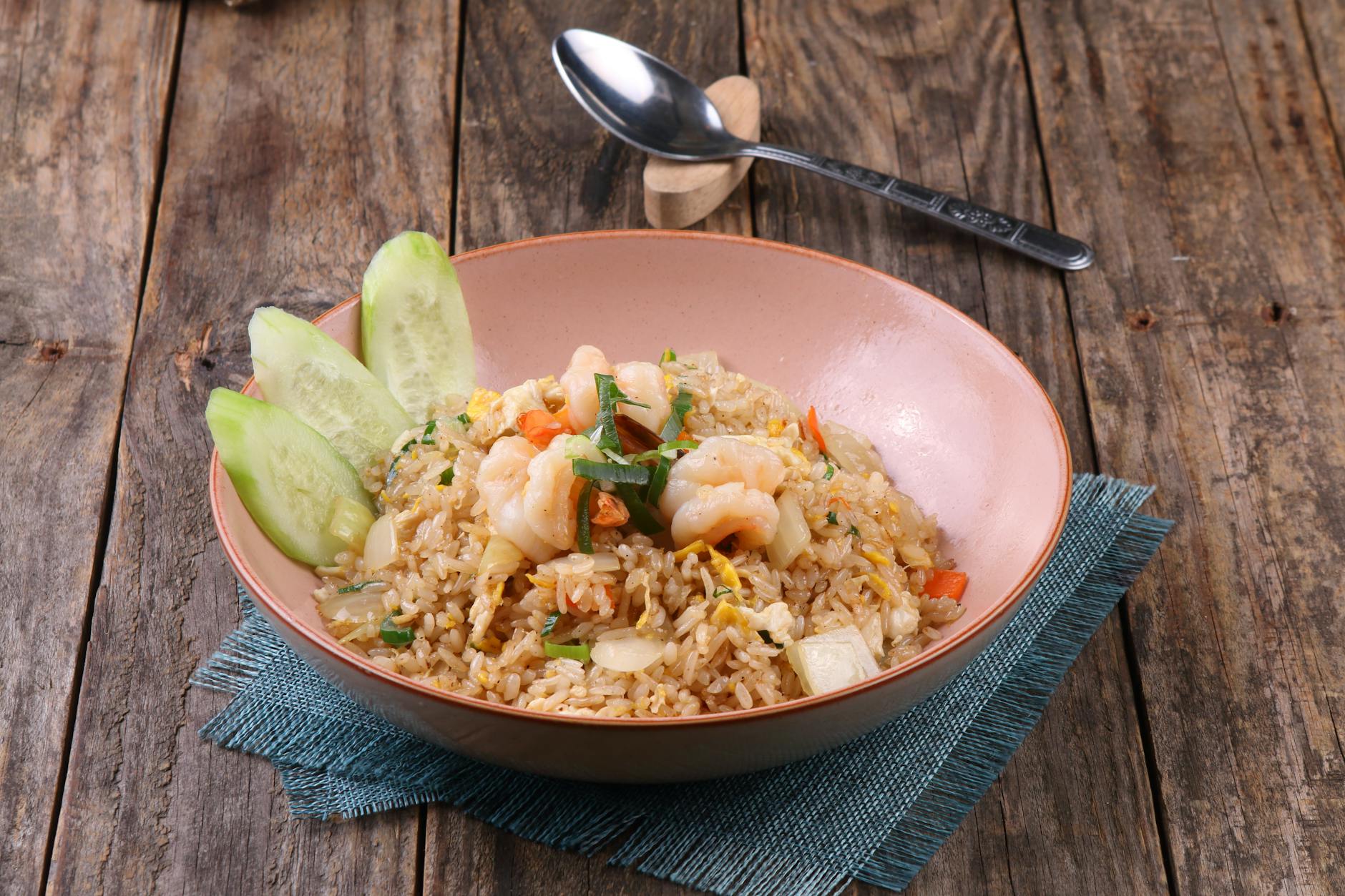
Khao Pad Sapparod: Why This Thai Fried Rice Matters
You know those photos of fried rice in a pineapple half at places called “Golden Orchid” or whatever? Most people write it off as tourist bait. They’re wrong. Khao pad sapparod shows exactly how Thai cooks balance flavors—and why they’ve been crushing it for centuries.
Pineapple Fried Rice Is Regional, Not National—And That Matters
Here’s the deal: khao pad sapparod mixes pineapple chunks with rice, usually shrimp or chicken, plus cashews, raisins, and just enough fish sauce to tamarind. It’s big in Bangkok and central Thailand, though you’ll spot it in Phuket and Chiang Mai too. That pineapple isn’t just for show. It pulls triple duty—cuts through the fish sauce’s saltiness, adds bright acidity, and caramelizes slightly for depth you can’t fake with sugar.
Bad versions? They’re everywhere. Canned pineapple. Too sweet. Treating the pineapple shell like a prop instead of a cooking tool that actually works. (Pro tip: the hollowed-out fruit keeps the bottom rice crispy while the top stays tender.) A good one balances sweet, salty, sour, and savory perfectly. A bad one tastes like someone dumped sugar in and called it a day.
Where to Eat This and What to Actually Order
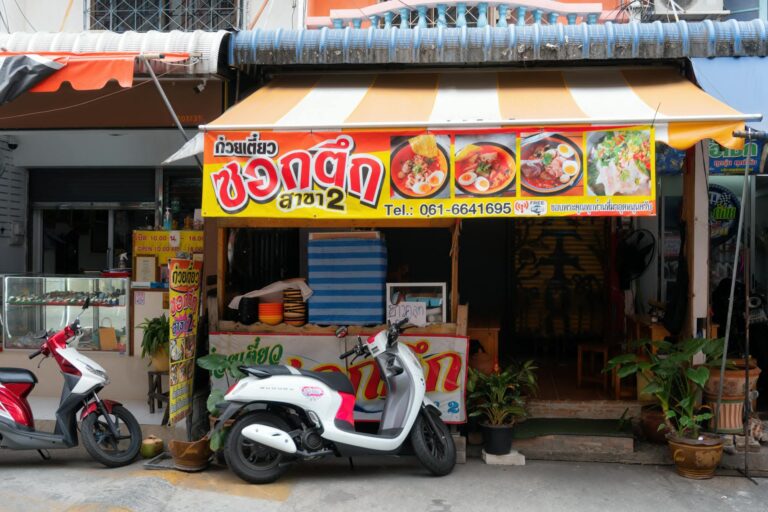
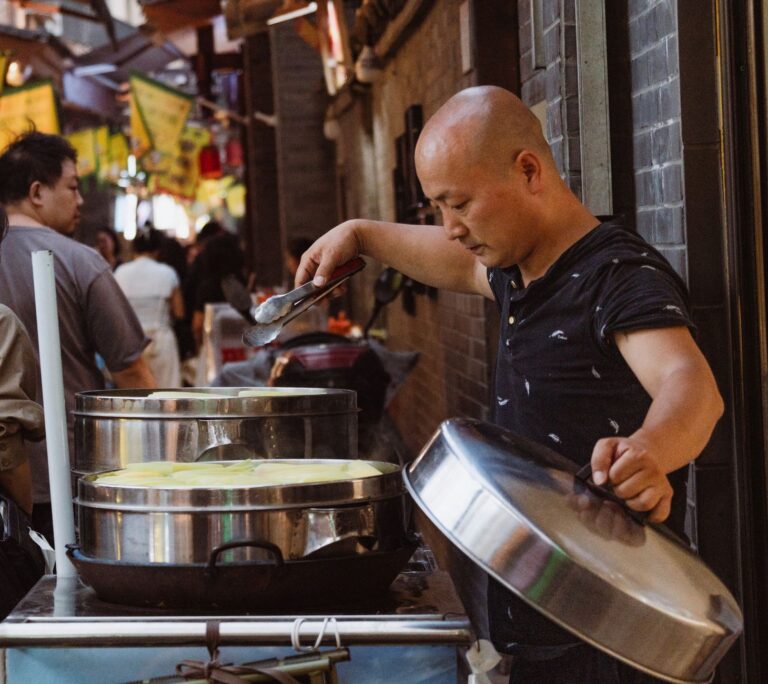
In Bangkok, avoid Khao San Road. Hit Chinatown (Yaowarat) between 11 and 2 when lunch stalls are buzzing. Follow the office workers to wok stations with lines. You’ll pay 60-80 baht ($1.70-$2.30). The rice will be yesterday’s, the pineapple fresh, and the cook? They’ve probably made 200 portions this week already.
Phuket’s night markets (especially Weekend Market and Patong’s side streets) have specialists. Go for shrimp—it plays nicer with the pineapple than chicken. Say “mai pet” for mild or “pet nit noi” for a little heat. They’ll adjust.
Chiang Mai does it less often, but Warorot Market vendors nail it. Up here, they might tweak the fish sauce or add turmeric—northern style.
What This Dish Actually Reveals About Thai Cooking Philosophy
Here’s the real story: khao pad sapparod exists because Thai cooks hate boring flavors. Western dishes often spotlight one ingredient. Thai food? It’s all about tension. The pineapple doesn’t just sweeten—it makes the fish sauce taste fishier, like salt boosts chocolate. Raisins add a different sweetness. Cashews bring crunch and fat. Tamarind keeps everything from mushing together.
That’s why this dish, despite its Instagram looks, is dead honest. It’s not here to wow you. It’s here to feed you by juggling flavors without any one stealing the show.
Also notice: day-old rice (fries better), cheap proteins, local fruit. It’s working-class food that tastes incredible—like most Thai cuisine.
What to do: Next Thailand trip, skip the restaurants. Grab khao pad sapparod from a lunch stall in a Thai neighborhood. Eat it standing up. Pay attention to how the sweet and salty swap places on your tongue. That’s not luck—that’s craft.