Tokyo
Tokyo Bangkok
 Seoul
Seoul Singapore
Com Tam: Vietnam’s Broken Rice Dish Deserves Your Attention

Com tam is Vietnam’s everyday fuel—the dish locals actually eat, not just the one tourists photograph. While pho and banh mi hog the spotlight abroad, com tam—broken rice piled with grilled meat, tangy pickles, and a runny fried egg—feeds millions without fanfare. It deserves way more love.
Why Broken Rice Became Vietnam’s Most Honest Comfort Food
Com tam was born from necessity, not nostalgia. French colonial mills churned out broken rice fragments—too scrappy to sell, too plentiful to toss. Workers adopted it. Cheap, fast-cooking, and oddly perfect at soaking up flavors, the grains hit a textural sweet spot: not too soft, not too firm. A happy accident turned cultural staple.
A great com tam plate balances like a tightrope walker. Rice anchors it. Your protein—maybe charred pork chop, maybe lemongrass chicken—takes center stage. A fried egg oozes over everything. Sharp pickled veggies cut through richness. Fish sauce ties it together. When it works, each bite hums. When it fails? Dry rice. Rubbery meat. Pickles that taste like straight vinegar. No wonder it hasn’t gone global—mediocre versions fall apart fast.
Where Com Tam Actually Lives: Saigon’s Working-Class Neighborhoods
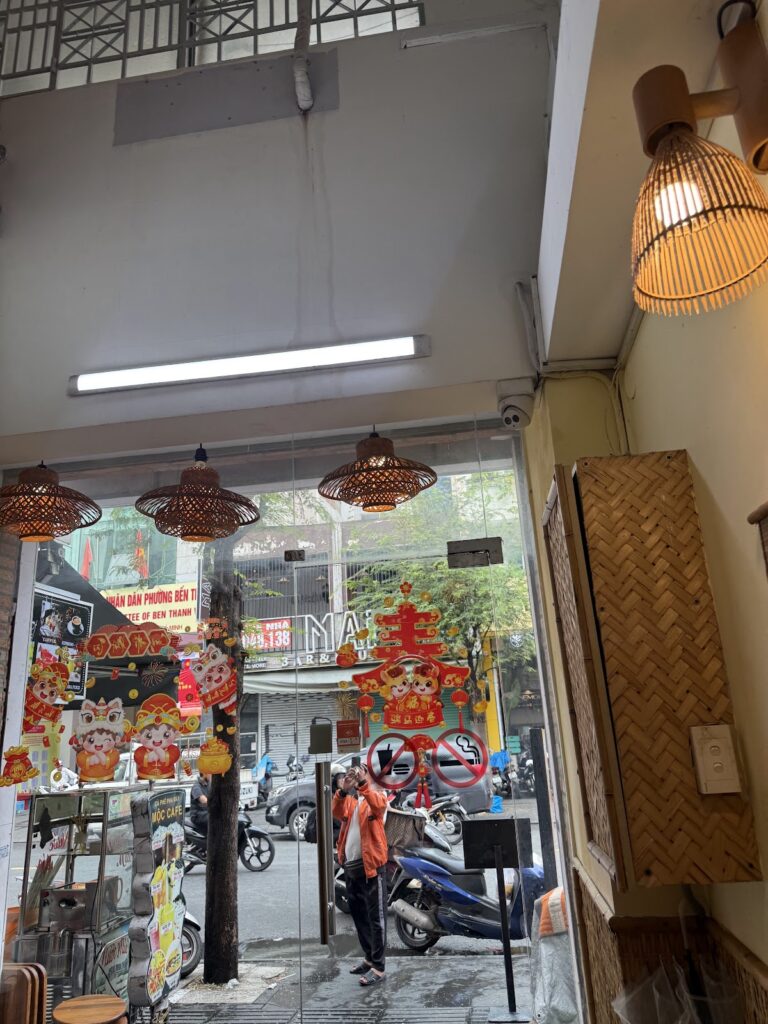
Forget white tablecloths. Com tam thrives at dawn on Saigon’s sidewalks—District 1’s alleys, District 3’s corners, the chaos near Ben Thanh Market. It’s fuel for motorbike mechanics and fruit sellers, served on wobbly plastic stools by cooks who’ve been at it for decades.
Com tam Thuan Kieu in District 3 nails the basics: pork chops thin as paper, edges blackened from the grill, rice that never clumps. Com tam Chicken 68 near Nguyen Hue does juicy thighs right. Both cost less than a coffee back home. Just remember: these spots vanish by early afternoon. Sleep in, and you miss out.
What Guidebooks Miss: Com Tam Is Class Food, Not Aspirational Food
Com tam doesn’t care about your Instagram. It’s the breakfast of hustlers—the people who keep Saigon running. No fancy plating. No watered-down fish sauce. Just real-deal flavors at real-deal prices. That’s why you won’t find it gentrified abroad. The second it tries to be “elevated,” it stops being com tam.
Location changes everything. Saigon’s version leans quick and bright. Hanoi’s favors heft. The Mekong Delta does its own thing. These aren’t tweaks—they’re cultural fingerprints. Want to understand Vietnam? Skip the pho deep-dive. Eat com tam where the construction workers do.
What You Should Do
Grab com tam before 10 a.m. in Saigon. Order the pork chop. Squeeze onto a stool between locals inhaling their breakfast. Ten minutes here tells you more about Vietnamese life than any five-star meal ever could.