Tokyo
Tokyo Bangkok
 Seoul
Seoul Singapore
Chicken Tikka Masala: Regional Secrets and Spice Blends

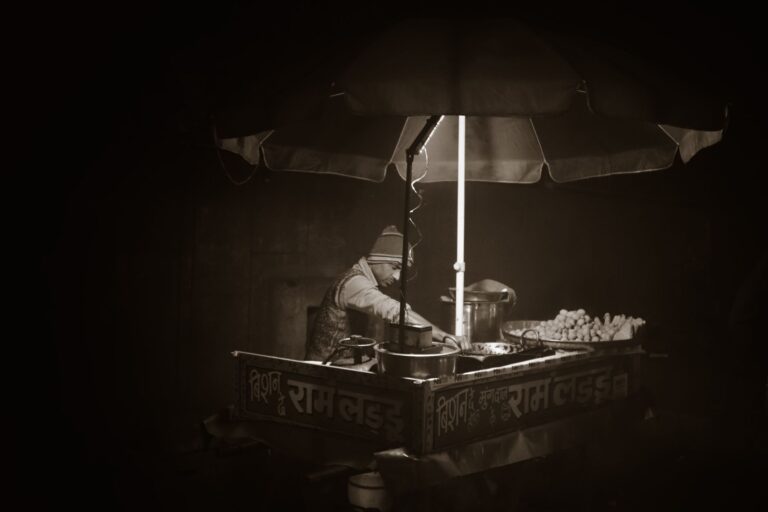
Before sunrise in Delhi’s Chandni Chowk, Rajesh stokes a tandoor that’s been glowing for hours. Skewers of chicken emerge—charred at the edges, glistening, waiting for their saucy finish. Chicken tikka masala isn’t just food. It’s how Indians show love through cooking. And the endless variations, from home kitchens to street stalls, reveal what Indian cuisine really is.
The Masala That Took Over the World—And What Defines the Real Deal
Yogurt-marinated chicken. Tandoor-fired. Swirled in tomato-cream sauce. That’s the blueprint. The meat should be smoky yet tender. The sauce clings without smothering. A bad one tastes like bland tomato soup with rubbery chicken. A good one? Like every ingredient was considered.
This dish was born from necessity. Tandoors deliver fast char. The creamy sauce? A later trick to stretch meals and please crowds. Across India, versions diverge wildly. Punjab’s is spice-heavy, nearly blackened. Mumbai’s leans lighter, maybe with coconut. Goa might toss in kasuri methi and extra tang. None are “wrong.” Just different answers to the same question: what makes chicken sing?
Where to Try It—And What Your Tongue Should Detect
London’s Dishoom in Covent Garden serves a Bombay-style take—creamy but balanced, chicken front and center. New York’s Baluchi’s (East Village) channels Delhi: bolder spices, louder tomatoes. At Sydney’s Maharaja in Parramatta, it’s Punjabi-style—the sauce deep maroon, begging for naan.
Watch for two things: real tandoor smokiness on the chicken, and sauce with heft that doesn’t smother. Neon orange sauce? Leave. Ketchup-cream vibes? That’s laziness, not tradition.
The Spice Secret Most Recipes Miss—And Why Yours Falls Flat
Here’s the thing: flavor comes from steps, not dumps. Toast cumin, coriander, fenugreek seeds until they pop. Caramelize onions—don’t just wilt them. Add tomatoes. Then cream. Each layer builds depth. Skip this, and your sauce tastes one-dimensional.
The marinade’s just as key. Yogurt, ginger-garlic paste, kasuri methi. A dash of amchur (dried mango powder) if you’ve got it—not mandatory, but it adds a quiet tang. The kasuri methi? Non-negotiable. Its earthy bitterness cuts the richness.
No tandoor? Use a grill or oven. Just marinate the chicken at least four hours—overnight’s ideal. Time lets the yogurt and spices work.
The Menu Myth About Chicken Tikka Masala
This isn’t some Mughal-era delicacy. It’s a cook’s hack: how to make chicken exciting, plentiful, and full of heart. It evolved in 1960s-70s UK as Indian chefs adapted to new palates. Undeniably Indian—but also shaped by migration, improvisation, and hustle.
That means no single “authentic” version exists. Just good ones that honor the ingredients. A Punjabi grandma’s recipe differs from a Mumbai chef’s. Both count.
Cook it yourself. Toast those spices. Brown those onions. Use full-fat yogurt. Taste constantly. The gap between mediocre and memorable? Usually just patience—the same kind Rajesh has at 5 a.m. with his tandoor.