Tokyo
Tokyo Bangkok
 Seoul
Seoul Singapore
Turmeric in Indian Cooking: Beyond the Golden Milk Trend

Turmeric doesn’t need more hype. Walk into any trendy café these days and golden milk stares back from the menu, pushed harder than Bitcoin in 2017. But all this talk about health benefits misses the point—Indian cooks have used turmeric for flavor, not medicine, for centuries. The real story isn’t in lab studies or supplement labels. It’s in how one spice tastes completely different depending on where and how you use it.
Why Turmeric Tastes Different Across India
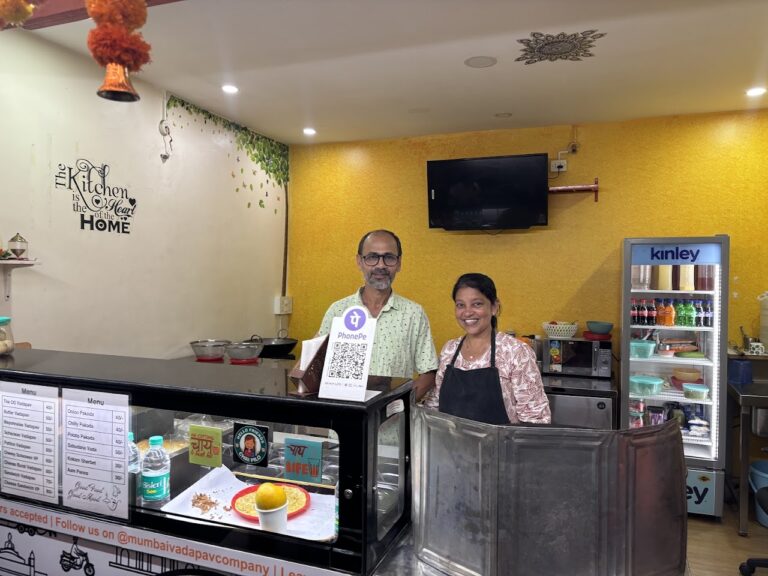
Drive from Maharashtra to Kerala and you’ll taste completely different turmeric, even from the same plant. Near Hyderabad, it shows up in rasam—that thin, peppery soup where turmeric plays backup to chilies and pepper. Just adds earthy warmth. Totally different story in a Mumbai vada pav, where it teams up with gram flour and green chilies to create something savory-sweet. Not medicine here—just good food. Bengali fish curries? Turmeric turns everything gold while fighting for attention with mustard oil and nigella seeds. No wellness claims needed.
The Cooking Method Changes Everything
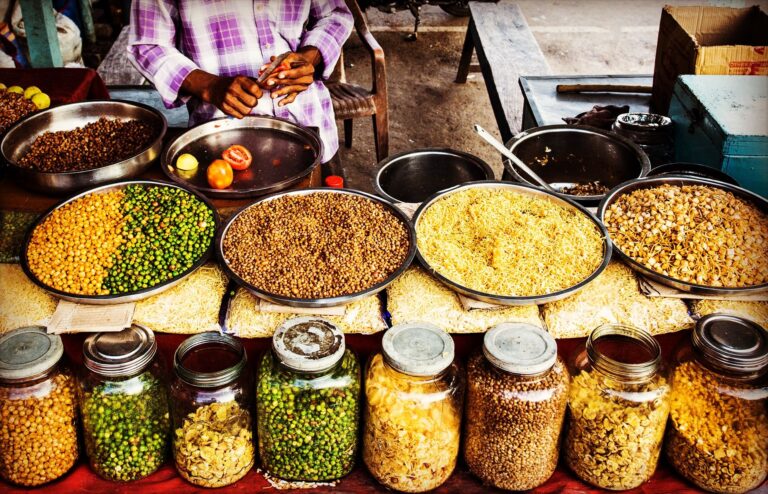
Turmeric’s flavor depends entirely on how you use it. South Indian sambhar powder roasts it dry with other spices first—gives it this nutty, almost caramelized kick you’d never get from raw powder. Goa’s vindaloo? You bloom it in hot oil right at the start, unlocking deep flavors. But toss it into North Indian dal at the end and it stays bright and sharp. This isn’t about absorption rates—it’s about what tastes good. When you cook turmeric right, your taste buds benefit first.
Golden Milk Got the Story Wrong
Golden milk took turmeric out of context and repackaged it for yoga studios. Sure, mixing it with milk and honey tastes fine. But that’s not how turmeric actually works in Indian cooking. Real dishes balance it against sour tamarind, rich coconut milk, or fiery chilies. Take Chettinad chicken—turmeric’s just one player alongside cinnamon, star anise, and coconut. Golden milk makes it the star, which misses the point entirely. The health benefits might be real, but they’re not why this spice matters. It matters because food tastes better with it.
Want to understand turmeric? Skip the supplements. Find fresh root at Indian markets—the flavor blows powder away. Toast your turmeric before adding it to dal. Make rasam properly, not from a packet. This isn’t medicine. It’s just good cooking. The health stuff will happen on its own.