Tokyo
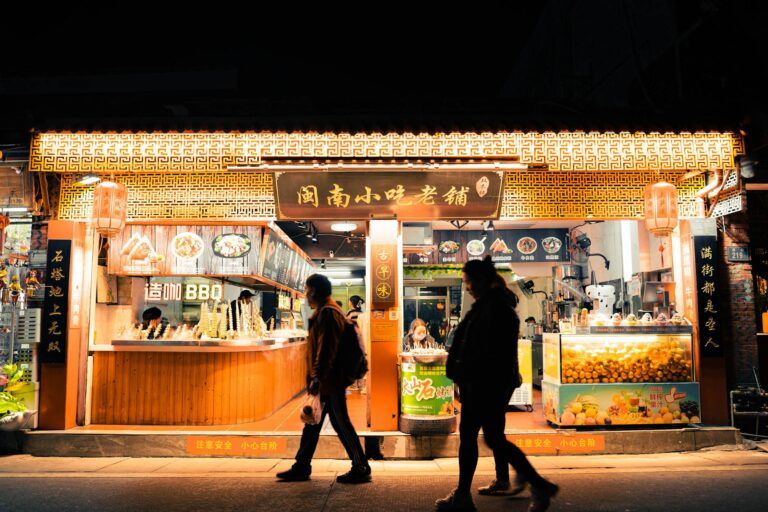
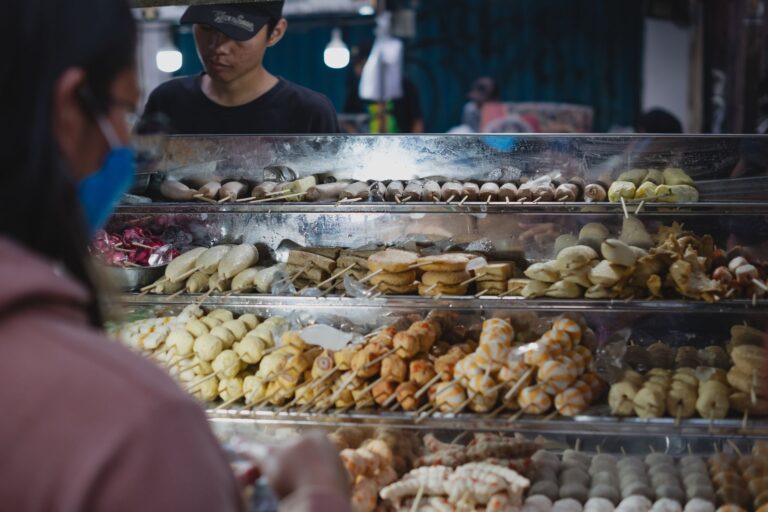
Tokyo Bangkok
 Seoul
Seoul Singapore
Palak Paneer: Regional Secrets & Spice Blends Decoded

Palak paneer gets a bad rap as an easy weeknight dish—most restaurant versions miss the mark. Even decent spots serve spinach blitzed into oblivion, rubbery paneer, and cream dumped in to cover up shortcuts. But done right? It’s a revelation. Real palak paneer tastes like spinach distilled to its essence, with paneer that’s actually tender, all tied together by a sauce that feels natural, not forced.
North India’s Regional Riffs on Palak Paneer
Delhi’s take is nothing like Punjab’s, which is worlds apart from Haryana’s. Near Chandni Chowk, old-school spots serve a broth-like version—light on ginger and garlic, with paneer bobbing in thin sauce. Delhi prefers subtlety. Amritsar and Ludhiana? They go big: more cream, extra butter, sometimes a ghee crown on top. Haryana splits the difference—Punjabi heft with extra spice layers. Think kasuri methi or a pinch of asafoetida. If you’ve only had one style, you’re missing out.
The Spice Game-Changer
Most home cooks rely on ginger, garlic, and garam masala alone. Mistake. Start with cumin seeds toasted in ghee—non-negotiable. They add earthy depth that plays off spinach’s minerality. Coriander powder (not seeds) brings quiet sweetness. A whisper of turmeric, less than you’d use in dal. The secret weapon? One black cardamom pod, crushed into the spinach while cooking. It adds smoke without shouting. Garam masala goes in last. This isn’t fusion—it’s Lucknow’s playbook. Timing matters as much as ingredients.
Why Technique Can’t Be Skipped
Blanching spinach isn’t optional—it’s what keeps flavors clean, not muddy. Ninety seconds in boiling salted water, then straight into ice water. Frozen spinach? Only in a pinch—it turns to mush. Purée with a food processor, not a blender. You want texture, not baby food. Fry paneer in ghee till golden before adding it to the curry—that crust keeps it from falling apart. Simmer the sauce at least twenty minutes after adding paneer. Rush this, and you’ll get a disjointed mess. Keep the heat medium. Too high, and the cream breaks.
If you’re making palak paneer at home, nail the blanching and the simmer. These aren’t nice-to-haves. The gap between decent and great? It’s hiding in those details.