Tokyo
Tokyo Bangkok
 Seoul
Seoul Singapore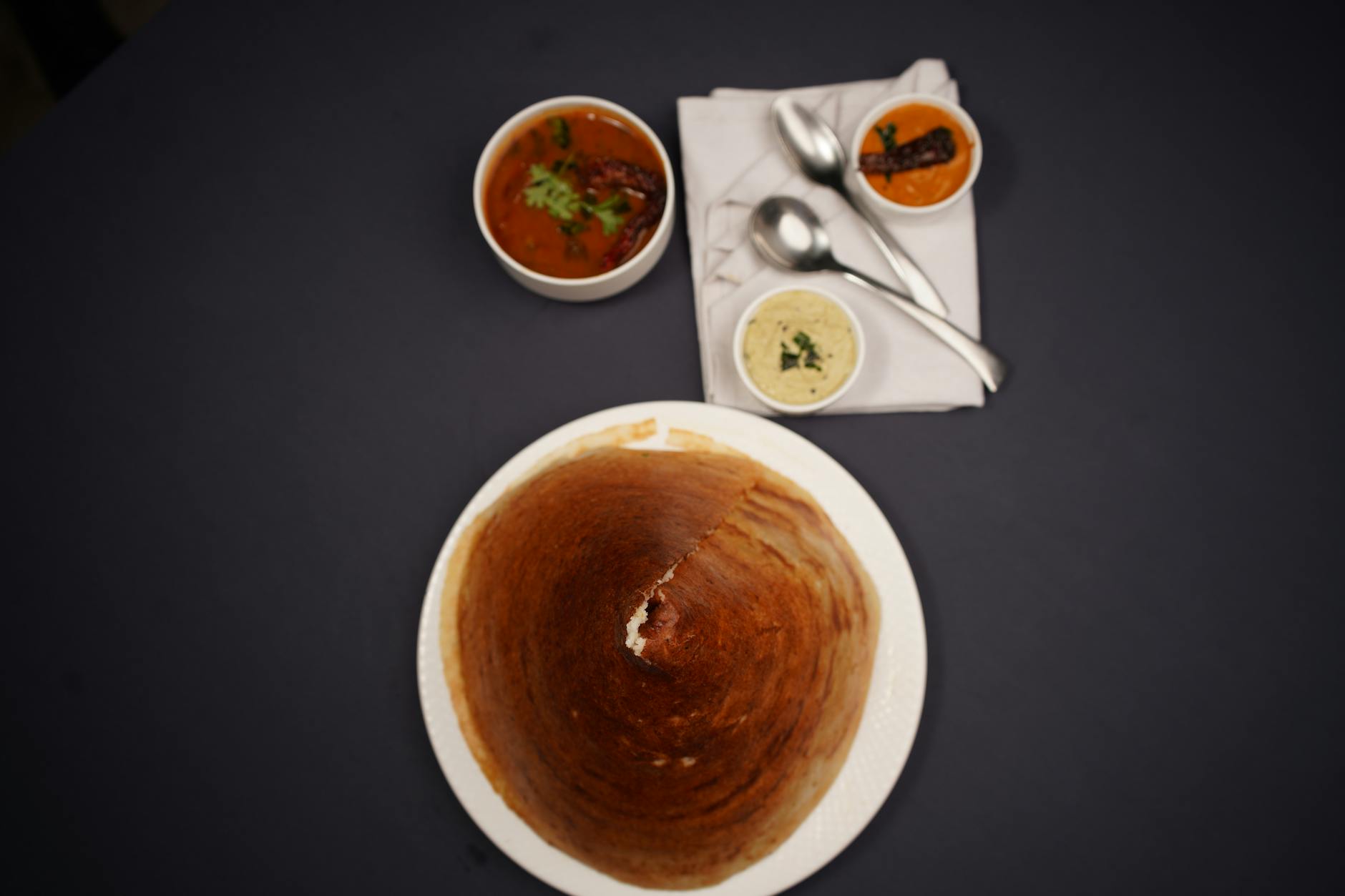
Dosa: South India’s Crispy Gluten-Free Crepe Guide

Dosa: South India’s Crispy, Naturally Gluten-Free Fermented Rice Crepe
If you’ve never experienced the satisfying crunch of a perfectly crispy dosa, you’re missing one of South India’s greatest culinary gifts to the world. This naturally gluten-free fermented rice crepe has quietly become a global breakfast phenomenon, beloved by everyone from health-conscious home cooks to Michelin-starred chefs. What makes dosa truly remarkable isn’t just its addictive texture or versatility—it’s that this 2,000-year-old staple manages to be simultaneously ancient and impossibly trendy.
What Is Dosa? The Foundation of South Indian Breakfast Culture
At its core, dosa is deceptively simple: a thin, crispy crepe made from fermented rice and lentil batter. But don’t let that simplicity fool you. The fermentation process—typically 8-12 hours—unlocks digestibility and creates complex flavors that distinguish dosa from any other pancake or crepe you’ve encountered. This fermentation naturally removes gluten concerns while adding beneficial probiotics, making dosa a surprisingly sophisticated nutritional choice hidden beneath its humble appearance.
The dish likely originated in Karnataka during the 10th century, though its exact origins remain debated among food historians. What’s undeniable is that dosa transcended regional boundaries to become the defining breakfast across Tamil Nadu, Karnataka, Andhra Pradesh, and Telangana. Today, you’ll find dosa stands—called dosa restaurants or mess halls—on virtually every street corner throughout South India, each perfecting their own technique across generations.
Beyond Masala Dosa: Understanding Dosa Varieties
While masala dosa reigns as the most famous variety internationally, the dosa universe is far more expansive and fascinating. Masala dosa, stuffed with spiced potatoes and onions, serves as the gateway dosa for many Western palates. It’s crispy on the outside, soft within, and utterly satisfying with accompanying coconut chutney and sambar.
Paper dosa represents the opposite extreme—tissue-thin, delicate, and almost translucent, requiring incredible skill to execute perfectly. Rava dosa substitutes semolina for rice flour, creating an even crispier texture that shatters between your teeth. Then there’s the indulgent ghee roast dosa, enriched with clarified butter and sometimes cheese; the masala-stuffed cheese dosa gaining traction in modern restaurants; and the humble plain dosa, which showcases pure technique.
Each variation demands different fermentation times, batter consistency, and cooking temperatures. Serious dosa enthusiasts recognize these distinctions the way wine connoisseurs distinguish between vintages.
The Fermentation Magic: Why Dosa Is Naturally Gluten-Free
The fermentation process is where dosa’s health credentials shine. Rice and urad dal (black gram lentils) are soaked, ground wet, and left to ferment—a process that breaks down phytic acid, increases nutrient bioavailability, and naturally produces lactic acid bacteria. This fermentation doesn’t just improve digestion; it creates the distinctive tangy flavor that separates exceptional dosa from mediocre versions.
Crucially, this fermented rice and lentil combination contains zero gluten, making dosa an ideal option for coeliac disease sufferers or anyone avoiding gluten. Unlike many gluten-free alternatives that taste compromised or require specialized ingredients, dosa simply is gluten-free by nature—no modification needed. It’s also high in protein, relatively low in calories, and sustained by resistant starch that feeds beneficial gut bacteria.
Making Dosa at Home: Essential Tips for Success
Attempting dosa at home needn’t intimidate. Start with quality urad dal and parboiled rice in a 1:4 ratio. Soak overnight, grind wet with minimal water until you achieve a light, airy batter with the consistency of thin pancake batter. The fermentation happens naturally—simply leave covered at room temperature for 8-12 hours.
Your dosa tawa (griddle) temperature is critical; too hot and your dosa burns before crisping, too cool and it steams rather than crisps. Practice the traditional spreading technique: pouring batter in the center and using the back of a ladle to spiral outward. Drizzle clarified butter or oil around the edges for that golden crispness.
Conclusion: Join the Global Dosa Revolution
Whether you’re drawn to dosa for its gluten-free credentials, its probiotic benefits, or simply because it tastes incredible, this South Indian fermented rice crepe deserves a permanent place in your breakfast rotation. From the crispy masala dosa at your local Indian restaurant to the delicate paper dosa you’ll master at home, dosa represents everything beautiful about global food culture: ancient wisdom meeting modern nutritional science, cultural authenticity meeting universal appeal. Your next culinary adventure awaits—at a dosa stand near you.