Tokyo
Tokyo Bangkok
 Seoul
Seoul Singapore
Steamed Spare Ribs: Chinese Technique & Regional Styles

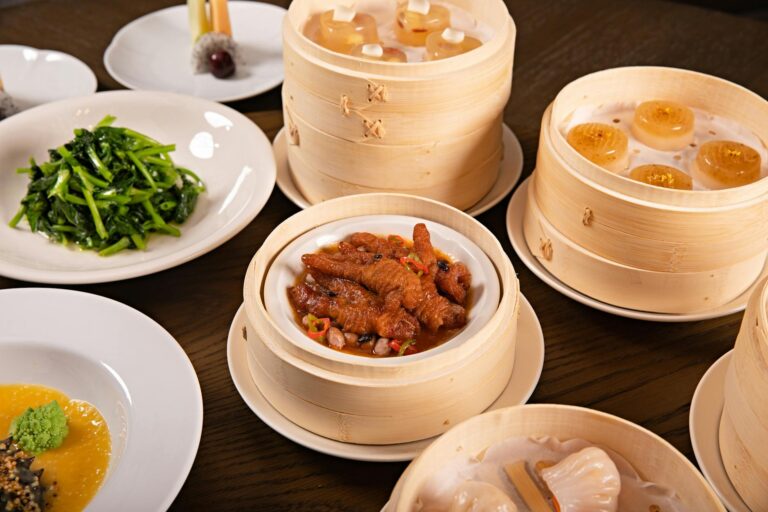
You’ve seen steamed spare ribs on every dim sum menu, but here’s the thing—they’re not just another dish. These pork ribs, steamed with fermented black beans, garlic, and ginger, are a crash course in Chinese home cooking. Get them right, and you’ll learn how to balance salt, umami, and steam like a pro. Mess them up, and you’ll know exactly why.
Why Steamed Spare Ribs Are Smarter Than They Look
The ingredients list is short: pork ribs (cut into 2-inch pieces), fermented black beans (douchi—skip these and you’re done), garlic, ginger, soy sauce, sesame oil, cornstarch. That’s it. The cornstarch is the secret. It soaks up the pork’s juices, turning them into a light, clingy sauce instead of a sad puddle. Bad ribs are soggy or bland. Good ones? Pure pork intensity with a salty, savory punch that demands rice.
Regional twists come down to one question: what hits the ribs after steaming. Cantonese style sticks to the basics. Sichuan throws in chili oil and numbing peppercorns. Shanghai adds a hint of sugar, sometimes dark soy. Hunan goes for fresh or fermented chilies. The ribs and black beans stay the same. The attitude doesn’t.
Where to Eat Them (and What to Ask For)
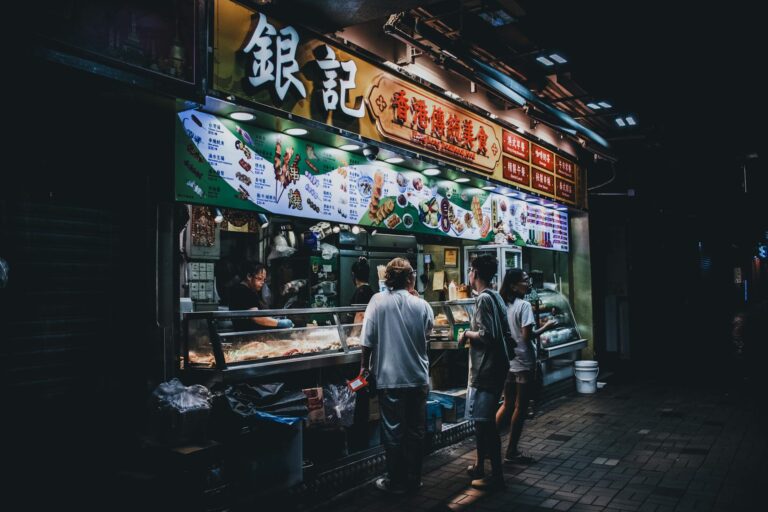
In Hong Kong, look for 豉汁蒸排骨 (chi juice steamed spare ribs) at dim sum spots with carts—if they’re room temp, walk away. Luk Yu Tea House in Central nails it, but you’re paying for the address. For the real deal, hit a Mong Kok dai pai dong. Point, pay under $3, eat ribs that taste like someone’s grandma made them.
Chengdu’s Chen Mapo Tofu spin-offs serve a version drenched in tongue-numbing chili oil—that’s the point. Shanghai? Din Tai Fung for reliability, or any xiaolongbao spot with weekend dim sum carts. Singapore’s Lao Ban Soya Beancurd in Chinatown adds preserved plums for a tangy twist.
Cooking at home? Get pre-cut ribs from a Chinese butcher (supermarket cuts are too thick). Prep takes 15 minutes, steaming 12. All you need is a bamboo or metal steamer. No fancy gear.
The Real Lesson Hidden in These Ribs
Western cooks see steaming as the healthy option. Chinese cooks treat it like a science. You’re learning how much liquid pork releases, how salt moves in steam, how to build flavor without browning. These ribs won’t wow guests—they’re Tuesday night food. But they’re why Chinese home cooking tastes different. Years of practice. No tasting as you go.
Here’s the truth: your first five attempts will disappoint. Tough or mushy ribs. Sauce too salty or weak. Normal. By try eight, you’ll feel pork differently—how heat changes it, how salt works in steam, why black beans are magic. By try 15? You’ll outdo most restaurants.
Grab fermented black beans today ($2-4 at any Asian grocery). Make these ribs this weekend. Taste yours, then try them at dim sum. The difference between careful and casual cooking? Suddenly obvious.