Tokyo
Tokyo Bangkok
 Seoul
Seoul Singapore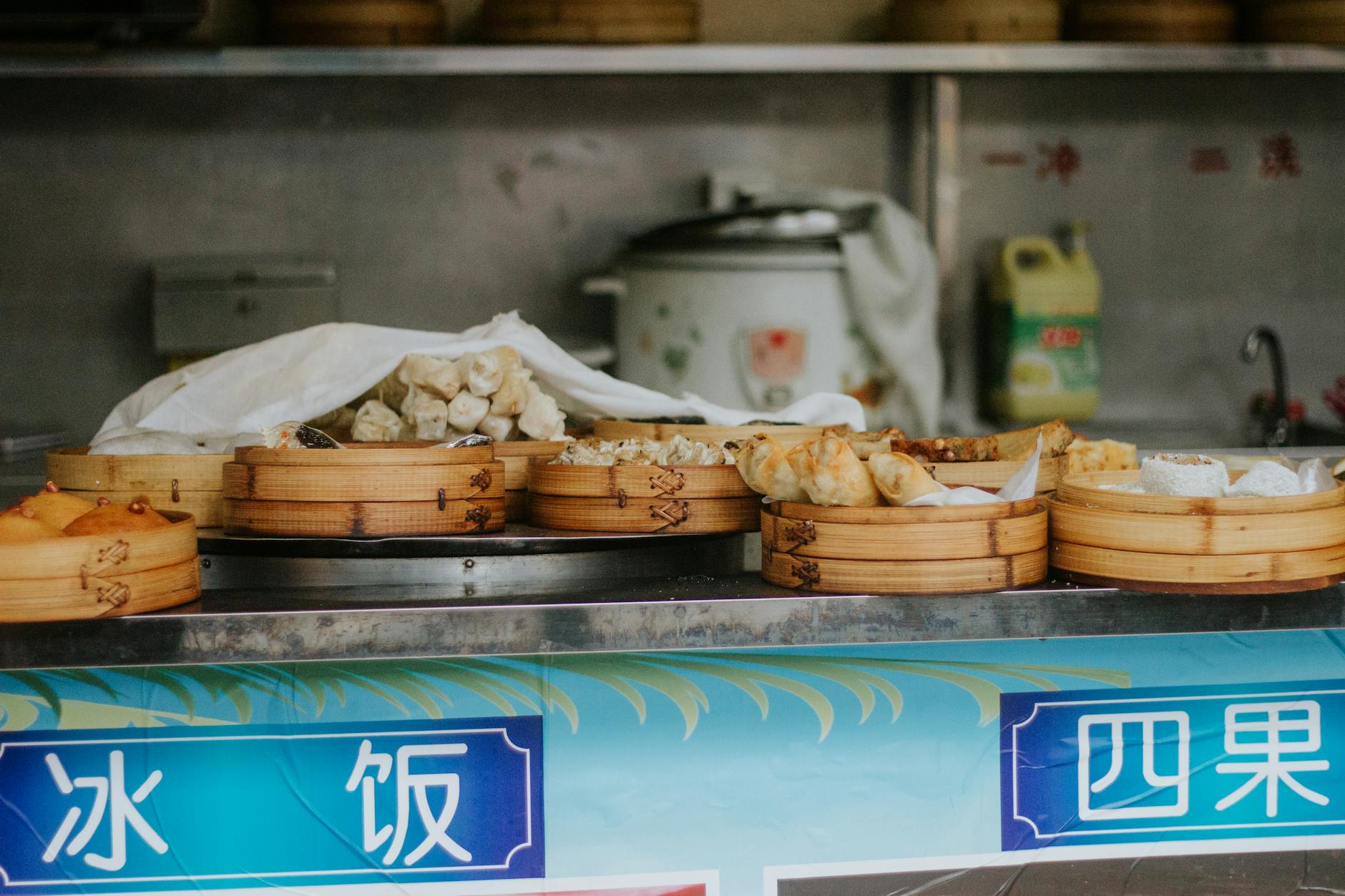
Dim Sum: Origins, Variations, and Where to Eat It

Dim sum isn’t just food—it’s a morning ritual. These bite-sized Chinese dishes pair perfectly with tea, served from dawn until early afternoon. Think dumplings, buns, rolls, and more, either ordered from a menu or grabbed from rolling carts. It’s as much about catching up with friends as filling your stomach. What sets it apart? Centuries of tradition, precise cooking methods, and unspoken rules that regulars know by heart.
Origins and History
Dim sum started as roadside fuel. Back in Tang Dynasty China (618-907 CE), Silk Road merchants needed quick snacks between tea breaks. Guangzhou tea houses obliged. By the 900s, this casual habit had become a full-blown food culture. The name says it all—”dim sum” comes from Cantonese words meaning “touch the heart,” capturing both the small portions and how they make you feel.
The Qing Dynasty turned dim sum into an art form. As Guangzhou boomed with trade, tea houses became social hubs where chefs one-upped each other with creative small plates. Fast forward to 1950s Hong Kong: the game-changing addition of rolling carts made dim sum interactive. After 1997, Hong Kong went wild with new flavors while Guangzhou stuck to tradition.
Regional Variations
Guangzhou is where purists go. Here, har gow dumplings must have exactly three pleats. Siu mai never gets fancy toppings. Buns walk the tightrope between sweet and savory. It’s all about perfecting classics—some chefs spend decades mastering single dishes.
Hong Kong plays by different rules. The city throws tradition out the window with scallop-stuffed dumplings and truffle-scented buns. Meals stretch all day instead of ending at noon. Chefs treat dim sum like a living language, constantly inventing new words.
Singapore does both. Chinese immigrants brought classic recipes, then locals tweaked them. Expect extra spice in dipping sauces and sweeter rice dishes. The year-round availability means no seasonal surprises.
What Makes Great Dim Sum
Three things matter most: fresh ingredients, perfect wrappers, and restraint. Shrimp for har gow should glisten—frozen ones turn rubbery. Pork for siu mai gets ground right before cooking to stay bright and flavorful.
Wrappers make or break dim sum. Har gow skins should be thin enough to see through but strong enough to hold together. Siu mai wrappers need just the right chew. Too thick and they’re doughy; too thin and they fall apart.
Here’s a secret: less filling often means better quality. Overstuffed dumplings usually hide mediocre ingredients. The best har gow lets the delicate wrapper shine, with just enough filling to taste.
Steaming is a science. High heat. Bamboo baskets. Exact timing. Eight to twelve minutes is the sweet spot—any longer turns treasures into mush.
Where to Try Dim Sum: City by City
Hong Kong: Hit Tim Ho Wan for Michelin-starred bites or Jing Fong for the full cart experience. Locals swear by Mong Kok spots where tourists rarely venture. Want something new? City Hall restaurants put modern spins on classics.
Guangzhou: Xiguan’s Liwan District keeps traditions alive. Bing Sheng Hui hasn’t changed their recipes since Eisenhower was president. Tianhe District mixes old and new. Pro tip: come before 10 AM for the good stuff.
Singapore: Chinatown’s your best bet, from cheap hawker stalls to fancy hotel restaurants. Unlike seasonal mainland spots, Singapore serves consistent dim sum year-round.
Price Guide
Prices tell you what’s inside. Guangzhou’s casual spots charge 5-15 RMB per dish (about $0.70-2.10), while fancy places go up to 40 RMB. Hong Kong runs 18-35 HKD ($2.30-4.50), with luxury versions over 50 HKD. Singapore matches Hong Kong at 4-8 SGD ($3-6) per item.
Most places charge per plate, not by time. Plan to spend 80-150 RMB in Guangzhou, 150-250 HKD in Hong Kong, or 20-35 SGD in Singapore for a proper meal.
Dim sum isn’t just eating—it’s a way of life. The clatter of carts, the steam rising from bamboo baskets, the shared plates between friends. That’s the real magic.