Tokyo
Tokyo Bangkok
 Seoul
Seoul Singapore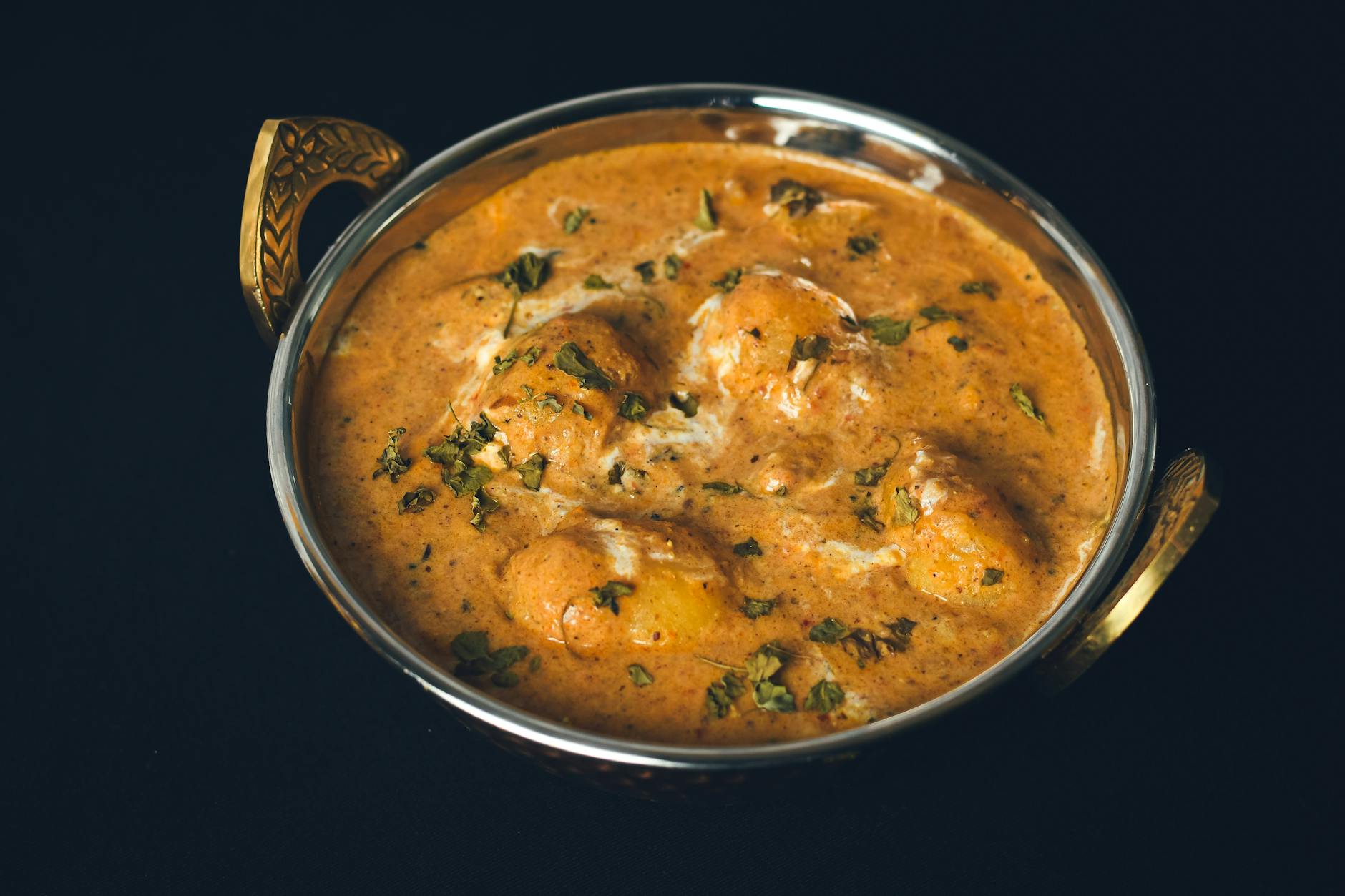
Gaeng Daeng: The Thai Red Curry That Deserves Your Attention
Gaeng Daeng blows your average green curry out of the water, yet most people outside Thailand have never heard of it. This isn’t foodie gatekeeping—it’s just reality. Learn this dish, and you’ll get Thai cuisine on a deeper level.
Red Curry Isn’t What You Think It Is
Gaeng Daeng—”red curry” in Thai—isn’t some toned-down version of green curry. It’s a completely different beast. Dried red chilies replace fresh green ones, creating a richer, slower burn. The heat builds. The flavors deepen. It’s not aggressive, but don’t mistake that for weakness. This curry has serious muscle.
The paste mixes dried red chilies, garlic, shallots, galangal, lemongrass, and shrimp paste—same core ingredients as green curry, but the dried chilies work magic. They add smokiness. They need time to unfold. A lazy gaeng daeng tastes like coconut milk with chili flakes. A great one? Like the cook actually cared.
Two things separate good from great: fresh-made paste (never from a jar) and patience. Most restaurants cut corners. They rush. Real gaeng daeng won’t be rushed.
Where to Actually Find It
Skip the trendy spots. Look for Thai restaurants where they grind their own paste. In London, Farang’s duck gaeng daeng tastes like someone’s grandma approved it—no fuss, just depth. Sydney’s Longrain does a solid beef version (ask for it; it’s off-menu sometimes). New York’s Lilia tries, but your best bet? Find a Thai neighborhood. Queens’ Astoria. LA’s Thai Town. Anywhere with Thai families eating there nightly. Those places cook for people who know.
Pro tip: Ask if they make paste in-house. If they hedge? Walk away. The paste is everything.
What Gaeng Daeng Tells You About Thai Food
Westerners get Thai food all wrong. It’s not about assaulting your taste buds. Gaeng Daeng shows how it really works—balanced, thoughtful, meant to share. Red curry plays nice with other dishes. It’s team player, not diva.
Eat it right: over jasmine rice, with grilled fish or stir-fried greens, maybe some spicy relish. That’s how Thais do it at home. No theatrics. Just good food.
And here’s the thing about spice: it’s not the whole show. Real gaeng daeng balances heat with coconut cream, fish sauce funk, lime zest. Taste that, and chain-restaurant curries will never cut it again.
What You Should Do Right Now
Google “Thai restaurant near me.” Call the one with Thai names on the menu. Ask if they do gaeng daeng. Order it with chicken or beef, medium spice (so you can actually taste it), and rice. Done. You’ll get it instantly.