Tokyo
Tokyo Bangkok
 Seoul
Seoul Singapore
Steamed Spare Ribs: Master This Chinese Kitchen Staple

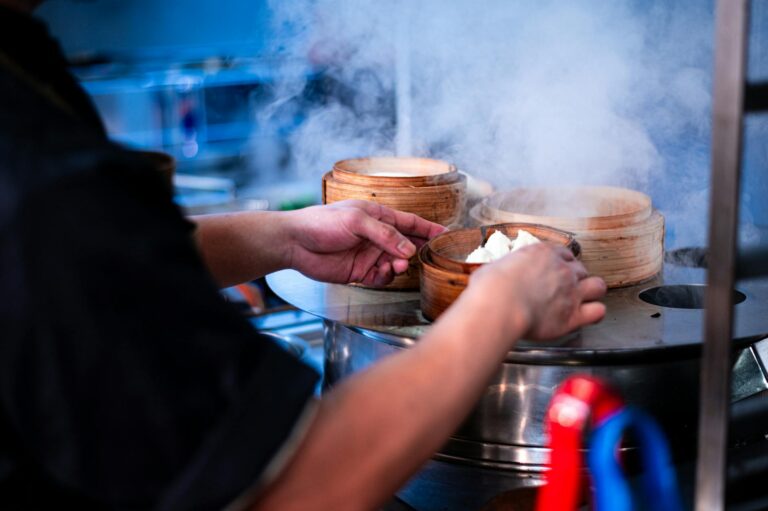
Your Cantonese neighbor might tell you the secret to perfect steamed ribs isn’t a secret at all—just patience and a good bamboo steamer. Watch closely as the meat pulls away from the bone after 25 minutes, no fancy tricks required. That’s the beauty of this dish. It’s straightforward, but every step counts.
Why Steamed Ribs Own the Chinese Dinner Table
From Hong Kong dim sum spots to Sydney storefronts, pai gwat (steamed spare ribs) are everywhere for good reason. This isn’t fussy cooking. Steam gently coaxes flavor into the meat while keeping it tender—no heavy frying or long braises needed. The ribs come out juicy every time, with a texture you can’t fake. Home cooks love it because it’s reliable: prep ahead, steam last-minute, and dinner’s ready. For generations, Cantonese kitchens have relied on this method to turn cheap cuts into something special without hours of work.
Regional Styles: From Guangdong to Shanghai
Cantonese ribs keep it simple—fermented black beans, garlic, ginger, and just enough soy sauce to season. Shanghai versions add a touch of sugar for depth, while Fujian cooks might toss in preserved plum for tang. But no matter the region, the goal’s the same: let the ribs shine. Too much sauce drowns them. Start with the Cantonese way—it’s the easiest to master. Once you’ve got that down, play with other styles.
The Technique That Actually Matters
Three things make or break your ribs: cut them small (2-inch pieces), dry them thoroughly before marinating, and keep your steamer’s water level steady. Skip the drying step, and you’ll end up with soggy meat. Mix the ribs with black beans, garlic, ginger, soy, and sesame oil, then let them sit 15-30 minutes. Arrange them in a single layer on a plate that fits your steamer. Bamboo works best, but metal’s fine—just watch the water. Steam at a full boil for 22-28 minutes. The ribs should be tender but still hold together. Keep a kettle handy to refill the steamer if needed. Steam does all the heavy lifting here.
Master this, and you’ll see why it’s a classic. No gimmicks, just good ingredients and a method that works. Try it once, and you’ll get why it’s stuck around so long.