Tokyo
Tokyo Bangkok
 Seoul
Seoul Singapore
Vietnamese Street Food: The Art of Balance Over Boldness

Most Western versions of Vietnamese street food miss the point. It’s not about fiery heat or overpowering spice—it’s about balance, restraint, and an almost fanatical commitment to freshness. Wander Hanoi’s Old Quarter or Ho Chi Minh City’s District 1, and you’ll see vendors crafting dishes with surgical precision, not just tossing ingredients together.
The Formula Behind Every Bite
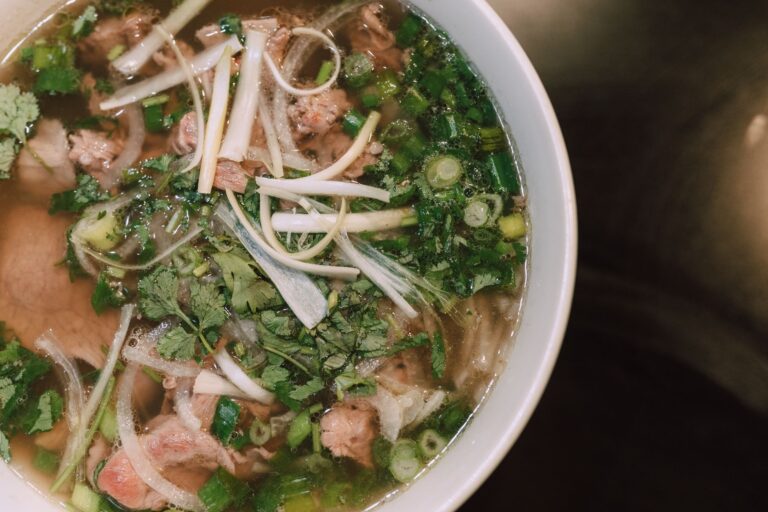
Vietnamese food follows one rule: sweet, sour, salty, and bitter must work in harmony. No exceptions. A real phở broth simmers for 12 hours—beef bones, charred onions, star anise—resulting in depth without heaviness. Then comes the magic: fish sauce (funky but transformative), lime juice, and a heap of fresh herbs. Each part has a role. Lime cuts through richness. Fish sauce grounds it. Basil and mint keep it bright. Skip one, and the whole thing falls apart.
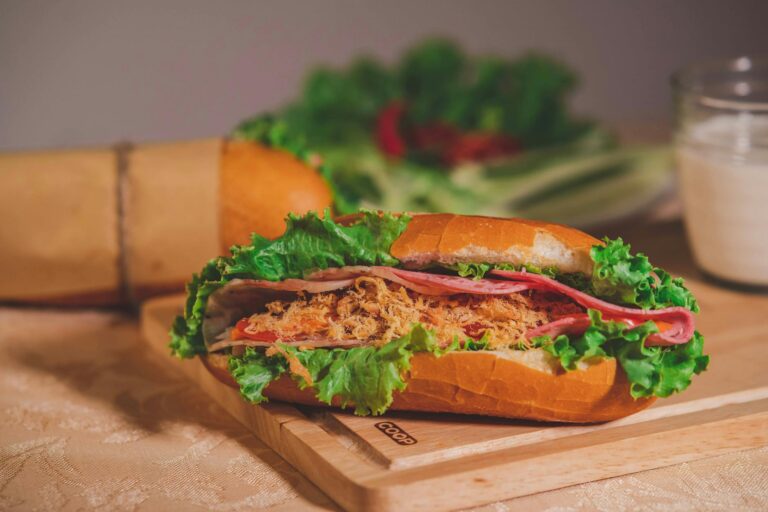
Take a Saigon bánh mì from a street cart—not those overstuffed Instagram monstrosities. The genius is in the ratios: crackly baguette, a smear of pâté, tangy pickled veggies, cilantro, a sliver of jalapeño, just enough mayo. Alone, each piece seems minor. Together? Perfect.
Freshness Isn’t Optional
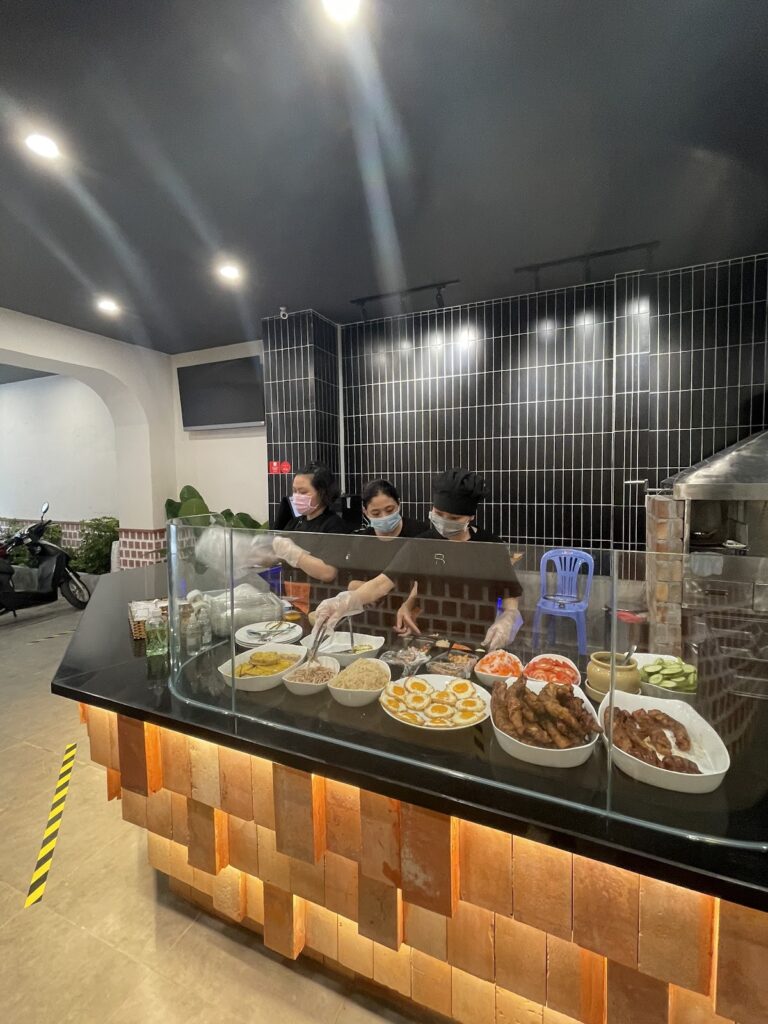
Vietnamese vendors don’t prep ahead. They can’t. Herbs wilt. Vegetables go limp. At a Hanoi gỏi cuốn stand, rice paper rolls get assembled on the spot—shrimp, lettuce, mint, basil—because even 30 minutes changes everything. Cooked shrimp turns rubbery. Herbs lose their punch. This isn’t just tradition; it’s necessity.
That herb plate beside your meal? It’s not decoration. Thai basil brings pepper and licorice. Mint sharpens. Cilantro adds earthiness. Pile them into bún bò Huế, and the soup shifts with every bite. More herbs? Lighter. Fewer? Richer. You’re the chef now.
Why Street Food Wins
In Vietnam, street vendors often outdo restaurants. Limited ingredients mean no room for error. A Hanoi chả cá lá vendor has spent decades perfecting two things: turmeric-to-fish ratio and cooking time. No backups. No second chances. Reputation hinges on getting it right—every single time.
Constraints breed brilliance. When your toolkit is small, every piece matters. Take nước chấm: fish sauce, lime, water, sugar, chilies. Sounds simple. Yet most places botch it—too sweet, too salty. The best versions? Balanced enough to drink straight.
Next time you eat Vietnamese, forget heat. Watch how lime lifts pork belly’s richness. See how herbs slice through grease. This isn’t simplicity—it’s mastery. Proof that less, done right, always beats more.