Tokyo
Tokyo Bangkok
 Seoul
Seoul Singapore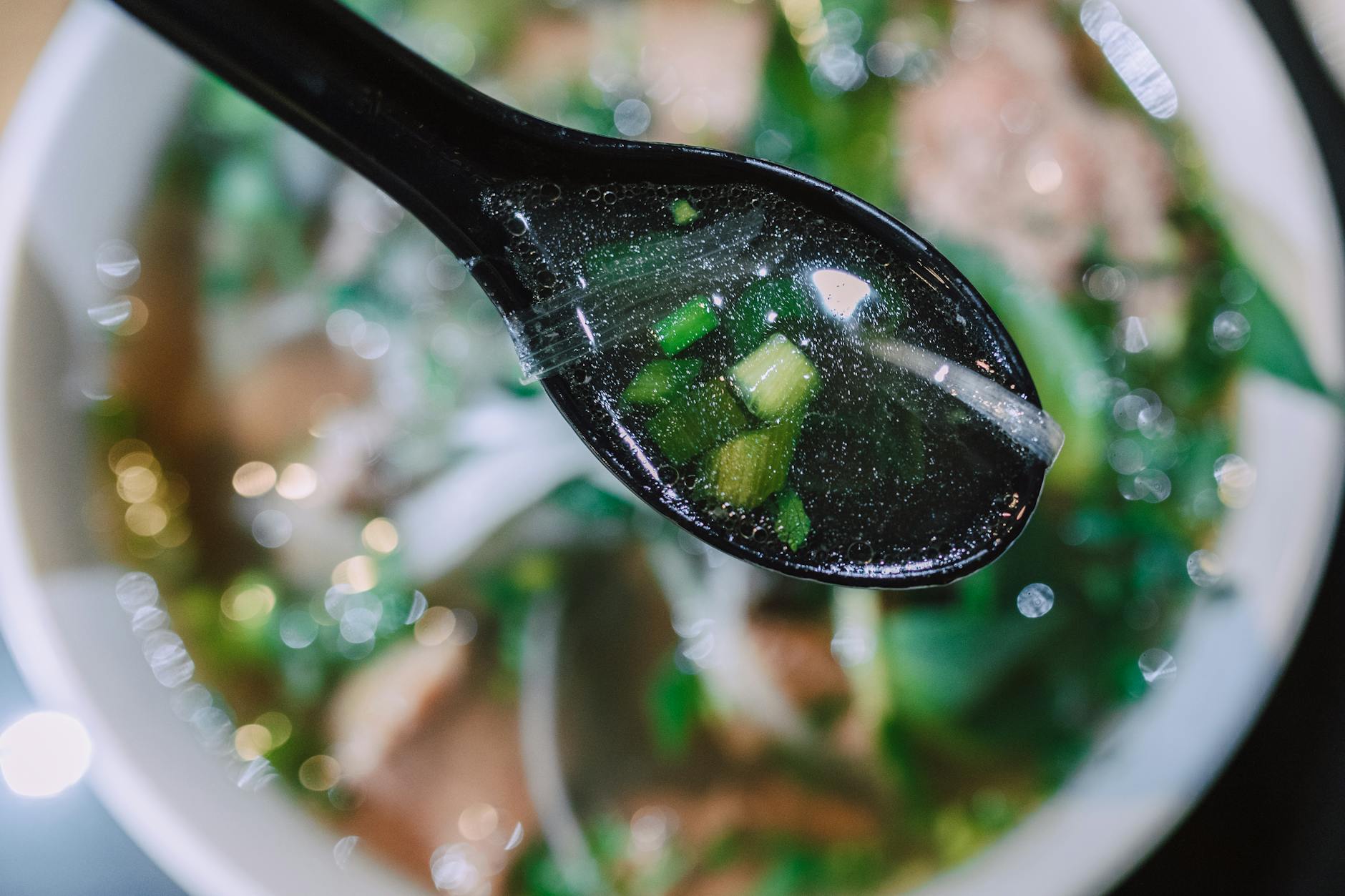
Vietnamese Pho: The Secret to the Perfect Bowl

Vietnamese Pho: Secrets Behind the Perfect Bowl
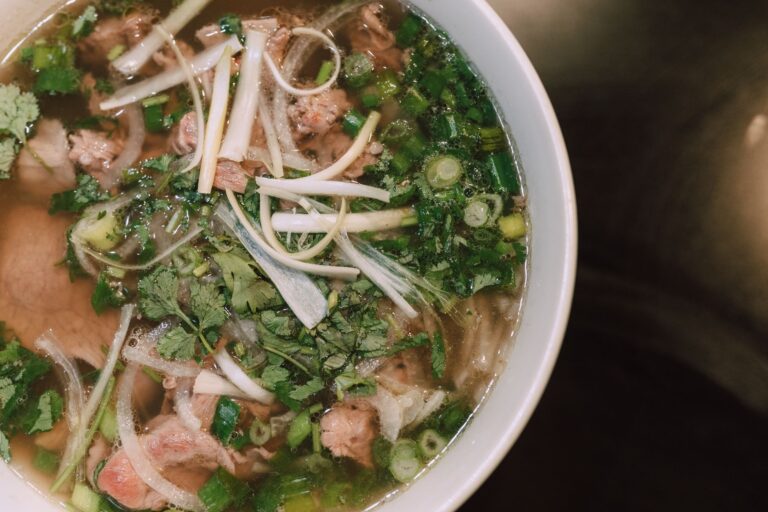
There’s something almost mystical about a steaming bowl of pho—the aromatic broth that seems to whisper stories of Hanoi street stalls, the silky rice noodles that melt on your tongue, and the symphony of fresh herbs that elevate each spoonful to something transcendent. From humble origins in northern Vietnam to becoming a global sensation adorning menus from New York to Sydney, pho represents far more than just a bowl of soup; it’s a cultural ambassador that carries centuries of Vietnamese tradition in every slurp.
The Rich History: From Hanoi Streets to Your Table
Pho’s journey began in early 20th-century Hanoi, born from the fusion of Vietnamese culinary traditions and French colonial influence. The French introduced beef to Vietnamese cuisine, and local vendors ingeniously transformed it into something distinctly their own—a slow-simmered broth infused with indigenous spices like star anise, cinnamon, and coriander. What emerged was pho, a dish that would become Vietnam’s national treasure.
The original pho bo (beef pho) became the foundation for countless regional variations. Northern Vietnamese pho, from Hanoi, remains minimalist and pure, while southern versions embrace richer broths and sweeter flavors. This adaptability explains pho’s remarkable ability to conquer international palates without losing its authentic soul.
The Broth: Where Magic Happens
Creating the perfect pho broth is an exercise in patience and precision. The foundation requires simmering beef bones—typically marrow bones, knuckle bones, and brisket—for a minimum of 12 to 24 hours. This isn’t rushed cooking; it’s meditation in motion.
The aromatic backbone comes from charred onions and ginger, which add depth and subtle sweetness. Then come the spices: star anise provides licorice notes, cinnamon brings warmth, coriander seeds contribute earthiness, and cloves add complexity. Rock sugar balances the flavors, while fish sauce delivers umami—that elusive fifth taste that makes you wonder why everything tastes so good.
Pro tip: The secret many authentic pho vendors guard jealously is the quality of their spices and the ratio they use. Whole spices toasted just before brewing unlock volatile oils that pre-ground alternatives simply cannot deliver. Additionally, the water quality matters more than most home cooks realize; filtered or mineral-rich water produces noticeably superior broth compared to heavily chlorinated tap water.
The Perfect Execution: Noodles, Protein, and Garnish
While broth forms pho’s soul, execution determines its success. Fresh rice noodles are essential—the slightly chewy texture of quality bánh phở cannot be replicated by dried alternatives. Protein choices vary: pho bo tai (rare beef) cooks gently in the broth’s residual heat, while pho bo nam (well-done brisket) requires tender, slow-cooked meat that melts in your mouth.
The garnish table represents pho’s democratic spirit. Fresh Thai basil, cilantro, mint, and sawtooth coriander aren’t mere decorations—they’re integral to the experience. Lime juice brightens the palate, chilies add heat, and bean sprouts provide crunch. This is where diners become co-creators, customizing their bowl to personal preference.
Temperature is crucial: the broth must be rolling hot when noodles hit the bowl. This ensures beef strips cook perfectly while maintaining their tender texture and the noodles absorb flavor efficiently.
From Street Vendor to Fine Dining: Pho’s Global Evolution
Pho’s international success stems from its inherent balance and approachability. It’s simultaneously light and satisfying, exotic yet comforting. Vietnamese communities brought pho to Western markets following the Vietnam War, establishing it first in refugee communities before mainstream restaurants recognized its potential.
Today’s pho landscape spans from authentic hole-in-the-wall joints maintaining 40-year-old family recipes to Michelin-recognized restaurants deconstructing and reimagining the dish. This democratization has introduced millions to Vietnamese cuisine while occasionally sparking spirited debates about authenticity among pho purists.
Your Path to Pho Perfection
Whether you’re hunting for authentic pho in Vietnam’s bustling streets or attempting homemade recreation in your kitchen, understanding these principles transforms the experience. Respect the broth-making process, source quality ingredients, and embrace the interactive garnish tradition. Pho isn’t merely eaten—it’s experienced, appreciated, and shared, carrying forward a culinary legacy that deserves celebration.