Tokyo
Tokyo Bangkok
 Seoul
Seoul Singapore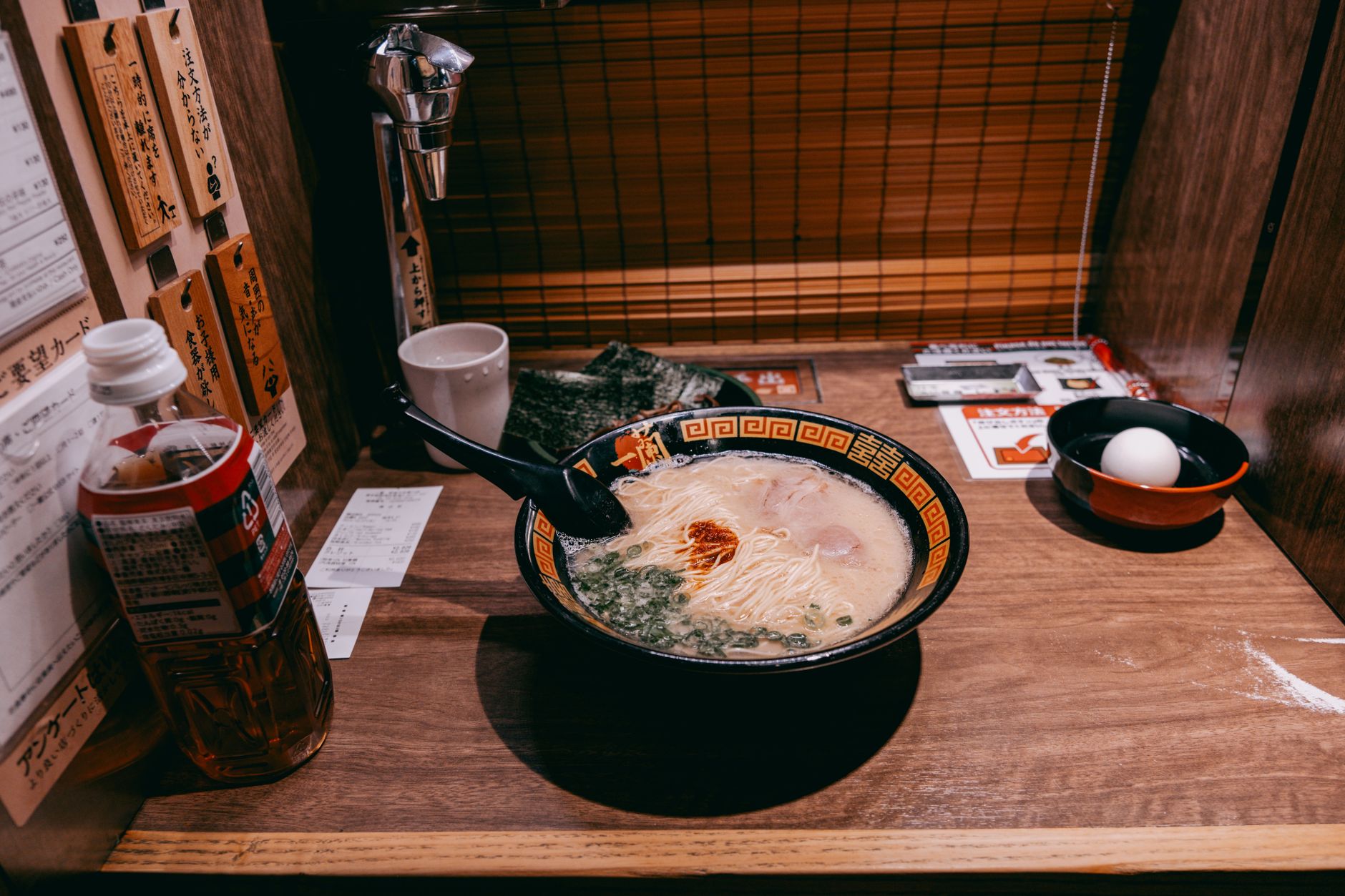
Pho vs Ramen: Beef Broth vs Pork Bone Compared
Three days in Hanoi and craving real pho? Every guidebook pushes the same overcrowded spots. Or maybe you’re in Tokyo, staring at a ramen menu, wondering if tonkotsu justifies that insane wait. Here’s the thing: these aren’t just noodle soups. Their broths, cooking methods, and flavors couldn’t be more different—once you know what to look for.
Beef Pho Broth Takes 12-24 Hours; Pork Bone Ramen Takes 18-48
Pho begins with beef bones—knuckles, legs, marrow—simmered gently with charred onion and ginger for half a day or more. The broth stays clear because beef releases collagen slowly. A great pho tastes clean: bone flavor first, then whispers of star anise and cinnamon. It’s not about heaviness. In Hanoi or Ho Chi Minh City, the best bowls taste timeless—like they’ve been made the same way for decades.
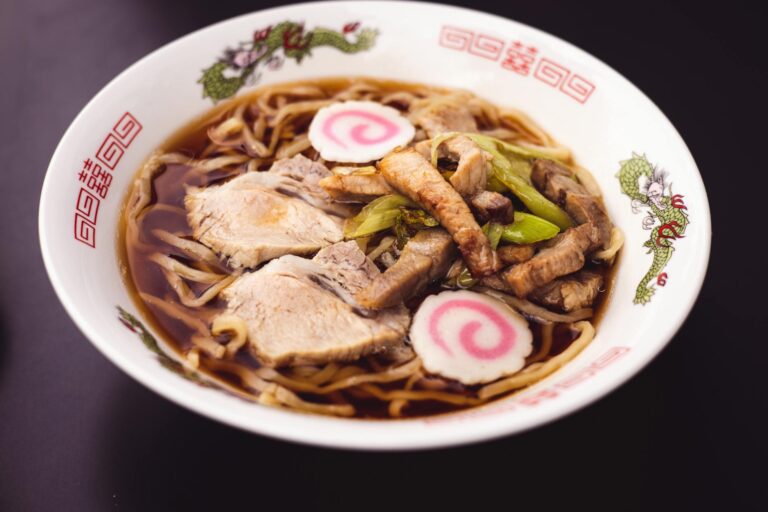
Tonkotsu ramen? Total opposite. Pork neck and femur bones get boiled violently for up to two days. The broth turns creamy white from all the fat and gelatin. Then comes the tare—soy, miso, or salt—plus garlic oil or chili paste. This isn’t subtle. It’s a flavor bomb. Fukuoka’s best shops make it clear: ramen broth isn’t a foundation. It’s a canvas for layering.
Pho lets you taste the broth naked. Ramen drowns you in it.
Where to Actually Eat These Soups (Not Tourist Traps)
In Hanoi, ditch Pho Gia Truyen. Head to Pho Thin on Hang Manh Street instead. Open since 1958, their pho bo tai costs less than $2. The broth? Just bones and spice. No shortcuts. Go early—they sell out by mid-morning. Down in Ho Chi Minh City, Pho Hoa does a richer, sweeter style that’s worth trying.
Tokyo’s Ippudo is fine, but Ichiran in Fukuoka is the real deal. Or find a tiny shop in Shibuya or Shinjuku with a line of locals at lunch. No English menu? Good sign.
The Honest Truth: One Isn’t Better, But Your Palate Determines Which You’ll Prefer
Pho and ramen hit different cravings. Pho is light, herbal, customizable—you tweak it with lime and basil. Ramen arrives fully loaded. The chef decides everything. Love control? Pho’s your jam. Want someone else to handle the flavors? Ramen wins.
Most travelers get disappointed because they expect one and get the other. They’re not interchangeable.
Timing matters too. Pho’s a quick 30-minute meal. Ramen takes longer—the noodles thicken as you eat. Plan accordingly.
Do this: Have pho for breakfast in Vietnam when the broth’s freshest. Save ramen for Japan, where each region does it differently. Don’t try to rank them. Just enjoy each for what it is.