Tokyo
Tokyo Bangkok
 Seoul
Seoul Singapore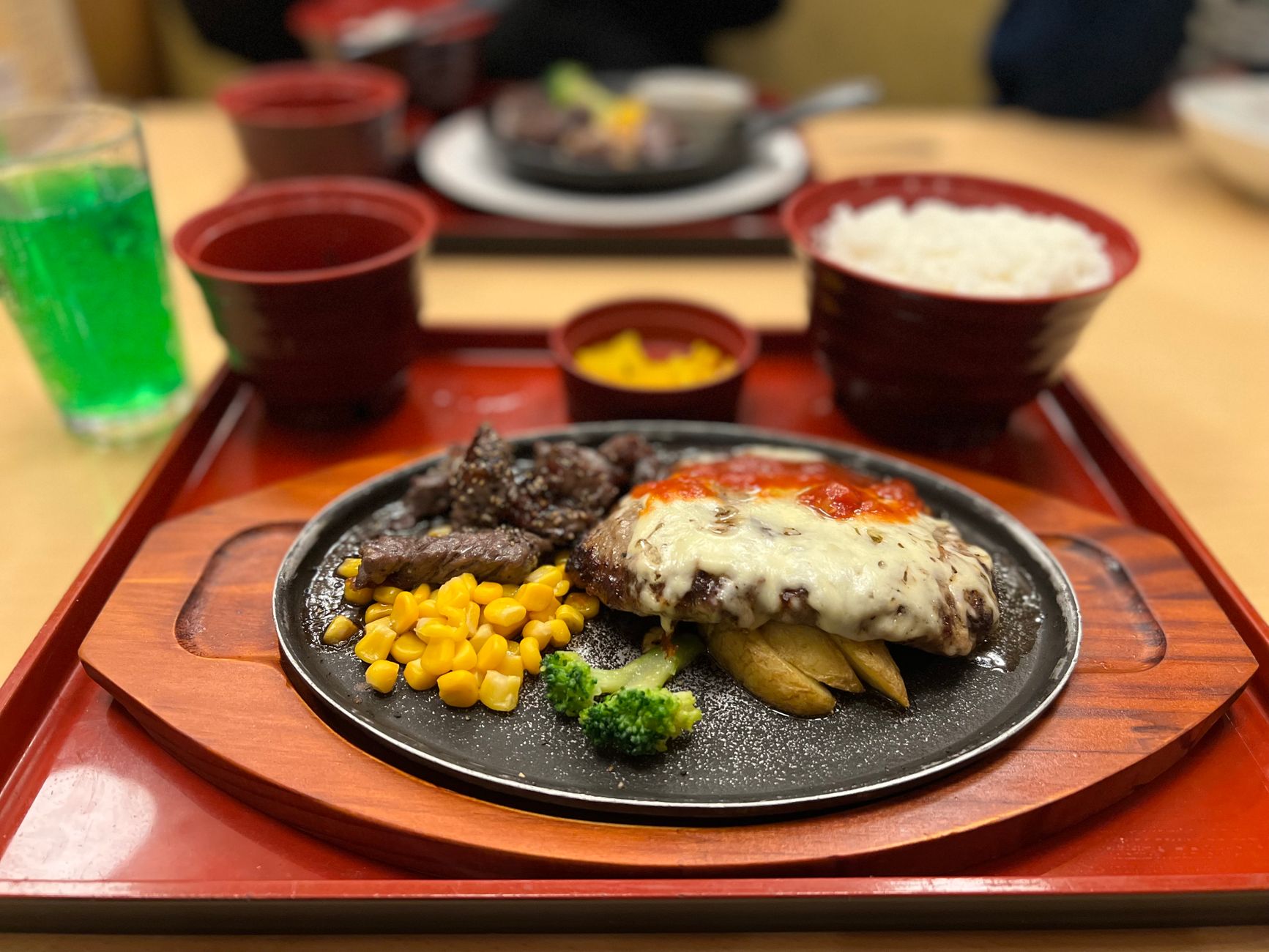
Japanese Menu Decoder: Common Dishes & Terms Explained
A Japanese menu decoder transforms confusion into confidence, turning unfamiliar characters and romanized words into meals worth remembering. The single most useful thing to know: rice dishes (donburi, teishoku) anchor the menu and guarantee a complete, balanced meal.
Essential dishes
| Term | Script | What it is |
|---|---|---|
| Ramen | ラーメン | Wheat noodle soup in broth (shoyu/soy, miso, tonkotsu/pork, or shio/salt based) with toppings like pork, egg, nori |
| Soba | そば | Buckwheat noodles served cold with dipping sauce or hot in broth |
| Udon | うどん | Thick wheat noodles in hot broth or chilled with dipping sauce |
| Donburi | 丼 | Rice bowl with toppings (gyudon=beef, katsudon=pork cutlet, oyakodon=chicken and egg) |
| Teishoku | 定食 | Set meal with rice, miso soup, pickles, and a main protein dish |
| Tempura | 天ぷら | Battered and deep-fried seafood and vegetables, light and crispy |
| Tonkatsu | とんかつ | Breaded, deep-fried pork cutlet served with shredded cabbage and thick sauce |
| Yakitori | 焼き鳥 | Grilled chicken skewers, various cuts from thigh to skin, seasoned with salt or tare sauce |
| Okonomiyaki | お好み焼き | Savory pancake with cabbage, batter, and choice of protein, topped with sauce and mayo |
| Sushi/Sashimi | 寿司/刺身 | Raw fish over rice (sushi) or sliced alone (sashimi) |
| Curry Rice | カレーライス | Japanese-style curry: thick, mildly sweet sauce over rice with meat and vegetables |
| Onigiri | おにぎり | Rice ball wrapped in nori, filled with salmon, tuna, pickled plum, or other ingredients |
Cooking methods & terms
| Term | Meaning |
|---|---|
| Yaki | Grilled or pan-fried |
| Age | Deep-fried |
| Mushimono | Steamed |
| Nimono | Simmered in seasoned broth |
| Itame | Stir-fried |
| Tsukemono | Pickled vegetables |
| Karaage | Marinated and deep-fried (usually chicken) |
| Teriyaki | Grilled or broiled with sweet soy glaze |
How to order
- Japanese food runs mild by default. Spice comes from optional condiments like shichimi (seven-spice) or karashi (hot mustard) on the table.
- Teishoku sets offer better value than ordering rice, soup, and protein separately. Check for lunch-only teishoku deals.
- Portion sizes lean moderate. Add a side dish or extra rice (omori) if hungry.
- At noodle shops, slurping is expected—it cools the noodles and shows appreciation. No need to finish all the broth.
- Say “sumimasen” to call staff (they won’t hover). Point to menu pictures if pronunciation feels shaky.
FAQ
Is Japanese food spicy?
Rarely. Heat isn’t a core element. Wasabi with sushi and occasional chili in ramen provide the only real kick, both optional or easily avoided.
What are the vegetarian options?
Limited but present. Look for kitsune udon (fried tofu), vegetable tempura, inari sushi (sweet tofu pockets), and plain onigiri. Dashi (fish stock) hides in most broths and sauces, so strict vegetarians should ask.
What’s the one must-try dish?
A proper ramen shop—the broth takes hours, the noodles have bite, and toppings balance the bowl. It’s the dish that shows Japanese precision without requiring adventurous eating.
The menu decoder gets a traveler through the door, but which regional specialty will surprise you most?