Tokyo
Tokyo Bangkok
 Seoul
Seoul Singapore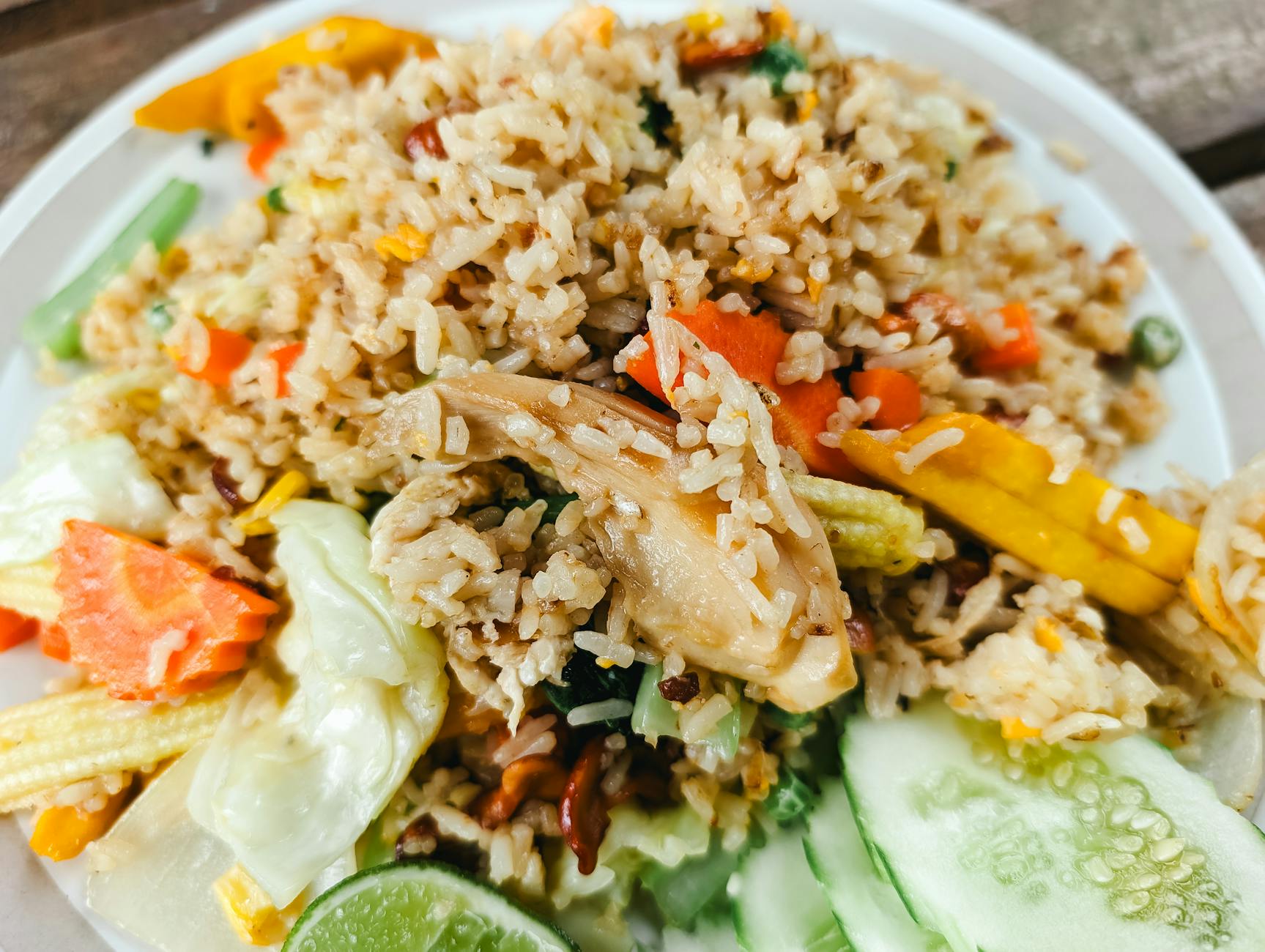
Egg Fried Rice: Master This Chinese Kitchen Staple

The wok hits 400 degrees—you hear the sizzle before seeing it. Cold rice meets scorching oil in a Guangzhou street stall at dawn. The cook’s wrist flicks like a metronome, chopsticks a blur. In 90 seconds, golden grains appear in a paper cone, each one distinct and glistening. This is egg fried rice stripped bare: no frills, just precision so sharp it feels like a dare.
Why Fried Rice Belongs in Your Kitchen
In Chinese homes, egg fried rice isn’t just food—it’s survival. A fridge cleaner. A last-minute meal for surprise guests. A 15-minute fix for hunger emergencies. From Shanghai to Bangkok (where they’ve claimed it as their own) to rural Sichuan, cooks treat fried rice with the same seriousness Westerners give to roast chicken. It needs nothing fancy—just rice, eggs, and fire—but exposes every weakness in your technique. Heat control. Wrist speed. Seasoning instincts. How well you understand starch. Nail this, and you’ve cracked half of wok cooking.
Guangdong’s Fried Rice vs. The Rest
Cantonese fried rice—the global standard—plays it lean. Rice, egg, soy sauce, maybe a whisper of sesame oil. Sometimes lap cheong (Chinese sausage) if you’re feeling flashy. The grains stay separate, each one slick but independent. You’ll find this exact version in Guangzhou’s Liwan District street carts and grandma’s kitchens alike. It works because it refuses to try too hard.
Head north to Chongqing or Sichuan, and the rules change. The rice turns looser, almost creamy from extra oil and eggs scrambled into fine threads. Chili oil and Sichuan peppercorns jump in. Hunan versions go drier—more stir than fry—finished with lard and white pepper that punches your throat. Not better. Not worse. Just built for different tastes.
The Only Technique That Counts
Here’s the deal: your rice must be cold and at least a day old. Fresh rice steams. Day-old rice fries. This isn’t a suggestion.
Heat is next. Your wok needs to be stupid hot—water should vanish on contact. Add smoking oil, then rice in batches. Don’t fuss. Let it sit for 20-30 seconds to brown slightly and break clumps. Then stir. Push rice aside, scramble eggs in the center, fold everything together with soy sauce. Done in five minutes. Hesitate, and you get mush.
Stop thinking of fried rice as leftovers. It’s a drill. Master the rice and the wok, and you’ll out-cook most restaurants. That’s the point.