Tokyo
Tokyo Bangkok
 Seoul
Seoul Singapore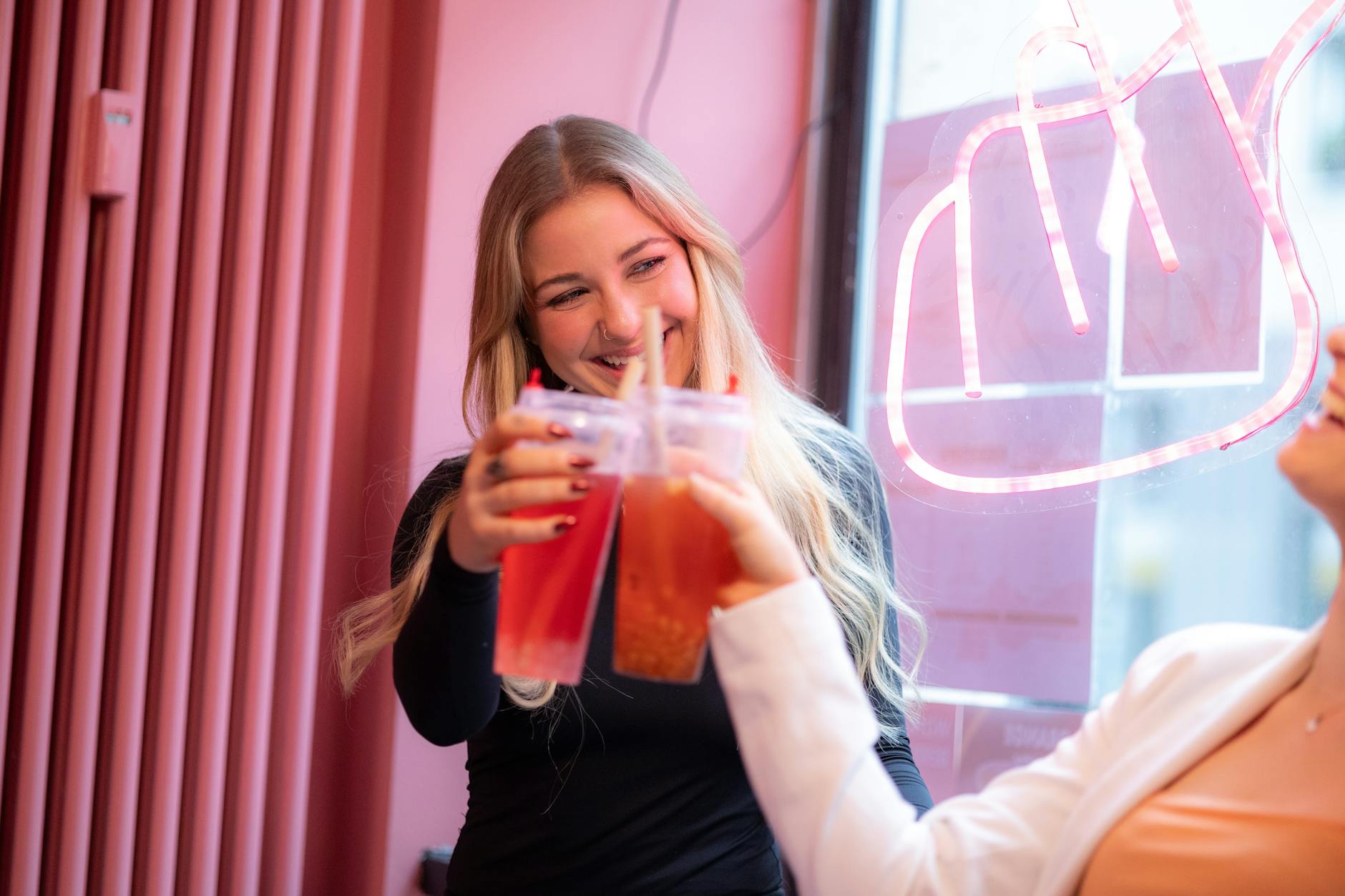
Hong Kong Milk Tea vs Bubble Tea: The Boba Debate Explained

Hong Kong’s cha chaan tengs buzz at dawn with the ritual of making yuanyang—that perfect mix of coffee and milk tea steaming in glass mugs. Meanwhile in Taipei, afternoons mean bubble tea: icy cups with chewy pearls sinking like edible treasure. These drinks aren’t just refreshments. They’re cultural icons sparking debates across Asia. What really separates Hong Kong milk tea from Taiwanese bubble tea? The differences go way beyond flavor.
The Origins: A Tale of Two Tea Cultures
Hong Kong milk tea got its “pantyhose” nickname from the mesh strainer used to brew it. Born in the 1950s, it blends British colonial tea habits with Cantonese traditions. The secret? A mix of strong black teas and evaporated milk—never fresh, which would curdle. The result is smooth, rich, and unmistakably Hong Kong.
Bubble tea is younger. It started in 1980s Taiwan when a Taichung teahouse tossed tapioca pearls into iced tea. What began as a fun experiment blew up into a worldwide craze. Where HK milk tea keeps it simple, bubble tea goes wild: endless flavors, toppings, and colors made for social media.
One’s about quiet elegance. The other’s pure playful energy.
The Techniques: Why Texture Matters
Real Hong Kong milk tea takes work. Brew a blend of Ceylon and Assam teas strong, then pour it repeatedly through that mesh strainer. This isn’t just for show—it aerates the tea, smoothing out bitterness and creating that velvety sip. Add hot evaporated milk fast, then pour back and forth between containers. Done right, it’s creamy without a drop of cream.
Bubble tea’s simpler but still precise. Brew tea strong, chill it, mix with milk or flavorings. The real test? Cooking those pearls. Too short and they’re hard; too long and they turn to glue. Perfect boba should bounce when you bite.
The Taste Test: What Sets Them Apart
Hong Kong milk tea is all about balance—malty, lightly sweet, with a silkiness that lingers. It’s made for slow sipping, maybe with a pineapple bun. No frills, just depth.
Bubble tea is a party in a cup. Sweet, cold, with chewy pearls that add texture. Options range from classic milk tea to wild fruit mixes. Every sip’s a surprise.
Making Them at Home: A Beginner’s Guide
For HK milk tea: Mix Ceylon and Assam teas (60/40), brew strong, and strain multiple times. Add hot evaporated milk (1:3 ratio), then pour between cups to mix. Serve steaming.
For bubble tea: Steep black tea, chill it. Boil pearls till soft (8-10 mins), ice-shock them. Combine tea, milk, sweetener, ice, and pearls. Wide straw mandatory.
The Verdict
This isn’t a competition. Hong Kong milk tea is your quiet morning ritual. Bubble tea’s your afternoon adventure. Try both. Pick a favorite. Or don’t—there’s room for two in any tea lover’s life.