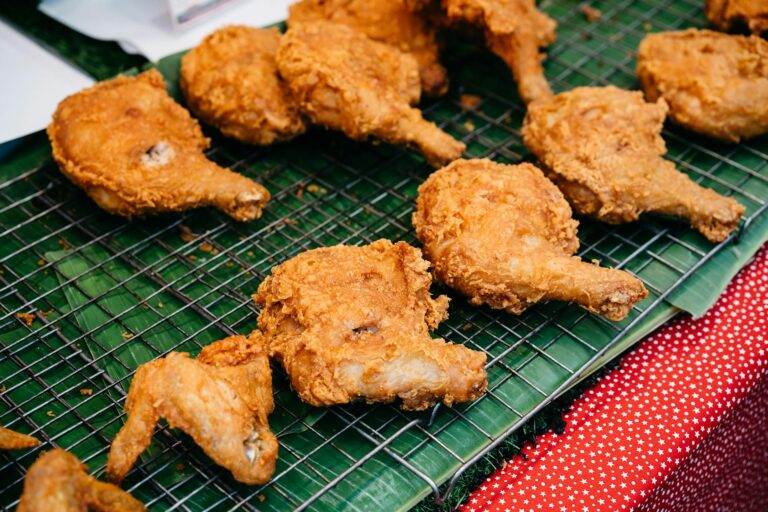
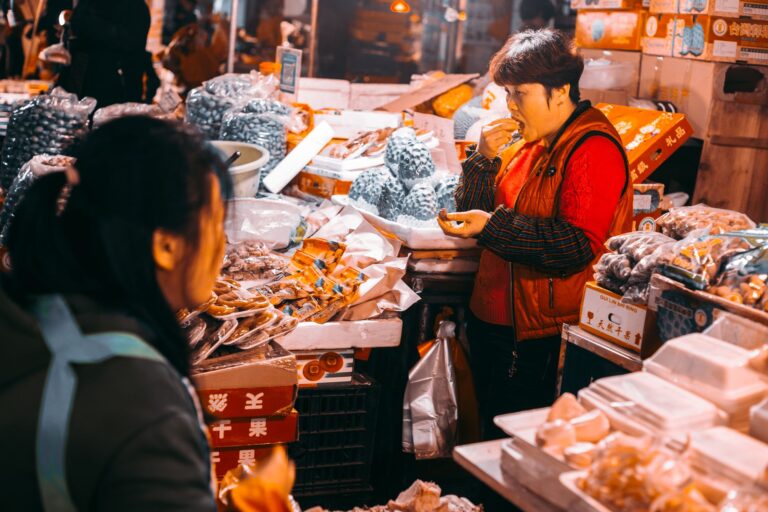
Tokyo
Tokyo Bangkok
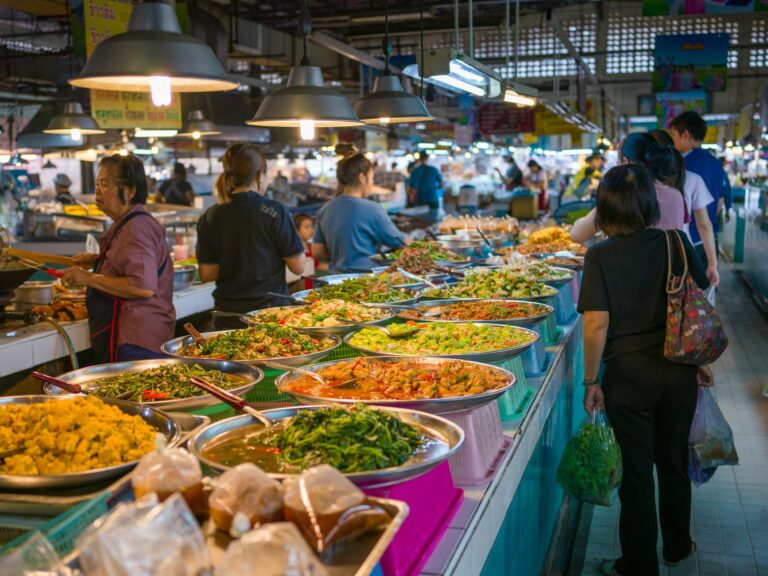
 Seoul
Seoul Singapore
Best Asian Food in Toronto: Where to Eat Authentic Korean, Japanese, Thai, Vietnamese
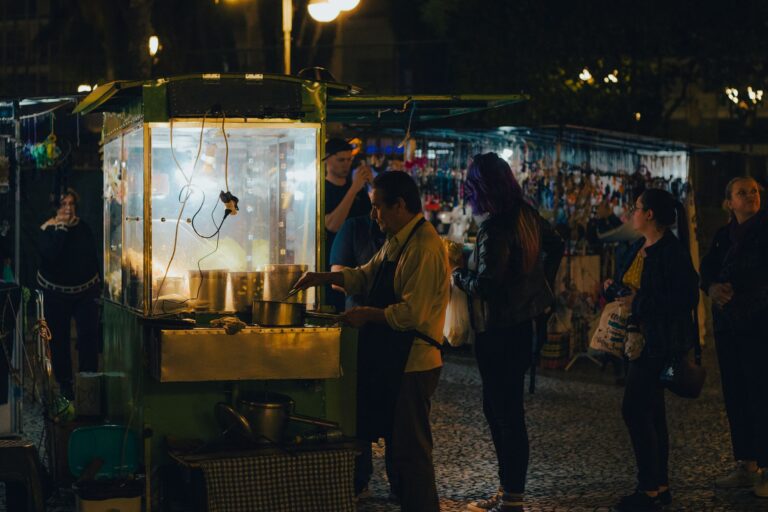
Charcoal smoke and fermented soy hit your nose before you even see the stalls—Spadina Avenue near College Street never sleeps. At 11 PM on a Wednesday, a Korean ajumma flips pajeon on a massive griddle, edges crisping golden as steam curls into the night. Toronto’s Asian food scene isn’t here to win awards. It’s here to feed people who care about flavor.
Koreatown: Spadina’s No-Nonsense Feast
Between Bloor and College, Koreatown serves real-deal meals without pretense. Korean families line up for jjim at lunch; late-night crowds squeeze into pojangmacha tents for tteokbokki and soju. Hua Sheng’s hand-pulled noodles have serious bite—nothing limp or half-hearted here. Skip the trendy spots. The best Korean joints have menus scribbled in Hangul and galbijim that tastes like it simmered all afternoon. Watch for businessmen eating at the counter. That’s the seal of approval.
Chinatown & Little Tokyo: Details Matter
Chinatown (Spadina and Dundas) keeps it rough around the edges—and that’s the charm. Japanese spots like Katsutoku nail tonkatsu with precision: thin, crisp, juicy. Every movement in the kitchen has purpose. At Ramen Shintaro, broth simmers for months, building depth with pork bones and kombu. Nearby grocers stock regional miso, fresh shiso, real wasabi root. The tiny counters inside? That’s where magic happens.
Kensington & Ossington: Bold Flavors Only
Thai food thrives in Kensington’s chaos and Ossington’s low-key storefronts. Pai gets crowds, but locals head to smaller spots where pad thai gets proper wok char. Tamarind and fish sauce balance perfectly—no guesswork. Vietnamese joints near Ossington and Dundas open at dawn for nurses and construction workers. Pho broth simmers overnight. Bánh mì comes with real pâté and house-pickled veggies. This is food made for people who know the difference.
Toronto’s Asian food scene doesn’t care about hype. It cares about feeding its community. Eat where menus aren’t translated. Where cooks look exhausted by closing time. Where you might be the only non-Asian diner. That’s how you know it’s legit.