Tokyo
Tokyo Bangkok
 Seoul
Seoul Singapore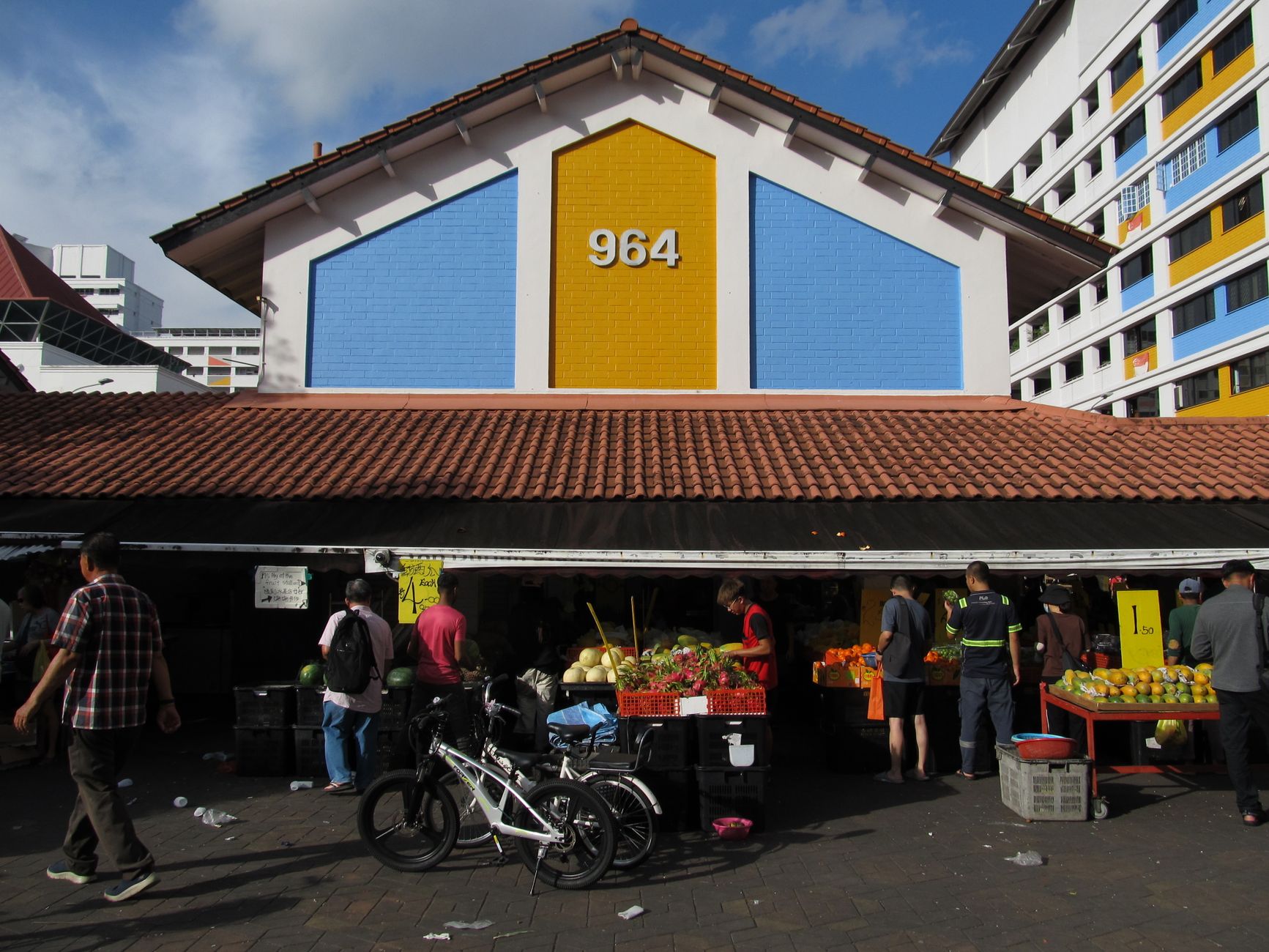
Singaporean Hawker Culture: From Street Cart to UNESCO Heritage
 🇵🇸 / Pexels
Singapore’s hawker centers aren’t just about food—they’re a brilliant fix to a messy urban problem. Back in the 1960s, street vendors clogged alleyways, with zero hygiene checks. Instead of wiping them out, the government gave them proper spaces with running water and waste systems. Now, these centers dish out 14 million meals a day. UNESCO didn’t honor them for being charming. They recognized a system that actually works.
How Singapore Fixed Street Food Without Killing It
In 1965, Singapore had 40,000 unlicensed vendors cooking wherever they could. Grease clogged drains, and no one checked food safety. The solution? Build hawker centers—clean, regulated spaces where vendors could operate legally. The first one opened in 1972. It wasn’t about wiping out street food. It was about making it better.
Today, 114 centers operate under strict rules. Stalls must show food-handling certificates, keep temps in check, and pass inspections. Tiong Bahru Market, renovated in 2019, stays top-notch because local officials keep vendors on their toes. Skip a center with weak oversight, and you’ll notice—food safety and taste take a hit.
Skip the Hype. Go Where the Specialists Are.
Maxwell Food Centre is chicken rice central for a reason. When vendors were relocated in the 1980s, the best chicken rice stalls clustered here. Tian Tian (stall 01-10) nails it—poached chicken chilled in ice, rice cooked in chicken fat. No gimmicks, just technique.
Bedok 85 Laksa? Their broth simmers for eight hours with coconut, chilies, and galangal. Noodles get a cold rinse to stay springy. At Lau Pa Sat, Zhen Zhu Fried Kway Teow needs a 700°F wok for that smoky char. Weak heat means soggy noodles. Simple as that.
UNESCO Saved Hawker Culture—But Also Priced Some Out
After the 2020 UNESCO nod, tourist crowds jumped 30-40%. Stall rents at Tiong Bahru shot from SGD $800 to $1,200 monthly. Younger cooks can’t afford to start, and some stalls raised prices. The very thing that made hawker food democratic—cheap, great meals—is slipping away.
UNESCO saved hawker culture from bulldozers, but success has downsides. For the real deal now, hit outer neighborhoods like Clementi or Serangoon. Or go early—before 11 a.m., before the crowds. The system survived regulation. Now it’s battling its own popularity.
Skip the tourist traps: Clementi Food Centre keeps prices 20-30% lower, with quality just as high. No frills, no hype—just how locals eat every day.