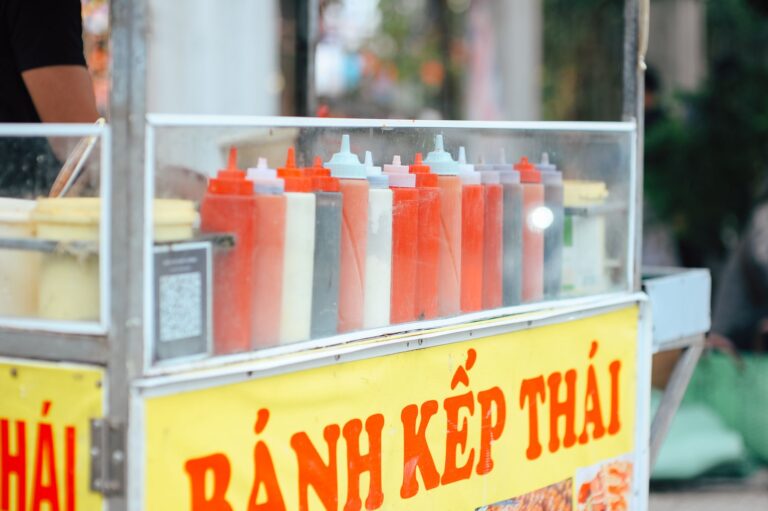
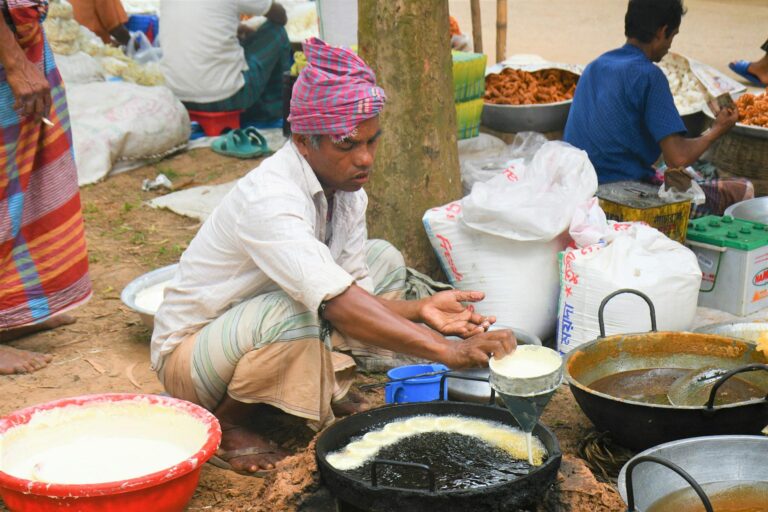
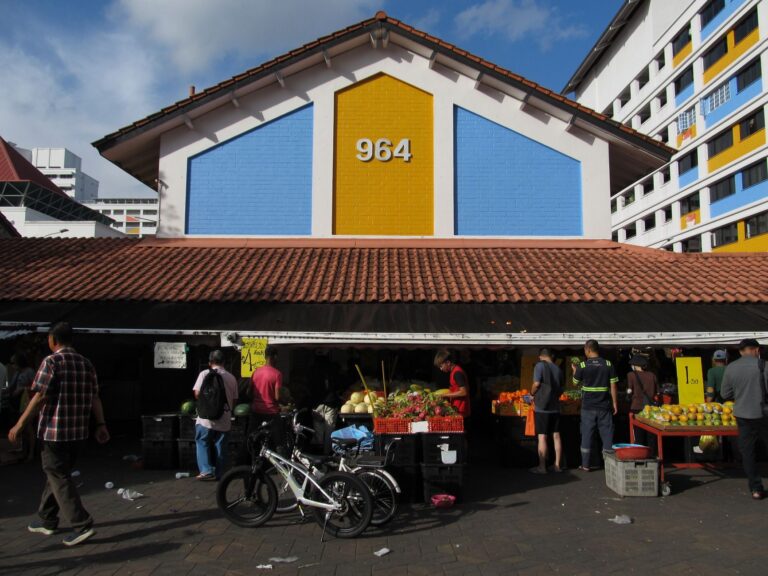
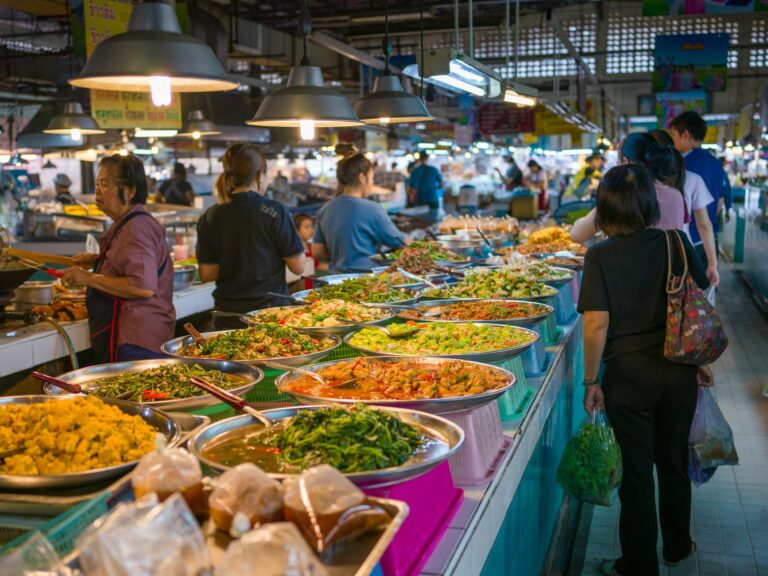
Tokyo
Tokyo Bangkok
 Seoul
Seoul Singapore
Best Asian Food in Melbourne: Korean, Japanese, Thai & Vietnamese
Melbourne’s Asian food scene has leveled up—not because restaurants suddenly got more authentic, but because diners finally stopped settling for meh. Korean, Japanese, Thai, and Vietnamese spots have ditched the tourist-friendly act. Now you’ll find dishes that would hold their own in Seoul or Hanoi. The upgrade is obvious, and it’s about time.
Footscray and West Footscray: No-Nonsense Vietnamese
Footscray’s still Melbourne’s realest Vietnamese hub, though it’s way more than just pho these days. Nicholson Street’s where it’s at—places like Pho Y #1 and Thanh Huong don’t care about Instagram. Try the bánh mì at Bánh Mì Ba Lâm and you’ll get why this sandwich needs no flashy presentation. Funky pâté, tangy pickles, a crusty baguette that doesn’t collapse. This is the real deal, not some watered-down version. Over in West Footscray along Barkly Street, tiny spots focus on regional dishes. Their cơm tấm comes with properly charred pork chops and eggs fried in pork fat. Broths here aren’t sweetened to please crowds—they’re deep, mineral-rich, and demand your attention.
Carlton and Brunswick: Japanese Done Right
Melbourne’s Japanese spots have dropped the stiff “authentic” vibes. Lilia in Carlton is proof—bright, casual, serving ramen that could go toe-to-toe with Tokyo joints. Their tonkotsu broth simmers for 18 hours, packing savory depth instead of just heaviness. Akita on Lygon Street nails yakitori over binchōtan charcoal, which sounds fussy but makes all the difference—crispier skin, better-rendered fat. Brunswick’s Sydney Road strip has sharpened up, with Tampopo treating donburi rice as a star, not just filler. Their katsudon panko shatters, the egg stays creamy. No performative “Japanese” here—just the real thing, executed properly.
Box Hill and Glen Waverley: Korean Food Unfiltered
Box Hill’s Korean stretch along Mountain Highway doesn’t mess around. These places cater to Korean families, so quality trumps decor. Kang Nam’s bibimbap has separately prepped veggies and properly scorched rice—you’ll hear it sizzle. Chosun Galbee does kalbi and bulgogi right, marinated properly and grilled over real charcoal for actual char. Glen Waverley’s Korean spots double down, with kimchi fermenting in back rooms (not just garnish) and banchan that changes with the seasons. No dumbed-down versions—this is how Korean food actually works.
Ditch the tourist traps. Hit these neighborhoods, order from menus in their original languages, sit next to people who grew up eating this stuff. Taste what happens when chefs stop adapting and start cooking.