Tokyo
Tokyo Bangkok
 Seoul
Seoul Singapore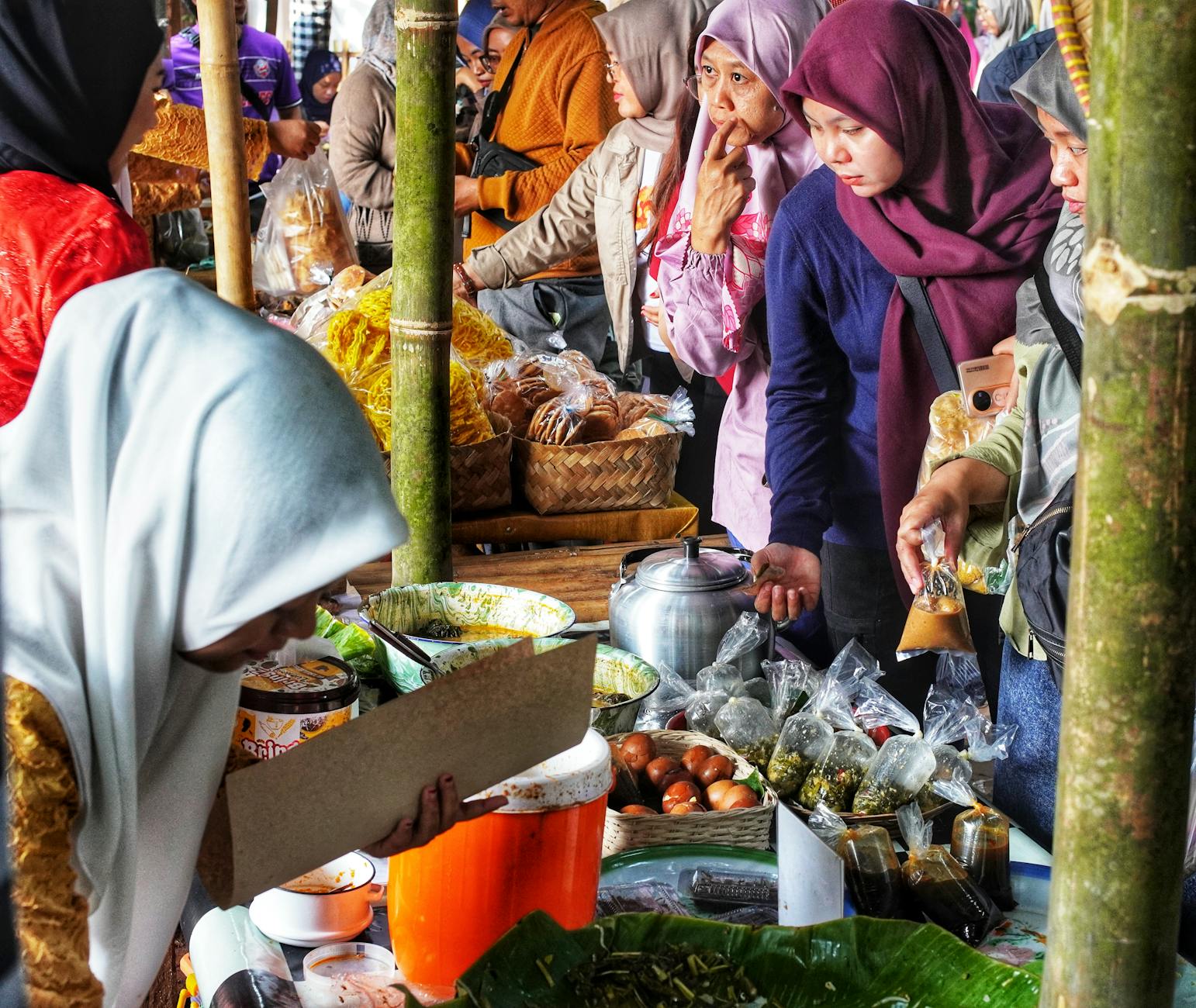
Jakarta Street Food by Neighborhood: Where to Eat Like a Local
Jakarta’s street food doesn’t get much love from Western critics—maybe because the city itself flies under the radar. But here’s the twist: Indonesia’s capital didn’t just inherit its hawker culture. It built it from scratch, mixing Chinese, Arab, and Javanese flavors under Dutch rule. The result? A chaotic, delicious mess you won’t find in Singapore or Bangkok. Forget restaurants. The real magic happens at family-run carts that have parked on the same corner for decades, serving one dish perfected over a lifetime.
Glodok: Where Chinese-Indonesian Fusion Actually Started
Glodok is Jakarta’s Chinatown, but it’s no tourist trap. This place runs on commerce, which means the food has to be good. Hit up Pasar Baru first. The bakso here—beef ball soup—simmers for half a day. One vendor on Jalan Pancoran uses beef knuckles, turning the broth into something thick and sticky. Nearby, lumpia stands sell spring rolls stuffed with bamboo shoots and pork. These aren’t the crunchy kind you’d find at a mall. They’re soft, meant to soak up sweet soy sauce. The trick? Wrappers thin enough to tear, fillings that never drip grease. A few steps away on Jalan Kemenangan, coto Makassar—a beef soup from South Sulawesi—comes with turmeric rice and hard-boiled eggs.
Menteng: The Soto Ayam Capital and Residential Eating Culture
Menteng feels like a different city. Quiet, leafy, full of regulars who know their orders by heart. This is where you’ll find Jakarta’s best soto ayam. The broth isn’t just flavored water—it’s chicken, turmeric, and galangal boiled down to something rich and golden. Most versions throw in eggs, potatoes, and bean sprouts, with rice on the side. Along Jalan Menteng Raya, carts have been parked in the same spots for 20 years. Regulars show up like clockwork. Gado-gado here varies by vendor: some load up on tempeh, others pile on cabbage. The peanut sauce makes or breaks it—roasted peanuts, shallots, garlic, chilies, and palm sugar, balanced just right. Don’t miss the satay carts either. Charcoal-grilled chicken or goat, served with that same peanut sauce and rice cakes.
Kota Tua: Street Food in the Colonial Shadow
Kota Tua is history on a plate. Dutch buildings loom over stalls serving food that’s evolved over centuries. Martabak—stuffed pancakes—come sweet (think chocolate and cheese) or savory (meat and egg). The dough has to walk a tightrope: thin enough to fold, strong enough to hold. Ketoprak stalls nearby stack tofu, rice cakes, and bean sprouts, drowning everything in peanut sauce. What stands out here is the mix. Muslim vendors sell pork satay to Chinese customers. Arab traders slurp Indonesian soups. Tourists realize a full meal costs less than a coffee back home. And perkedel? Those golden potato croquettes pop up everywhere, paired with sambal or ketchup.
Here’s how to do it right: come hungry, bring cash (cards won’t cut it), and follow the crowds. In Jakarta, a line means the food’s worth waiting for. Start with soto ayam in Menteng at dawn. Hit Glodok for lunch. End in Kota Tua after dark, when the streets really come alive. You’ll eat like a local—and better than most tourists ever do.