Tokyo
Tokyo Bangkok
 Seoul
Seoul Singapore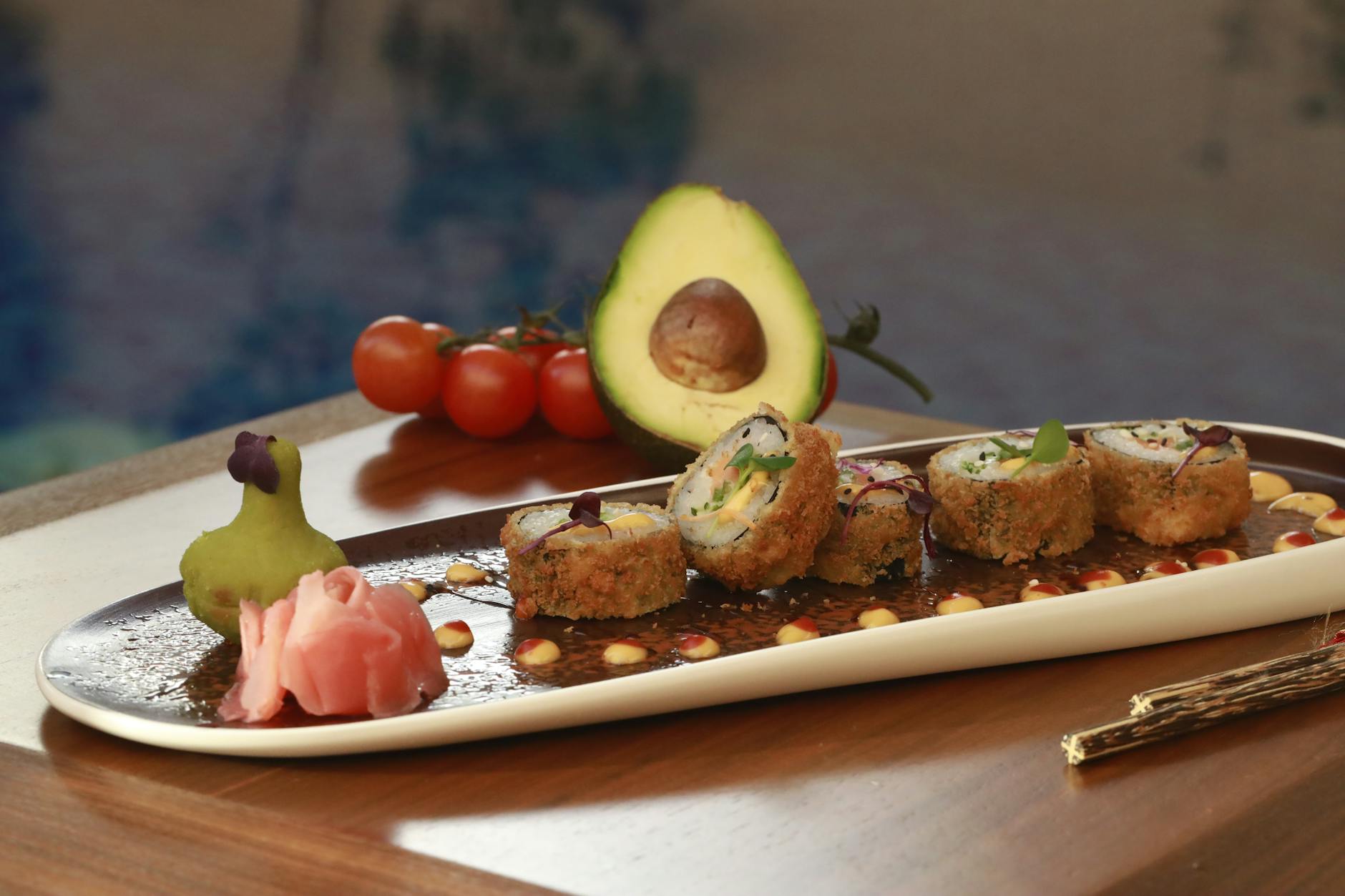
Best Asian Food in Chicago: Korean, Japanese, Thai & Vietnamese
Watch a Korean grandmother fold dumpling wrappers in a Seoul market—her hands move faster than you can blink. That same effortless skill shows up in Chicago’s Korean kitchens, where cooking feels more like habit than a show. Want real Asian food here? Good news. Chicago’s got neighborhoods where you can eat like you’re in Seoul, Bangkok, Hanoi, or Tokyo without stepping outside the city.
Koreatown: Lawrence Avenue’s Grill Smoke and Pickled Everything
Find the stretch of Lawrence between Kimball and Kedzie, and you’ve hit Chicago’s Korean heartland. Families crowd tables here. The air smells like charred meat and fermented kimchi. Restaurants keep it simple: Korean barbecue where you grill your own thin-cut beef and pork belly, then wrap it in lettuce with garlic and ssamjang. Banchan arrives without fuss—spicy radish, sesame spinach, kimchi that tastes like it’s been fermenting for weeks (in a good way). Look for bibimbap with that crispy rice layer at the bottom, or jjigae stews that steam up your glasses. No English menus needed. Regulars already know what they’re ordering.
Argyle Street: Pho Broth That Simmers All Day, Sandwiches That Crunch
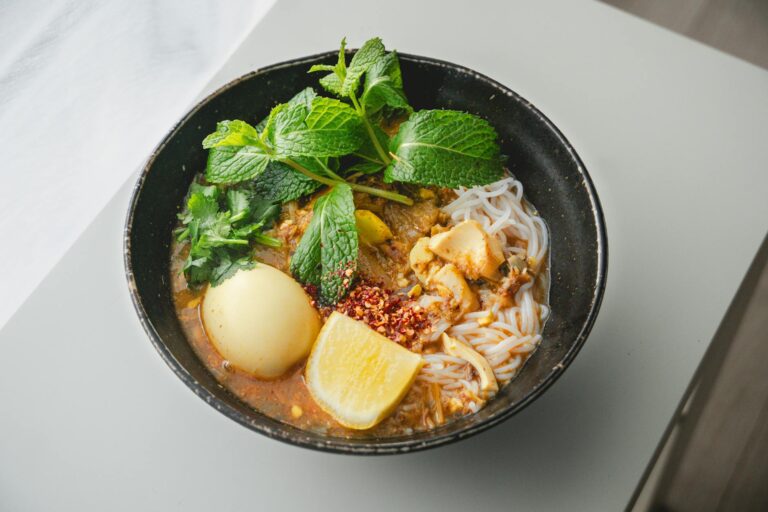
Argyle Street in Uptown runs on Vietnamese and Thai home cooking. Walk past storefronts with handwritten specials, kitchens chatting in Vietnamese, pho broth that’s been brewing since dawn. The pho here gets it right—broth boiled for half a day, fresh rice noodles, beef that cooks just from the bowl’s heat. Bánh mì shops pile sandwiches with pâté, grilled pork, and tangy pickles on crackly baguettes. Thai spots make som tam to order, pounding papaya salad with a rhythm that says they’ve done this forever. Curries come spicy if you ask. Larb tastes like someone balanced lime, fish sauce, and herbs perfectly. Prices stay low because locals eat here daily.
Bridgeport and Uptown: Japanese Food That Skips the Gimmicks
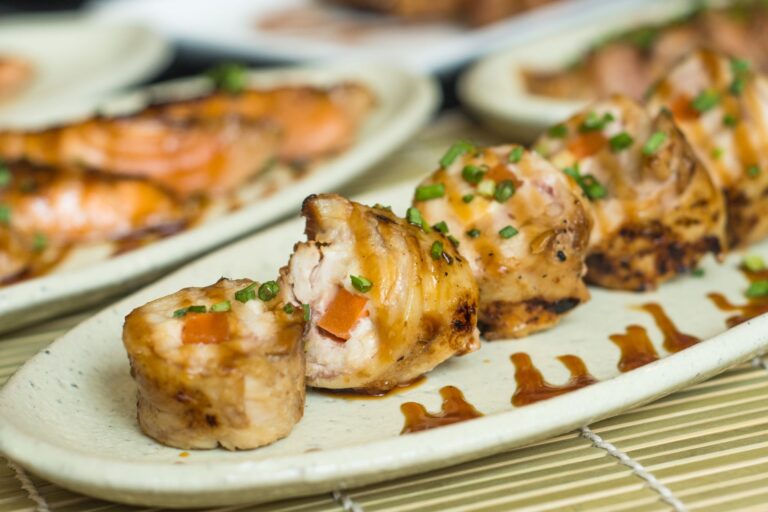
Chicago’s best Japanese food isn’t downtown. Bridgeport and Uptown do ramen right—broth from pork bones or kombu, boiled down until it’s deep and clean. Tonkotsu comes with jammy eggs and pork that shreds with a glance. Yakitori spots grill chicken skewers: thighs, hearts, even skin, each one barely kissed by fire. Donburi bowls keep it simple—katsudon with a crisp pork cutlet, gyudon with sweet onions and thin beef. Fewer tourists mean lower prices and actual elbow room at the table.
Here’s how to do Chicago’s Asian food right: pick a neighborhood. Eat lunch. Wander. Come back for dinner. The best spots cook like nobody’s watching—and that’s when the food tastes real.