Tokyo
Tokyo Bangkok
 Seoul
Seoul Singapore
Char Kway Teow: Malaysia’s Best Street Food Explained
Asian noodles can start to feel samey after a while. Char kway teow breaks the mold. These flat rice noodles transform under intense heat, changing dramatically based on who’s cooking and where—which is why you should know the basics before hitting Malaysia’s streets.
Flat Rice Noodles Over High Heat: What Actually Matters in Char Kway Teow
“Char kway teow” literally means “stir-fried rice cake strips.” Those quarter-inch-wide rice noodles? Non-negotiable. But what makes great char kway teow isn’t some mystery ingredient. It’s fire and speed.
Street vendors use heat levels your kitchen stove can’t touch. The wok scorches the noodles just enough to create crispy edges while keeping them soft inside. Those dark brown patches? That’s wok hei—the smoky magic separating masters from amateurs. Bad versions taste greasy and flat. Good ones hit you with smoke, sweet soy, and the funky punch of shrimp paste (belacan), all wrapped around plump shrimp or chewy sausage.
The lineup rarely changes: rice noodles, soy sauce, shrimp paste, chives or sprouts, protein (usually shrimp and sausage), eggs. But ratios and timing shift everything. Penang’s style goes dark and smoky. KL piles on seafood. Melaka sweetens the deal.
Where to Actually Find Good Char Kway Teow (And What to Order)
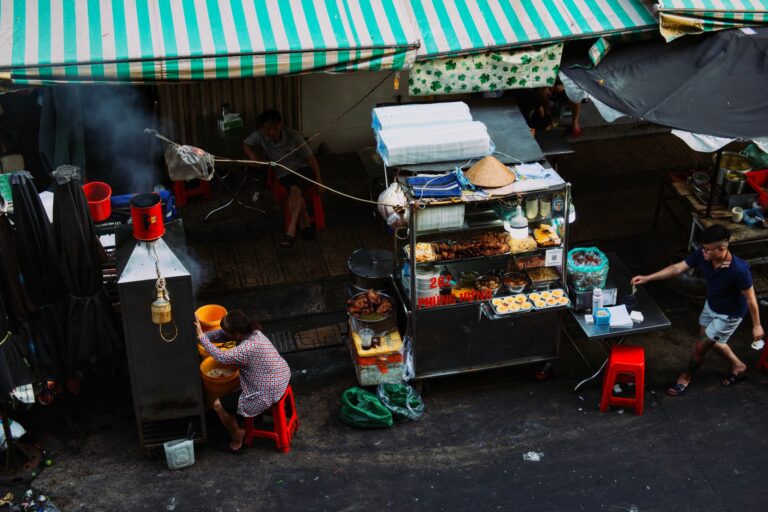
Mall food courts need not apply. Real char kway teow lives at street stalls and wet markets, where cooks have perfected their wok moves over decades. Most open at dawn and pack up by 2 p.m.
Penang’s Gurney Drive gets all the press, but Lebuh Chulia in Georgetown serves better noodles for less cash. The stalls here are scrappier, hungrier. Get yours with extra shrimp and egg—it’ll run you 8-12 ringgit ($1.70-$2.50).
KL locals head to Jalan Alor in Bukit Bintang. Nasi Kandar Pelita (red sign, not the chain) tweaks their recipe daily based on what’s fresh. Try it with cockles if they’ve got them.
Melaka’s tourist traps can’t compete with Jonker Walk market on weekends. No English menus here—just point and pray.
Key move: Eat it fast. Char kway teow turns soggy and sad after three minutes.
Why Char kway teow Represents Malaysia Better Than Anything Else You’ll Eat
This dish is Malaysia in a wok. Chinese noodles meet Southeast Asian shrimp paste, blasted by Cantonese cooking techniques. The flavor? Pure Malaysian chaos.
Here’s the thing: char kway teow is both dirt-cheap and legitimately great. No fancy plating, no influencer bait. Just a cook who’s done this 10,000 times, moving faster than you can blink. It’s anti-restaurant—and somehow better for it.
Truth bomb: Not every plate’s a winner. Some days the shrimp’s off. Sometimes the wok’s not hot enough. Locals know this. That’s why they’ve got their guy, their order, their exact 7:15 a.m. slot. They’ve cracked the code.
Hit a Penang wet market stall at sunrise tomorrow. Order char kway teow with extra protein. Stand there and eat it. If it’s got crispy bits and smoke in every bite, you’ve won. Go back the next day.