Tokyo
Tokyo Bangkok
 Seoul
Seoul Singapore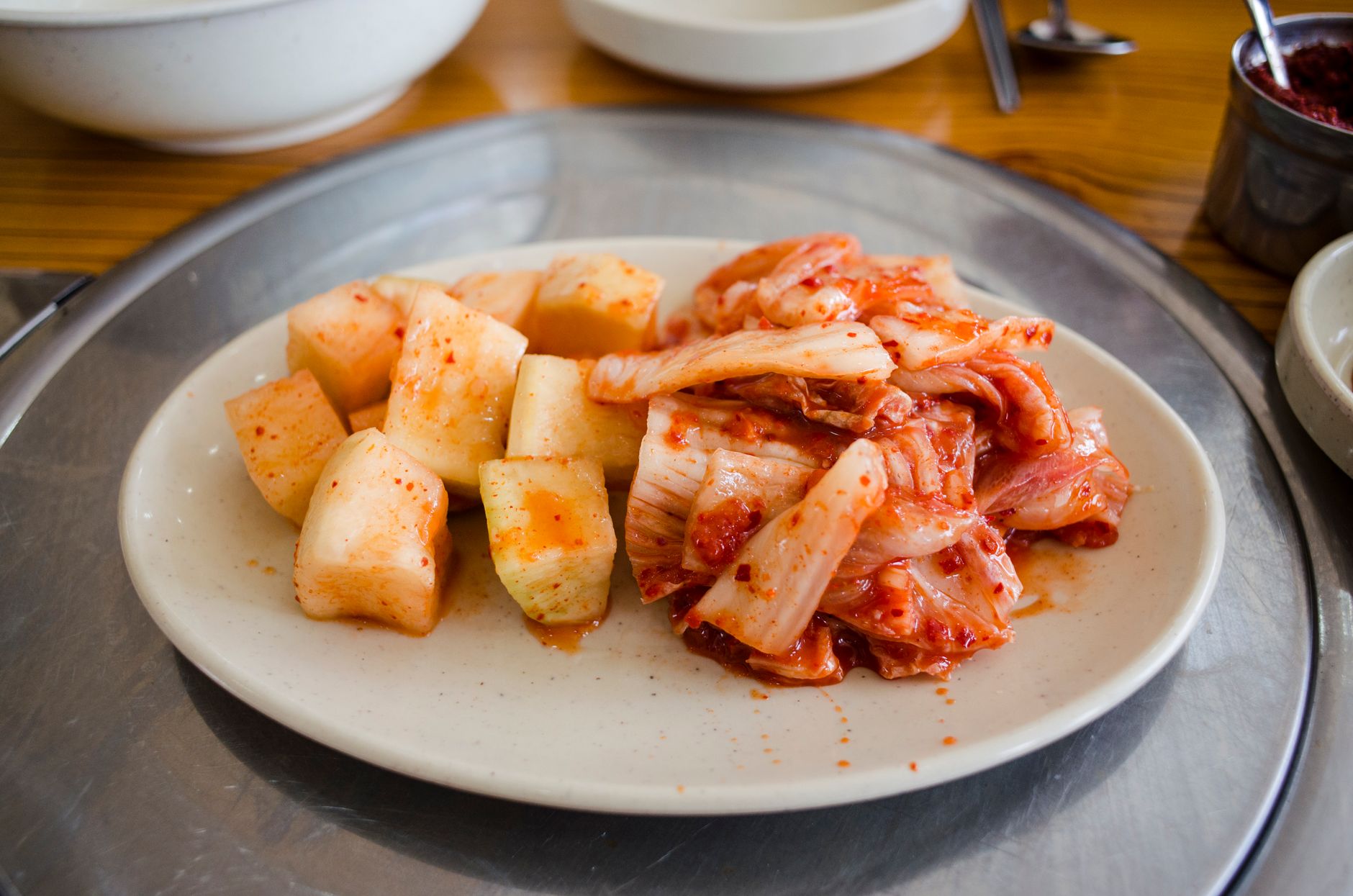
Korean Anju: What Locals Actually Drink With and Why
Friday nights in Seoul don’t kick off at restaurants. They begin at pojangmacha tents or tiny bars where the first move is always identical: soju or makgeolli, then whatever anju the owner slides your way. This isn’t just snacking. Anju is the engine of Korean drinking culture—the mandatory sidekick that makes alcohol tolerable and social. Skip it, and you’re doing it wrong.
Makgeolli and the Comfort Foods That Come With It
Makgeolli, that creamy rice wine with a sneaky kick, calls for specific partners. Growing up, parents would grab a bottle from the market, and immediately, pajeon (scallion pancakes) or bindaetteok (mung bean fritters) would hit the pan. No frills here—just crispy, greasy goodness meant for tearing and sharing. The starch soaks up booze; the salt keeps you sipping. Tteokbokki (spicy rice cakes) is another classic, especially at pojangmacha stalls where they sizzle right in front of you. Chewy rice cakes and fiery gochujang balance makgeolli’s sweetness like nothing else. In smaller towns, expect boiled corn, steamed eggs, or kimchi jjim (stewed kimchi with pork). Not glamorous, just practical. Hongdae or Gangnam makgeolli bars still serve these combos because, well, they’ve always worked.
Soju Demands Heavier, Greasier Anju
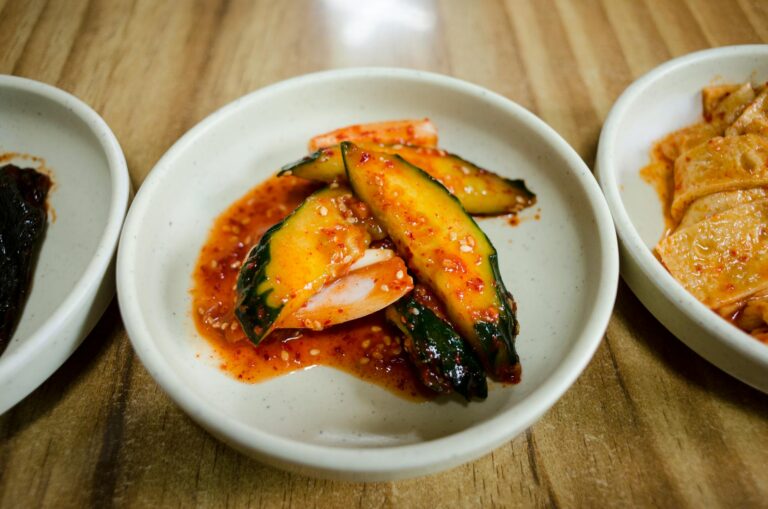
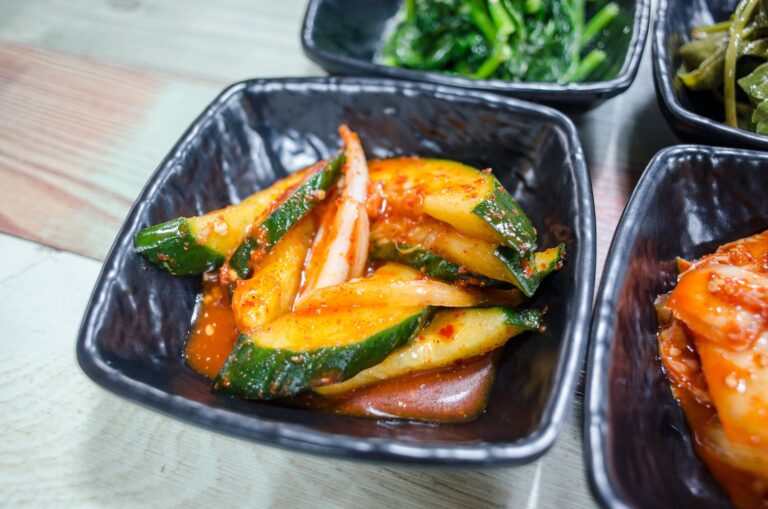
Soju plays by different rules. At 20% alcohol, it needs heftier backup. Chimaek (chicken and beer) gets the hype, but chimasu (chicken and soju) is the real move. Decades-old fried chicken joints deliver crispy birds with soju bottles—the crunch tames the alcohol’s bite. Same goes for fried squid (ojingeochim). Then there’s the deep cuts: dried squid (ojingeochae) for slow chewing, spicy octopus stir-fry (nakji bokkeum), or gyeran mari (rolled omelet). At home or work? Kimchi, seasoned seaweed, anchovies, or just cheese and sausage. Fancy isn’t the goal. It’s about slowing the buzz and keeping the conversation going.
The Unspoken Rules of Anju Pairing
There’s method to the madness. Spicy anju loves makgeolli—sweet needs heat. Fried anju clings to soju, giving the alcohol something to push against. Seafood—raw squid, steamed clams, grilled fish—works with both, which is why pojangmacha always have them ready. The golden rule? Order anju before round two. No second pour without food on the table. It’s not ceremony; it’s respect—for the drink and the company. In Korea, anju isn’t optional. It’s the whole point. At a local pojangmacha? Watch what the regulars do. Skip the tourist traps and stick with what’s stood the test of time.