Tokyo
Tokyo Bangkok
 Seoul
Seoul Singapore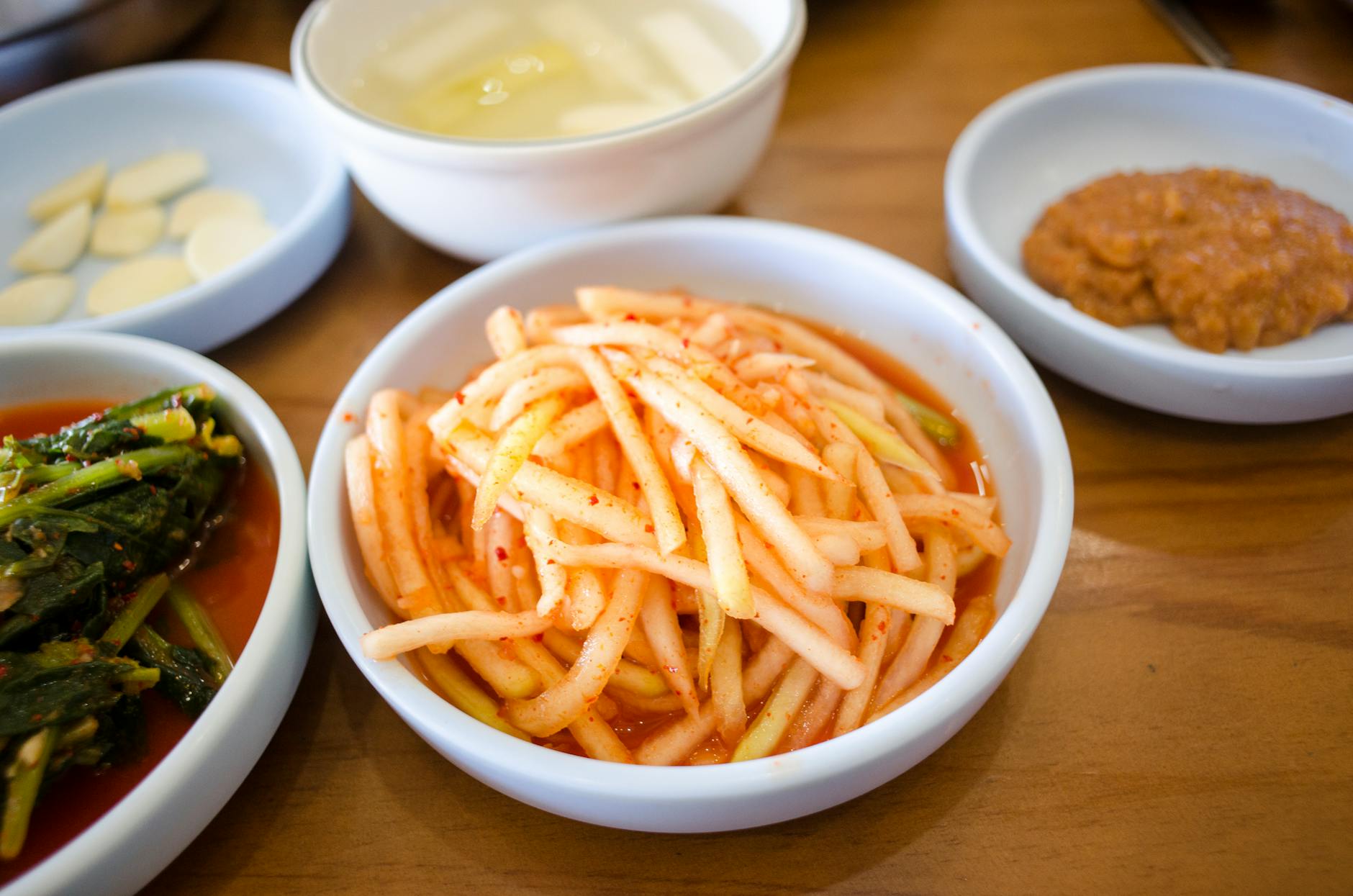
Dakgalbi Guide: Korean Spicy Chicken You Need to Know
Three days in Seoul and every food blog sends you to the same tourist-packed spots? Skip the hype. What you want is real dakgalbi—not the gloopy, overhyped stuff in Myeongdong. This is the dish Koreans actually eat on repeat, and here’s how to order it right.
Dakgalbi Is Chicken First, Sauce Second
Dakgalbi means “spicy marinated chicken,” and that’s the whole point. Bite-sized pieces soaked in gochujang, soy, garlic, and sugar, then sizzled on a griddle at your table. It started in the 1980s in Chuncheon—a city 90 minutes from Seoul—when a restaurant owner tossed leftover chicken in chili paste to speed up orders. By the 1990s, it was everywhere in Seoul, from street tents to late-night spots.
The good stuff? Tender chicken that still has bite. A marinade where you taste soy and chili in balance, not just heat. A griddle hot enough to char the edges. Walk out if the sauce looks watery or the chicken’s pre-cooked.
Chuncheon Does It Best, But Gangnam Comes Close
Chuncheon’s dakgalbi district (around its Myeongdong area, not Seoul’s) is the birthplace. Here, you’ll find versions with pork, squid, or melted cheese. In Seoul, head to Nae-dong near Gangnam Station Exit 10. Two blocks, 40+ restaurants—most have been slinging chicken since the early 2000s.
Try Jjim Dakgalbi (찜닭갈비). They use thigh meat, which stays juicy, and marinate for hours. Skip the touristy “special” with extra cheese. Go for the regular, medium spice if you’re heat-sensitive. About 14,000-16,000 won ($11-12) per person.
Share It, Then Eat the Leftovers with Rice
This isn’t fast food. You sit with friends, cook the chicken for 8-10 minutes, drink beer or soju. Order one plate for the table—no individual portions.
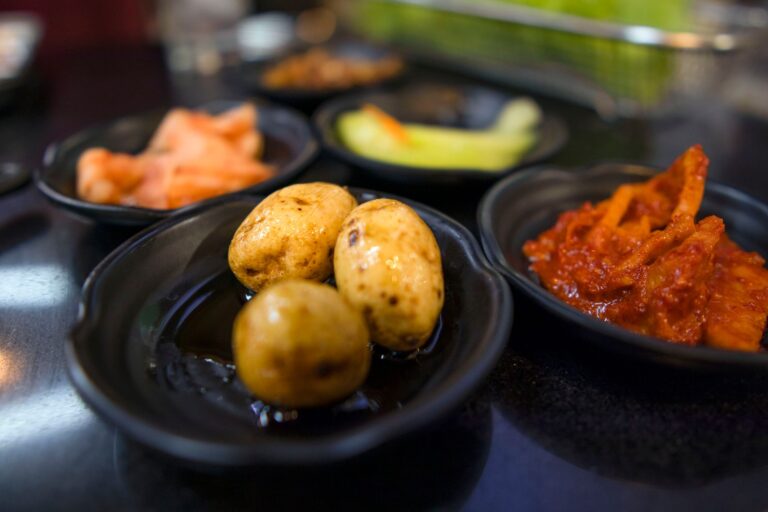
Pro move: after the chicken’s gone, scrape the leftover sauce into rice on the griddle. Stir until crispy. That’s bokkeumbap, and it’s the best part. If the staff doesn’t offer, ask. Drink with kimchi and pickled radish (무) to cut the richness.
Do this: Grab a friend, hit Nae-dong, order regular dakgalbi (medium spice), and finish with the rice. Ignore “premium” versions. You’ll see why this dish hasn’t changed in 40 years.