Tokyo
Tokyo Bangkok
 Seoul
Seoul Singapore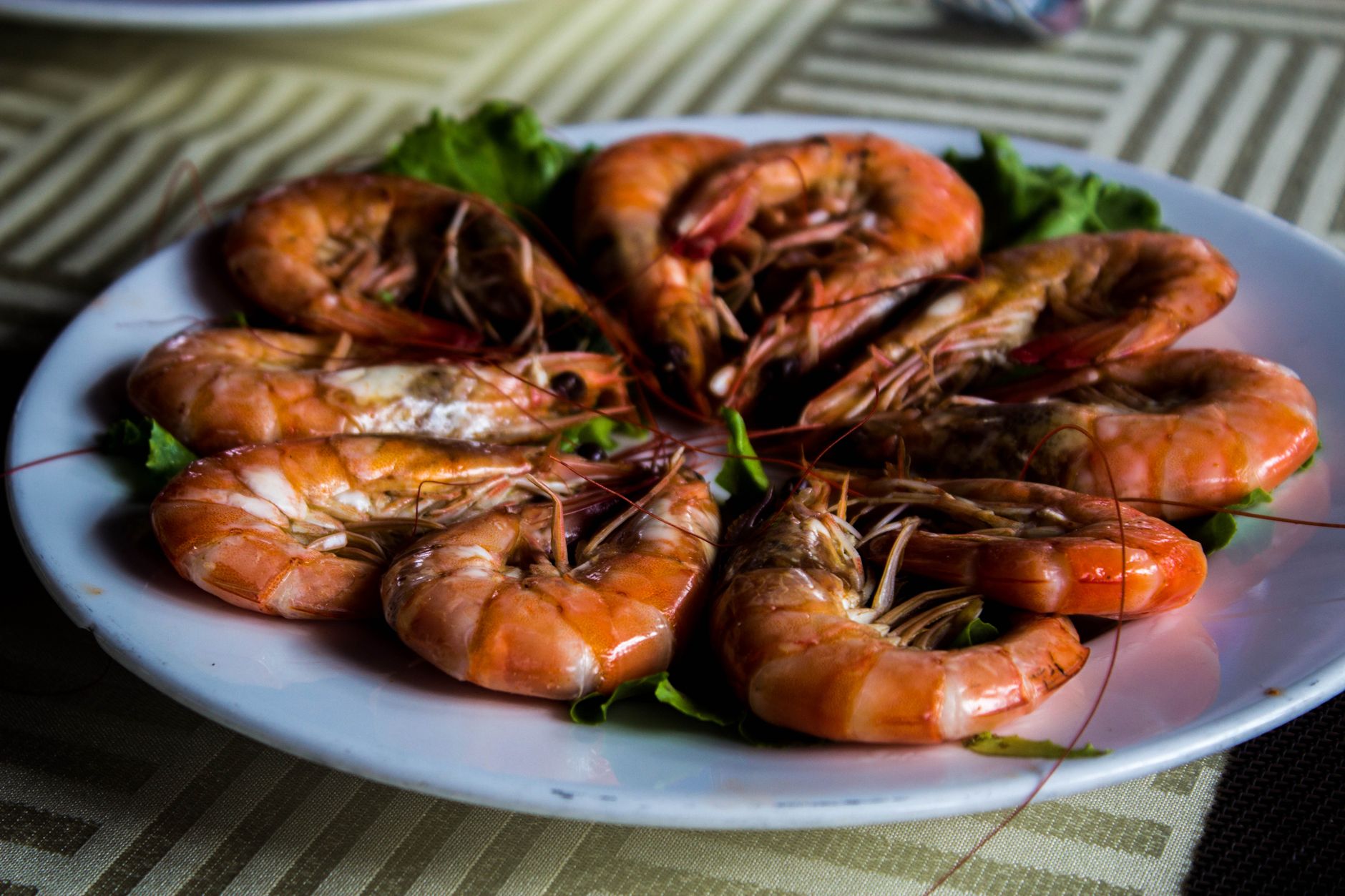
Busan’s Best Seafood Restaurants: Where Locals Actually Eat
Why Busan Is South Korea’s Seafood Capital
Busan sits right on the Korea Strait, so the fish you’re eating was probably in the water yesterday. Seoul gets its seafood through middlemen, but here, restaurants buy straight from the docks. The city’s fishing fleet hauls in over 2 million tons each year—that means better prices and fresher meals. These places aren’t putting on a show for tourists. They’re feeding fishermen, dockworkers, and locals who can spot day-old fish from a mile away.
The Five Restaurants Actually Worth Your Time
- 기장명품대게 (Premium Crab Busan) — With 4.8 stars across 595 reviews, this Gijang-eub spot is the real deal. They specialize in snow crab (대게), and the sheer number of reviews means they’re doing something right. Come between October and May for peak season; outside those months, you’re getting frozen stock. The fact they’ve stayed popular this long means they adapt when crab’s not in season.
- 송정 조개홀릭 (Songjeong Grilled Clams) — 4.9 stars from just 39 reviews, but don’t let the low count fool you. This Haeundae-gu joint lets you grill clams right at your table—no overcooked rubber here. Fewer reviews than the big names, but that near-perfect rating says regulars keep coming back.
- 아빠대게 (Papa Crab) — Another snow crab standout in Gijang-gun, pulling in 4.8 stars from 77 reviews. That middle-ground review count hints it’s not just for one-time visitors. Find it at 12 Chaseongdong-ro 67beon-gil.
- 미친조개 (Crazy Clams) — 4.8 stars from only 10 reviews. The name’s a joke, and that’s the vibe: no frills, just good grilled clams in Gijang-eup. Small but mighty—consistent ratings mean locals swear by it.
- No. 1 Seafood / 해운대1번 조개구이 — The lowest-rated here at 4.4 stars, but 183 reviews mean it’s no flash in the pan. On Gijanghaean-ro, it’s all about volume. Not life-changing, but reliably solid.
What Actually Makes Busan Different
Seoul has fancier spots. Tokyo does precision better. But Busan? It’s got honesty. In Gijang-gun, you can stroll from the fish market to a restaurant in minutes. Same snow crab costs 30-40% less here—not because it’s worse, but because there’s no Seoul rent markup.
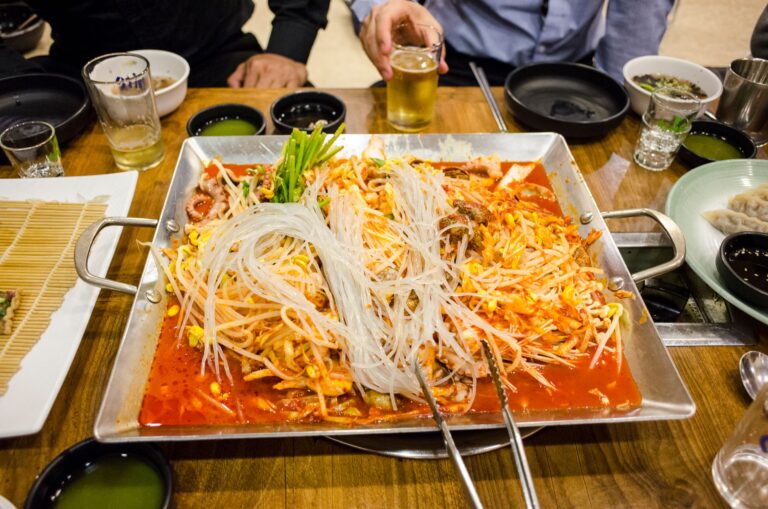
Style here beats presentation every time. Clams hit the grill, not some artful plate. Crab comes whole, not deconstructed. These places feed people who know the difference between fresh and frozen. Survival depends on quality, not hype.
How to Actually Do This
Timing is everything. Snow crab’s best October to May. Summer visits mean farmed options—ask first. Clams work year-round, but winter ones taste sweeter.
Stick to clusters. Most spots bunch up in Gijang-eup (Premium Crab, Papa Crab, Crazy Clams) or Haeundae-gu (Songjeong Grilled Clams). Taxi between zones instead of cramming it all into one day.
Ordering’s simple. Point or say the Korean name. Snow crab usually comes grilled unless you ask for raw. Clam spots charge by weight or plate. Budget 40,000-80,000 KRW ($30-60) per person at top spots, less for casual clam joints.
Bring a Korean speaker if you can. Not for translation—staff are friendly—but to catch daily specials and seasonal tips. A quick chat could save you from mediocre picks.
Add This to Your List
Busan’s seafood scene isn’t some hidden treasure. It’s been feeding locals forever. Show up, eat what’s fresh, and skip the food pics. From tiny 5-star spots to the packed place on Gijanghaean-ro, these restaurants assume you’re here for the real deal. They’re not wrong.