Tokyo
Tokyo Bangkok
 Seoul
Seoul Singapore
Bali Food Guide: Eat Like Locals at Warungs
Forget what you’ve heard about Balinese food. The issue isn’t that the island’s cuisine is shallow—it’s that most visitors never actually taste it. They stick to resort meals, Instagram-friendly dishes, and stuff tailored for Western tastes. Real Bali food is something else entirely, and you’ll only find it in warungs, those unassuming open-air stalls where locals line up for breakfast and tourists rarely go.
Why Warungs Are Where Bali’s Food Actually Lives
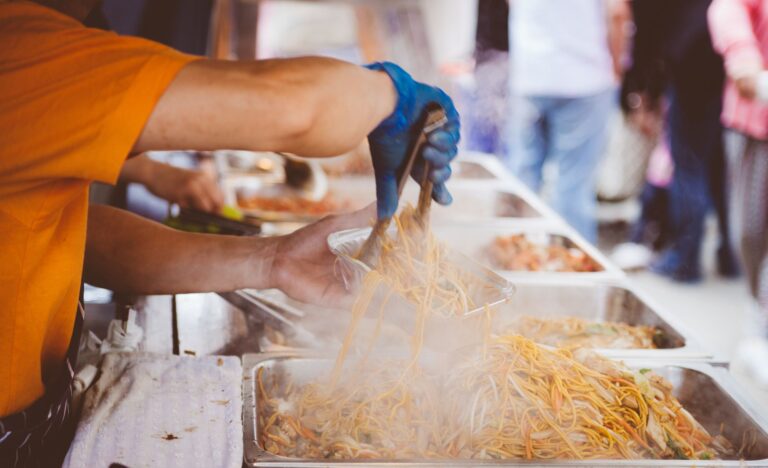
A warung isn’t a restaurant. It’s a family-run spot, often managed by one cook and their relatives, offering a handful of dishes each day. No menus. No English. Just plastic chairs and a view of the street. That’s the charm. Warungs survive on volume and word of mouth—they don’t rely on gimmicks or marketing. They thrive because the food is both good and cheap, usually costing $1.50 to $4 per meal.
Head to Warung Bodag Maliah in Ubud around 7 AM, and you’ll see construction workers, office staff, and kids all eating together. Ketut, the cook, has been making the same dishes for 30 years. Her focus isn’t on presentation—it’s on flavor and filling you up. Try the nasi campur—rice topped with fried chicken, sambal matah, crispy shallots, and a fried egg—and you’ll get why Balinese people eat this for breakfast without hesitation. The sambal matah, made fresh daily with raw shallots, lime, and chilies, brings a sharp, spicy kick.
Babi Guling: The Dish That Defines Bali’s Food Culture
Babi guling is roasted suckling pig, but that description doesn’t do it justice. The pig is stuffed with a turmeric, garlic, galangal, and chili paste, then spit-roasted until the skin crackles and the meat turns impossibly tender. It’s not a special-occasion dish—it’s breakfast here, served with rice, blood sausage, crispy skin, and lawar, a minced meat salad made with raw pork, grated coconut, spices, and blood.
Warung Biah in Gianyar, about 45 minutes north of Ubud, serves babi guling that locals drive across the island for. They start cooking at 4 AM and sell out by 11 AM. Order a plate, and you’ll get crackling skin that shatters, meat that falls apart, and sambal that’s both fiery and layered. The blood sausage, often ignored by squeamish visitors, packs the most spice—try it first. This isn’t exotic food; it’s what Balinese families eat on Sunday mornings before heading to temple.
Beyond the Tourist Circuit: What Locals Actually Eat Daily
Hang out in warungs, and you’ll notice most people aren’t eating babi guling. They’re having soto ayam, a turmeric-based chicken soup that’s far richer than the tourist versions. They’re eating gado-gado, which isn’t just a peanut sauce dish—it’s vegetables coated in a sauce made from ground peanuts, garlic, chilies, and shrimp paste, balanced so every flavor stands out. They’re enjoying lumpia, spring rolls stuffed with veggies and sometimes meat, fried to a perfect crisp.
At Warung Pulau Kelapa near the Ubud market, try the lawar with fish instead of pork. It’s lighter, more subtle, and shows how the dish works as a flavor framework rather than just a vehicle for offal. The mix of raw fish, grated coconut, lime juice, and spices creates something that’s not ceviche but achieves a similar freshness in its own way.
Eat at warungs. Go early. Point to what others are eating. Your Bali experience will instantly level up.