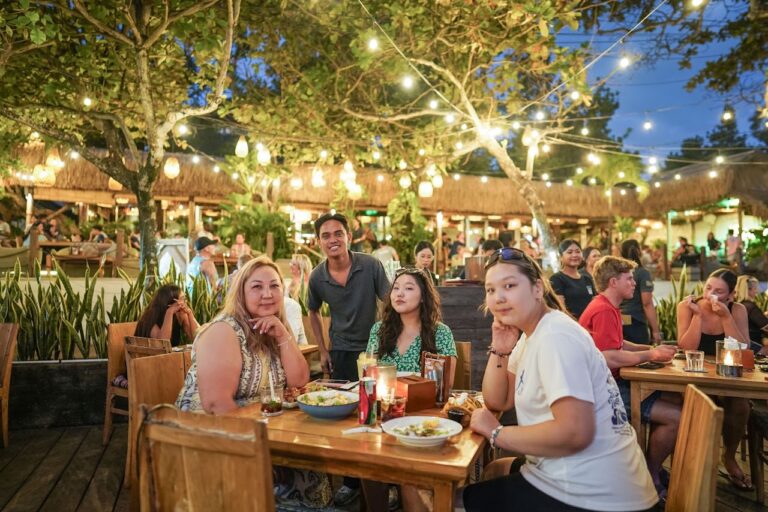
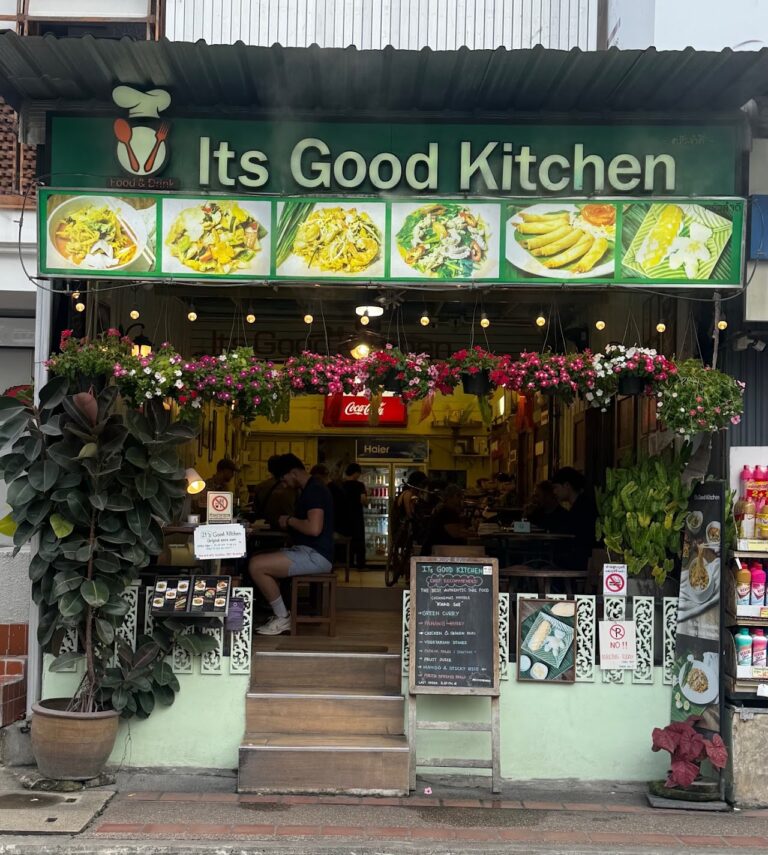
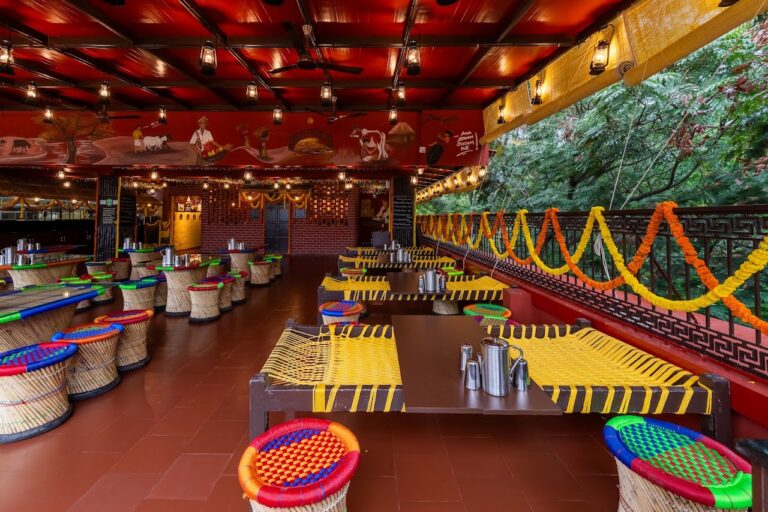
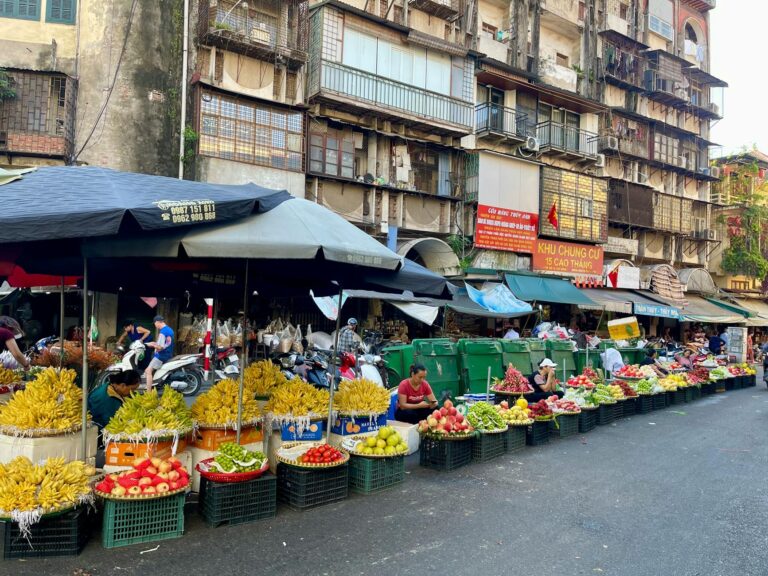
Tokyo
Tokyo Bangkok
 Seoul
Seoul Singapore
Asian Bubble Tea Culture: Beyond Boba to Cheese Tea Trends
Asian Bubble Tea Culture: Beyond Boba — New Tea Trends From Taiwan to Thailand
Bubble tea isn’t just about chewy pearls anymore. What began as a simple Taiwanese street drink in the 1980s has blown up into a global craze, with wild new twists popping up faster than you can say “extra large, half sugar.” Tiger sugar caramel art. Yakult spiked teas. Fluffy cheese foam crowns. The game has changed.
The Evolution of Asian Bubble Tea: From Street Drink to Global Obsession
Picture 1980s Taipei. A tea vendor shakes up black tea, milk, and tapioca pearls—and accidentally starts a revolution. That basic combo sparked today’s billion-dollar industry, but modern tea culture has leveled up hard. It’s not just drinks anymore. It’s craftsmanship.
Asian tea shops treat ingredients like chefs treat prime cuts. Seasonal rotations. Single-origin leaves. No more cloying syrups masking cheap tea dust. This attention to detail turned bubble tea from sugary kid stuff into something adults line up for.
Health trends reshaped the scene too. Less sugar. More transparency. Actual tea flavor instead of just sweetness. The boba’s still there, but it’s sharing the spotlight now.
Tiger Sugar, Yakult, and Cheese Tea: The New Wave of Bubble Tea Innovation
Tiger sugar drinks broke the internet first. Those Instagram-ready caramel streaks dripping down cup walls? Pure genius. Half the appeal is watching baristas create edible art before your eyes.
Then came Yakult teas—tart, fizzy, packed with probiotics. Thailand went nuts for these gut-friendly hybrids. Smart move, blending wellness trends with that nostalgic Yakult tang from childhood.
Cheese tea confused everyone at first. Salty foam on sweet tea? But one sip converts skeptics. The best shops use real cream cheese, whipped into clouds that melt into hot oolong. Sounds weird. Tastes incredible.
Cream Cold Brew and Premium Tea Culture
While flashy trends dominate social media, quiet revolutions happen in the background. Cold brew teas steeped for half a day. Single-estate leaves brewed at precise temperatures. No frills, just tea that actually tastes like tea.
Purists love this approach. A well-made cream cold brew oolong needs no toppings—just ice and maybe a splash of milk. The patience pays off in floral notes you’d miss in quick-brewed teas.
How to Navigate the Modern Asian Bubble Tea Menu
Don’t panic at the endless options. Start simple: pick a tea base you already like. Black for boldness. Green for freshness. Oolong for complexity. From there:
- Ask where their leaves come from—good shops brag about origins
- Go light on tiger sugar unless you’ve got a serious sweet tooth
- Pair Yakult with fruit teas, cheese foam with roasted teas
- Try cold brews straight first before adding milk
The best part? There are no wrong answers. Mix and match. Find your thing.
The Future of Asian Bubble Tea Culture
Expect more regional specialties next. Thai tea with tamarind. Uji matcha done right. Less generic menus, more local pride. Sustainability will matter too—compostable cups, fair-trade leaves.
One thing’s certain: the creativity won’t stop. Whether you’re sipping cheese tea in Shanghai or cold brew in Chicago, this is just the beginning. The pearls were only the start.