Tokyo
Tokyo Bangkok
 Seoul
Seoul Singapore
Hoy Lai Pad Nam Prik Pao: Thailand’s Shellfish Dish Worth Seeking
Before sunrise at Bangkok’s Talad Rot Fai market, a vendor lines up tiny white clams on a metal tray, her wok already glowing over the gas burner. By breakfast time, half her stock is gone—every order identical, yet somehow always satisfying. That’s the magic of hoy lai pad nam prik pao: simple perfection.
The Clam and the Paste: Why This Dish Works
This dish doesn’t mess around. Just small clams tossed with nam prik pao—a roasted chili paste of dried chilies, garlic, shallots, and shrimp paste. No frills. Maybe a basil leaf if you’re lucky. Every element has one job, and nails it.
Manila clams burst open under heat, spilling briny juices that become the sauce. Nam prik pao brings umami depth and caramelized sweetness without drowning the seafood. Done right, it tastes like ocean waves with a spicy kick. Done wrong? Like eating glue with shellfish.
The trick is timing. Toast the paste just 30 seconds—any longer and it scorches. Any less and it’s raw. Then crank the heat. The clams need constant motion and finish in under three minutes. Walk away and they turn into erasers. This dish demands your full attention.
Where to Eat It and What to Order Instead
Good luck finding hoy lai pad nam prik pao at Western Thai spots. Too plain for Instagram, not saucy enough to compete with pad thai. That’s why you should grab it when you see it.
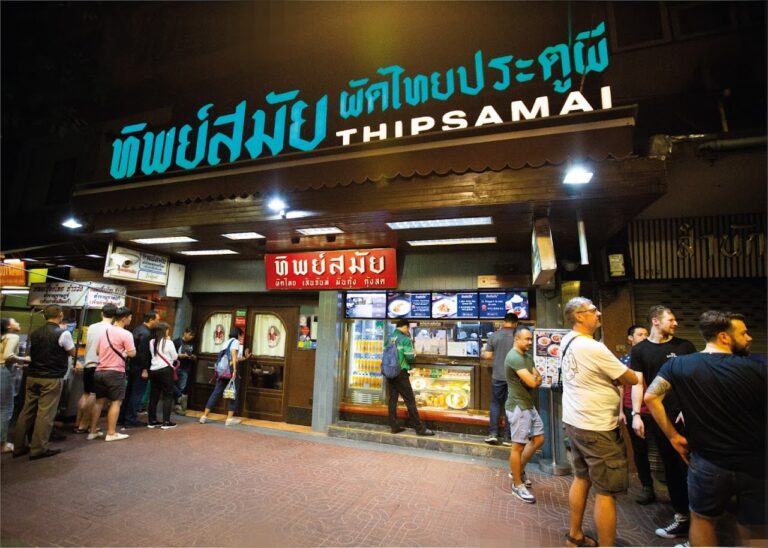
In Thailand, hunt for it at morning markets and no-frills neighborhood joints—skip the tourist areas. Bangkok’s Soi Nana has solid options. Chiang Mai market vendors will whip it up if asked. Expect to pay 80-120 baht (about $2-3 USD).
Stateside? If your Thai place has fresh clams, ask—most kitchens can make it off-menu. Show them a photo if needed. The ingredients are basics in any decent Thai pantry.
What This Dish Reveals About How Thai Cooks Think
Forget the “perfect balance” cliché. This dish is unapologetically salty and spicy first, sweet second. No lime. No sugar. The flavors stack unevenly—and that’s intentional.
It also shows how Thai cooks let ingredients shine. No masking the clams with fancy techniques. Just one brilliant paste amplifying their natural flavor. The “sauce” is just clam juice blended with oil and chili paste. Minimal tweaks, maximum taste—that’s Thai home cooking in a nutshell.
No pretenses here. It’s ugly-delicious street food that doesn’t care about plating or storytelling. Just honest flavors at a fair price. Move along to the next order.
Try making it yourself: grab Manila clams and nam prik pao (Thai Kitchen or Maesri brands work). High heat, one tablespoon paste per half-pound clams, three minutes max. Serve with jasmine rice. No sides needed. You’ll learn more about Thai cooking from this one dish than a dozen restaurant meals.