Tokyo
Tokyo Bangkok
 Seoul
Seoul Singapore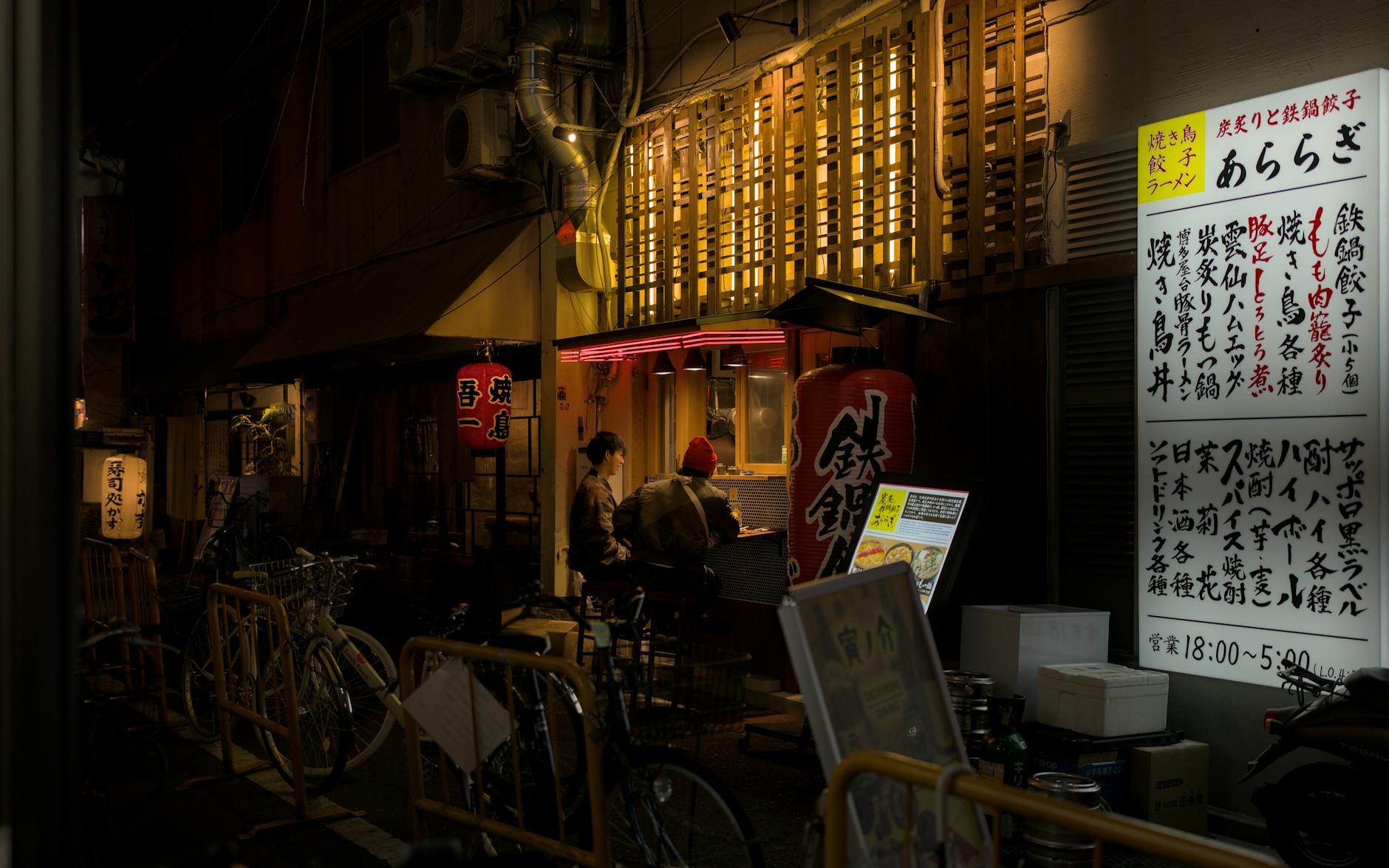
Osaka Food: We Ranked TikTok’s Favorite Dishes Against What Locals Actually Eat
TikTok has turned Osaka into a visual carousel of golden, glistening street food—but what you see on your For You Page and what actually deserves a line around the block are two very different things. We dug into the data to separate the algorithmic hype from the genuinely great.
The TikTok Version of Osaka Food
If you’ve spent any time scrolling through travel content, you know exactly what Osaka’s social media identity is: takoyaki (octopus balls) bursting with molten centers, okonomiyaki (savory pancakes) flipped with theatrical flair, and dotonbori’s neon-soaked carnival of food stalls. These dishes hit every algorithm sweet spot—they’re visually dramatic, they photograph with contrast and motion, and they tell a story of “authentic street food culture.”
Takoyaki, specifically, is the heavyweight champion of Osaka TikTok. The format is almost formulaic: overhead shot of oil bubbling, wooden picks rotating spheres of batter, a close-up of the cross-section revealing creamy octopus center, often drizzled with takoyaki sauce and bonito flakes that dance from the heat. It’s hypnotic. It has 2+ billion views under various hashtags. And yes, it’s delicious. But it’s also become the visual shorthand for “I was in Osaka” in a way that obscures the actual food landscape.
Okonomiyaki gets similar treatment—the spatula scrape, the mayo drizzle, the aroma (though you can’t really smell through a screen). It’s comfort food theater, and TikTok loves it.
What doesn’t trend? The things that actually require local knowledge: proper ramen spots that aren’t in guidebooks, the specific tonkatsu (breaded pork cutlet) restaurants that regulars queue for, the modest okonomiyaki joints in residential neighborhoods that have been running for 30 years with zero Instagram presence.
What the Ratings Actually Say
Here’s where data gets interesting. When you sort Google Maps by rating in Osaka’s food categories, the highest-rated establishments aren’t the Instagram magnets in Dotonbori. They’re scattered across neighborhoods like Shinchi, Taisho, and Fukushima—areas that won’t appear in your TikTok feed because they lack the neon backdrop.
The pattern is clear: places with 4.6+ ratings typically have two things in common. First, they’ve been operating for 10+ years. Second, they have relatively modest online presence. One highly-rated okonomiyaki restaurant in Fukushima, for example, has 4.7 stars across 1,200+ reviews—but fewer than 500 Instagram mentions. Compare that to a buzzy Dotonbori takoyaki spot with 4.2 stars and 50,000 tags.
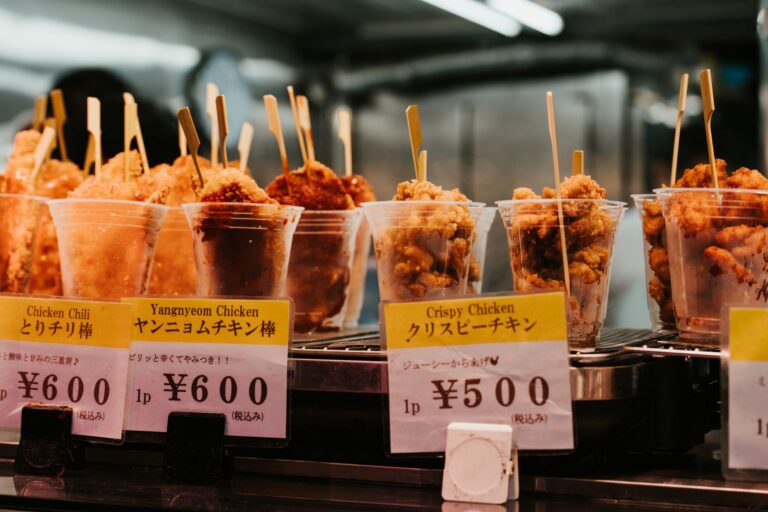
Takoyaki as a category actually rates well across the board (4.3-4.7 average), which suggests the dish itself is genuinely difficult to mess up. But the *location* matters tremendously. The highest-rated takoyaki spots are tucked into side streets and train stations, not the tourist-packed main strip. You’ll pay roughly the same (¥500-800 for 8-10 balls) but without the 45-minute wait.
Okonomiyaki venues show more variance. Tourist-heavy ones cluster around 4.0-4.3. The 4.6+ restaurants? They’re making okonomiyaki the way locals want it—less mayo, more technique, actual attention to the batter consistency. One well-reviewed spot in Shinchi serves okonomiyaki that takes 20 minutes to prepare because they’re not rushing through 200 orders a day.
Notably, the highest-rated food experiences in Osaka don’t feature prominently in viral videos: tonkatsu restaurants (averaging 4.5+), ramen shops in specific neighborhoods, and unassuming curry houses. These categories simply don’t have the visual drama that makes content algorithms nervous.
Reddit’s Verdict: Where Travelers Land After the Hype
Reddit’s JapanTravel and Osaka subreddits reveal a pattern in traveler sentiment that’s worth examining. The repeated refrain among people who’ve spent meaningful time in the city: TikTok spots are fine, but they’re not *necessary*.
Experienced travelers consistently recommend abandoning Dotonbori’s main pedestrian street for side alleys. One recurring comment: “You came to Osaka for the food, not for the Instagrammable background. There’s a ramen shop two blocks away that 95% of tourists never find, and it’s better.”
There’s also frustration about the “theme park” mentality—visitors treating Osaka like a checklist where takoyaki and okonomiyaki are required experiences rather than foods to genuinely enjoy. Locals and return visitors push back against this, noting that the best meals in Osaka come from asking local staff where *they* eat, not trusting algorithmic recommendations.
One data point: threads asking “where should I eat in Osaka” that reference TikTok videos get polite but firm corrections in comments. The consensus recommendation is to pick a neighborhood (Shinchi, Dotonbori’s backstreets, Fukushima), walk around, find places with actual locals eating, and order something that interests you—not something you’ve seen go viral.
The Osaka Food Truth: What to Actually Order
Takoyaki: Worth It, But Choose Wisely
Takoyaki is objectively good and worth trying. The data supports this—it maintains high ratings everywhere. But here’s the reality: the takoyaki you buy from a stall in Dotonbori’s main drag is exactly the same quality as takoyaki from a cart two blocks away with no line. You’re paying for location and convenience, not superior product. Verdict: Yes, eat takoyaki. No, don’t wait 30 minutes for a specific “famous” one.
Okonomiyaki: More Nuanced Than TikTok Shows
This is where TikTok actually misleads you. The theatrical flip and the mayo drizzle are real, but they’re not why you should go to a specific restaurant. The critical difference is in prep: batter consistency, ingredient balance, and cook technique. The highest-rated okonomiyaki places take 15-25 minutes per order. They’re not Instagrammable in the viral sense—they’re just excellent. If you’re in Osaka, eat okonomiyaki at a 4.6+ rated spot in a residential neighborhood, not a 4.1-rated tourist zone. You’ll notice the difference immediately.
Tonkatsu: The Actual Secret
This is what the data consistently shows but TikTok barely covers: Osaka’s tonkatsu scene is exceptional and underrated in international travel discourse. The breaded pork cutlet here is a study in temperature control and technique. It doesn’t film well (it’s not visually dramatic), but it rates higher than takoyaki in most established restaurants. Try it.
Ramen: Know Your Neighborhood
Osaka ramen has distinct styles by area (Dotonbori ramen vs. Fukushima ramen have meaningful differences), but generic “best ramen in Osaka” TikTok videos miss the point entirely. Pick a neighborhood, read the reviews specific to that area, and trust the 4.5+ rated spots. You’ll get a better bowl than hunting for whatever went viral this week.
The Curry and Okowa Nobody Films
Osaka’s curry culture and regional specialties like okowa (sticky rice) virtually never appear in international travel content. Both are worth seeking out, and the restaurants serving them consistently have higher ratings because they’re not accommodating Instagram tourists—they’re feeding regular people.
The Actual Verdict
Osaka’s food scene is genuinely excellent, and the reason takoyaki and okonomiyaki trend is because they’re actually delicious and accessible. But TikTok has frozen Osaka into a two-dish narrative when the reality is broader and more interesting. The data is clear: the best food experiences happen when you ignore the algorithm, pick a neighborhood Google Maps rates highly, walk around, and eat where locals eat. That might still be takoyaki. It might be tonkatsu. But it will definitely be better than the 45-minute wait for the viral spot.