Tokyo
Tokyo Bangkok
 Seoul
Seoul Singapore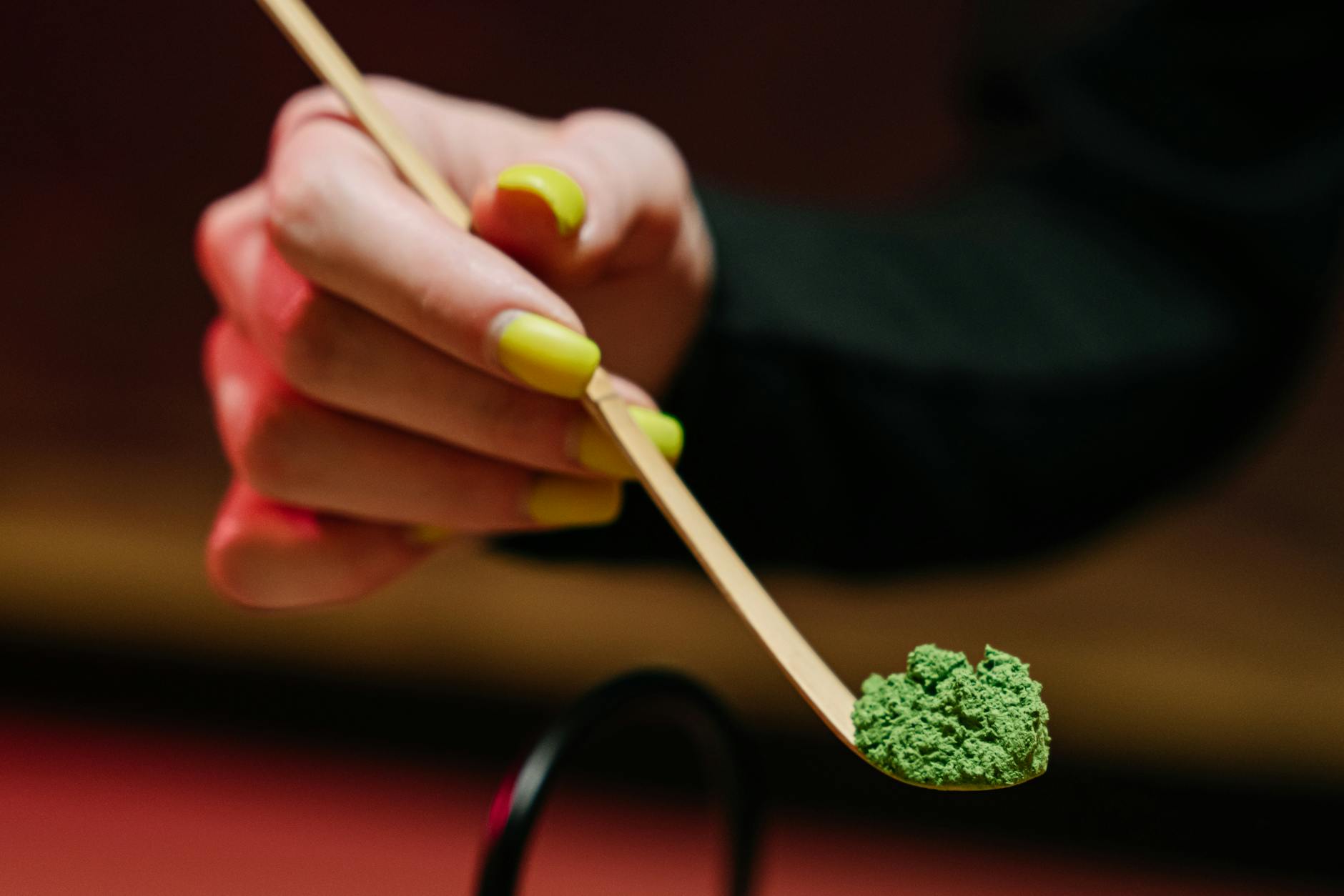
Japanese Matcha: From Tea Ceremony to Global Food Sensation
In 2023, matcha lattes beat flat whites in London’s specialty coffee shops. Australian cafes couldn’t keep up with demand for matcha soft serve. But this isn’t some new fad—that vibrant green powder has been part of Japanese culture for eight centuries. The internet just caught on. Now you’ll find it everywhere from fancy tiramisu to flaky croissants. Behind all those Instagram posts? A history deeper than any hashtag.
The Ancient Art of Matcha: From Zen Temples to Your Cup
Matcha started in 9th-century China, but Japan made it legendary. Buddhist monks used the powdered tea to stay alert during meditation. By the 1100s, it was essential to Zen practice. The ritual peaked centuries later with chanoyu—Japan’s formal tea ceremony that hasn’t changed since samurai times.
Here’s the thing: ceremonial matcha isn’t what’s in your latte. The good stuff grows shaded to boost flavor, gets hand-picked, then stone-ground into fine powder. You get sweetness and umami. The cheaper culinary-grade works for baking but would make a tea master cringe.
Details matter. In Japan, they obsess over regions like Uji (still the best), harvest timing, and techniques that can’t be rushed. This isn’t just tea—it’s centuries of knowledge in a bowl.
How Matcha Became a Global Obsession
The matcha boom took years. Health nuts first noticed its benefits in the 2000s—L-theanine for focus, antioxidants galore. Then Instagram found that perfect green color. The rest is history.
Starbucks added matcha lattes in 2013. Five years later, it was everywhere. Japanese producers struggled to keep up. Suddenly Tokyo’s soft serve trend hit Melbourne. New York bakeries put it in tiramisu. Korean brands slapped it on everything. A sacred tea became a lifestyle.
The crazy part? Even in lattes and desserts, that distinctive umami flavor still comes through.
Choosing and Using Quality Matcha at Home
Matcha isn’t all the same. Ceremonial grade (bright green, smooth) costs more but makes perfect lattes. Culinary grade (duller, cheaper) works fine for baking. You get what you pay for.
Store it right—airtight container, no light, cool spot. Use within weeks after opening. Japanese brands from Uji, Nishio or Yame? Usually your best bet.
Pro tip for lattes: sift first, whisk with hot (not boiling) water until frothy, then add milk. Same technique they’ve used in tea ceremonies for ages. Makes all the difference.
The Future of Matcha: Tradition Meets Innovation
Here’s the paradox: while most people treat matcha as just another superfood, Japanese masters still prepare it the old way. Both can exist. That’s the magic of this stuff.
Top chefs and coffee shops are catching on, using better quality matcha instead of treating it as a gimmick. It’s becoming like specialty coffee—people care about origin and preparation now.
Whether you’re drinking it in a Kyoto tea house or eating matcha ice cream in Sydney, you’re part of something special. An ancient tradition that somehow became modern without losing itself. Not bad for some green powder.