Tokyo
Tokyo Bangkok
 Seoul
Seoul Singapore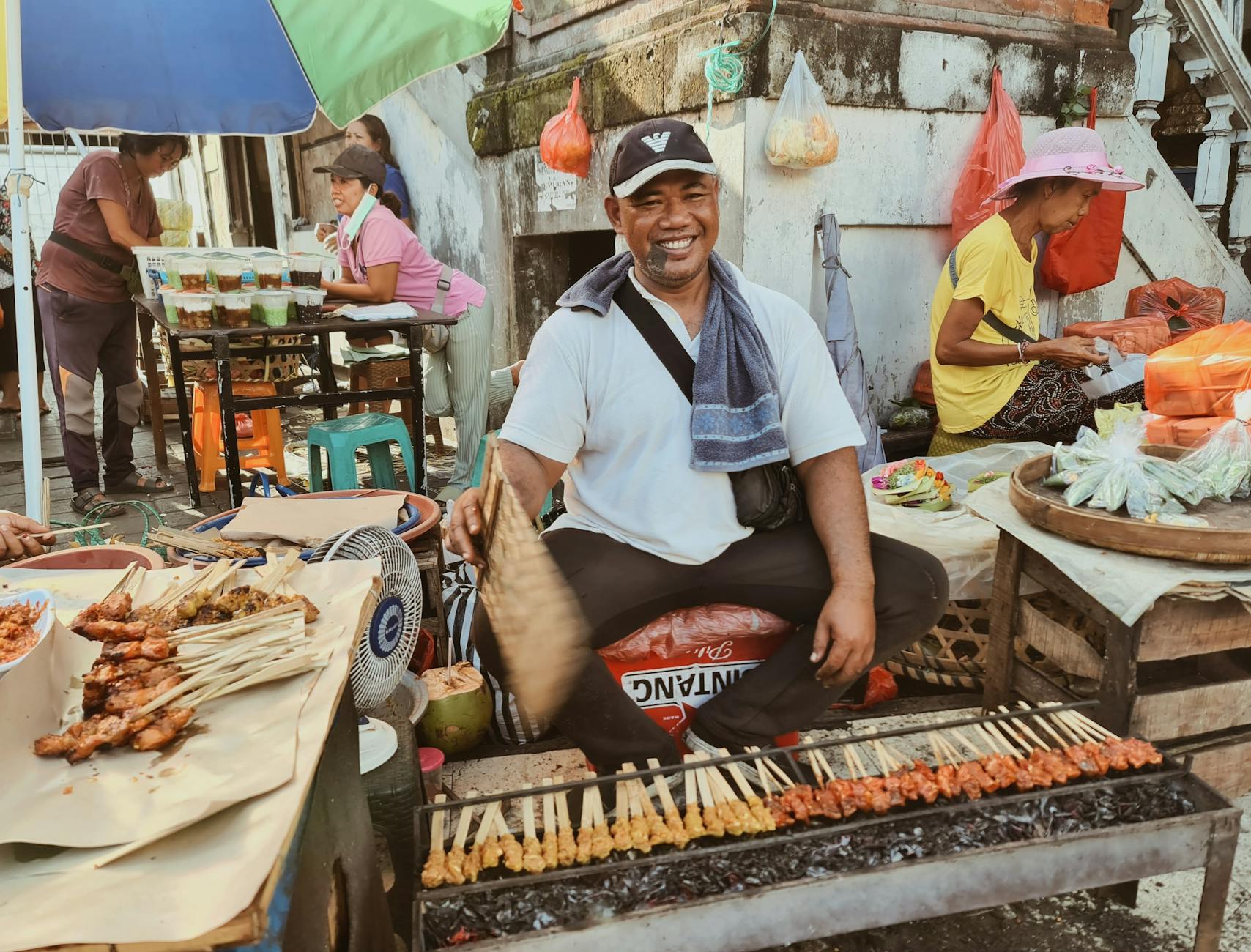
Bali’s Best Warungs: Where Locals Actually Eat in Nusa Penida

Bali’s Warung Scene: Why These Spots Are Blowing Up
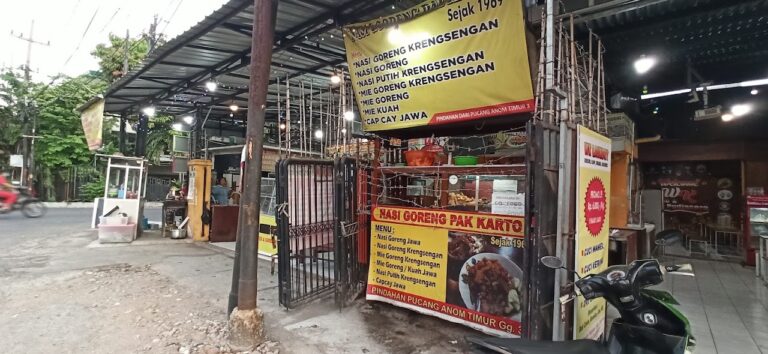
Bali’s moved beyond postcard beaches—it’s now where Southeast Asian street food gets real. Here’s the twist: skip Seminyak and Ubud. The magic happens in Nusa Penida and Nusa Lembongan, where warungs serve honest food for locals, not influencers. Two years of Google Maps reviews don’t lie: a dozen spots here nail near-perfect ratings, delivering killer meals without the markup.
5 Warungs Worth the Trip
Warung Jun: The Gold Standard (4.9★, 916 reviews)
On Jl. Raya Klumpu in Sebunibus, Jun sets the bar. Nearly a thousand reviews at 4.9 stars? That’s not luck—it’s skill. They’ve cracked the code: big crowds, zero drop in quality. No fancy plating, just flawless basics done right.
Warung Ten Poh Lembongan: Beachside Beast (4.9★, 735 reviews)
Right on Jln. Lebaoh Beach, this place proves location isn’t enough. You need killer seafood to match. 735 people agree—that view tastes better with perfect grilled fish.
Dhipa Warung: The Volume King (4.8★, 1,787 reviews)
Jl. Dream Beach hosts Bali’s busiest warung. 1,787 reviews at 4.8 stars? That’s moving serious plates without cutting corners. A machine that still cares.
Soka Warung: Steady Hands (4.8★, 1,520 reviews)
Over on Jalan Tamarind 2, Soka’s the tortoise to Dhipa’s hare. Same killer rating, slightly fewer reviews (1,520), same relentless consistency. No surprises—just great food, every single day.
Warung Tumpang Sari Lembongan: Small But Mighty (4.9★, 612 reviews)
Jungutbatu’s secret weapon. Fewer customers than the big guys, but 612 reviews at 4.9 stars? That’s precision over volume. Every plate matters here.
Why Bali’s Warungs Beat Other Street Food Scenes
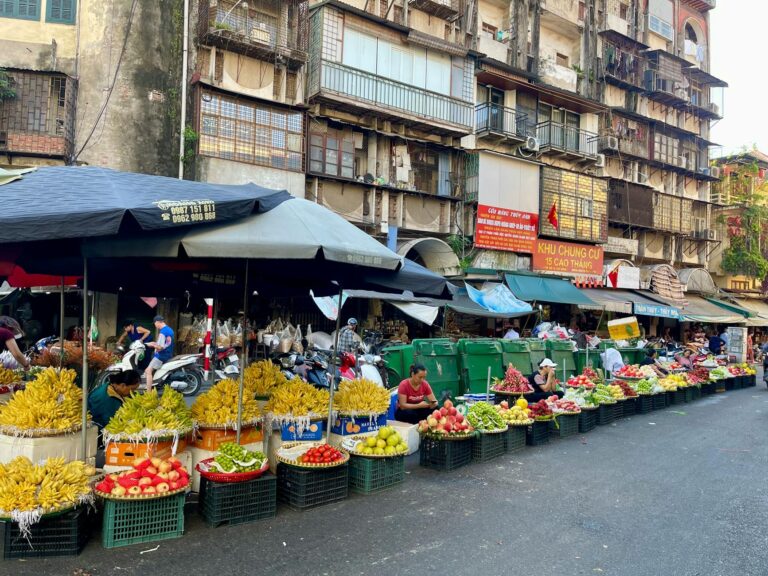
Island life changes the game. Ingredients cost more. Workers are scarce. Tourists come and go. Yet these spots keep prices low and quality high—something Bangkok or Singapore can’t pull off.
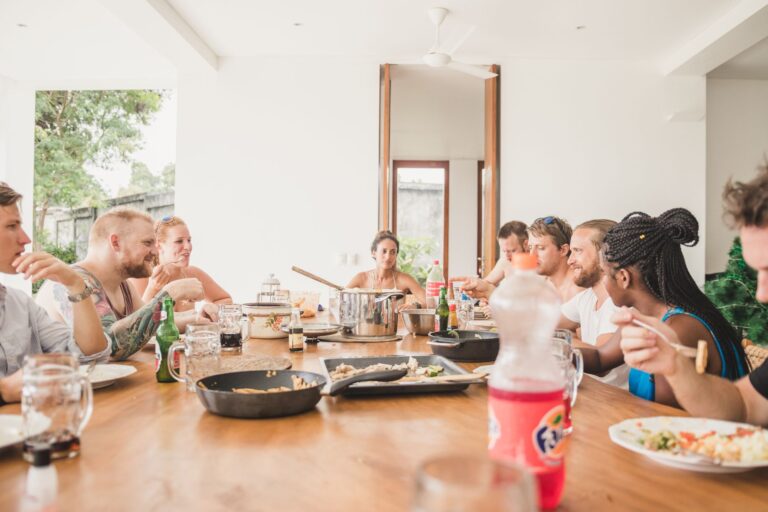
The crowd tells the story. Unlike cities where street food feeds tourists or office workers, Bali’s warungs serve everyone. Locals, expats, backpackers—all elbowing for the same plastic stools. If the food sucked, they’d know.
Menus play different too. No single legendary dish. Instead, they ace satay, fish, noodles—the whole spread. It’s about being reliably good across the board, not perfect at one thing.
How to Eat Like You Know What You’re Doing
Lunch is king. Hit warungs between 11 AM and 2 PM. Freshest ingredients, kitchen in the zone. Dinner’s riskier—they might be out of the good stuff.
Cash rules. Cards? Maybe. Probably not. Bring rupiah. Meals run 40,000 to 80,000 IDR ($2.50-$5). Cheap even by street food standards.
Menus won’t hold your hand. No English? Good. Point at what looks tasty or get your hotel to scribble dish names. They’ll get it.
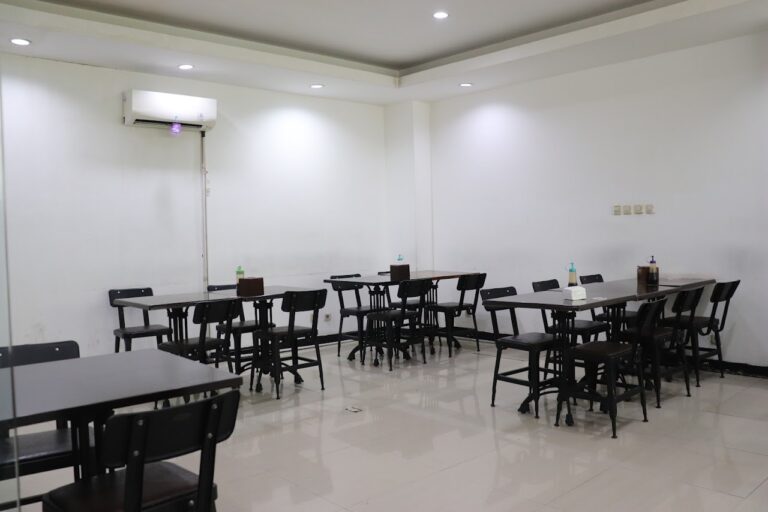
Embrace the plastic. Flimsy chairs, chipped plates, zero decor. That’s the charm. Your money buys flavor, not frills.
Why This Belongs on Your Radar
Bali’s warungs are the anti-trend: great food at real prices, no gimmicks. Not historic institutions—just places that feed people well, day after day. The numbers prove it: 10,000+ reviews averaging 4.7 stars or higher. That’s not viral hype. That’s doing the work.
Nusa Penida and Lembongan figured it out. Serve the community first, tourists second. Result? Better meals, smaller bills. Ditch the resorts. Grab a stool at Jungutbatu. Your stomach (and wallet) will thank you.