Tokyo
Tokyo Bangkok
 Seoul
Seoul Singapore
Make Authentic Galbi at Home: Korean Grilled Short Ribs
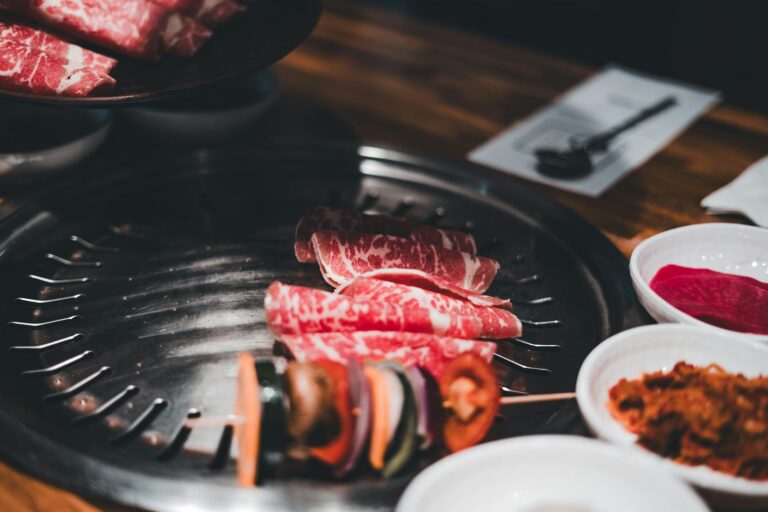
In Seoul, galbi isn’t some fancy restaurant dish—it’s what families grill on weeknights or neighbors bring to rooftop parties. Simple, everyday, and totally worth perfecting. These Korean beef short ribs get sliced thin across the bone, soaked in soy-based marinade, and grilled until crispy-edged and caramelized. Master the basics and you’ll make it all the time.
The Right Cut and Marinade That Works
First, get the cut right. You need galbi-style short ribs—thin slices about a quarter-inch thick, cut across the bone. Tell your butcher you need “galbi-cut” or “flanken-style” ribs. No substitutions. This cut cooks fast and absorbs marinade properly.
For the marinade: mix 1 cup soy sauce, ½ cup brown sugar, ¼ cup mirin (or honey), 6 minced garlic cloves, 1 tablespoon grated ginger, 2 tablespoons sesame oil, 1 tablespoon rice vinegar, and 1 teaspoon black pepper. Get the balance right—too sweet and it burns; too little sugar tastes bland. Stir until sugar dissolves. It should smell equally sweet, salty and garlicky. Too salty? Add more mirin.
Marinating (Don’t Overdo It)
Put ribs in a container or bag, pour marinade over them. Here’s the thing: skip the overnight marinade. 4-6 hours max. Longer than that and the meat turns mushy from the soy sauce. Past 8 hours? You’ll lose that perfect texture.
Pull ribs from fridge 30 minutes before grilling—this step matters. Cold meat cooks unevenly. Pat them dry before grilling to prevent steaming and help get that crispy char. Keep leftover marinade separate for glazing later.
Grilling Right
Get your grill screaming hot—450-500°F. Charcoal users: wait until coals are white-hot. Lay ribs on the grill and don’t touch them for 2-3 minutes. That’s when the magic happens. Flip once, cook another 2-3 minutes. You want dark, caramelized edges with slightly springy meat.
In the last minute, brush reserved marinade on both sides for that glossy finish. Let rest 3 minutes before serving. Eat them Korean-style: wrap in lettuce with garlic slices, red chili paste, and rice. One-bite perfection. Simple? Yes. But every step counts.