Tokyo
Tokyo Bangkok
 Seoul
Seoul Singapore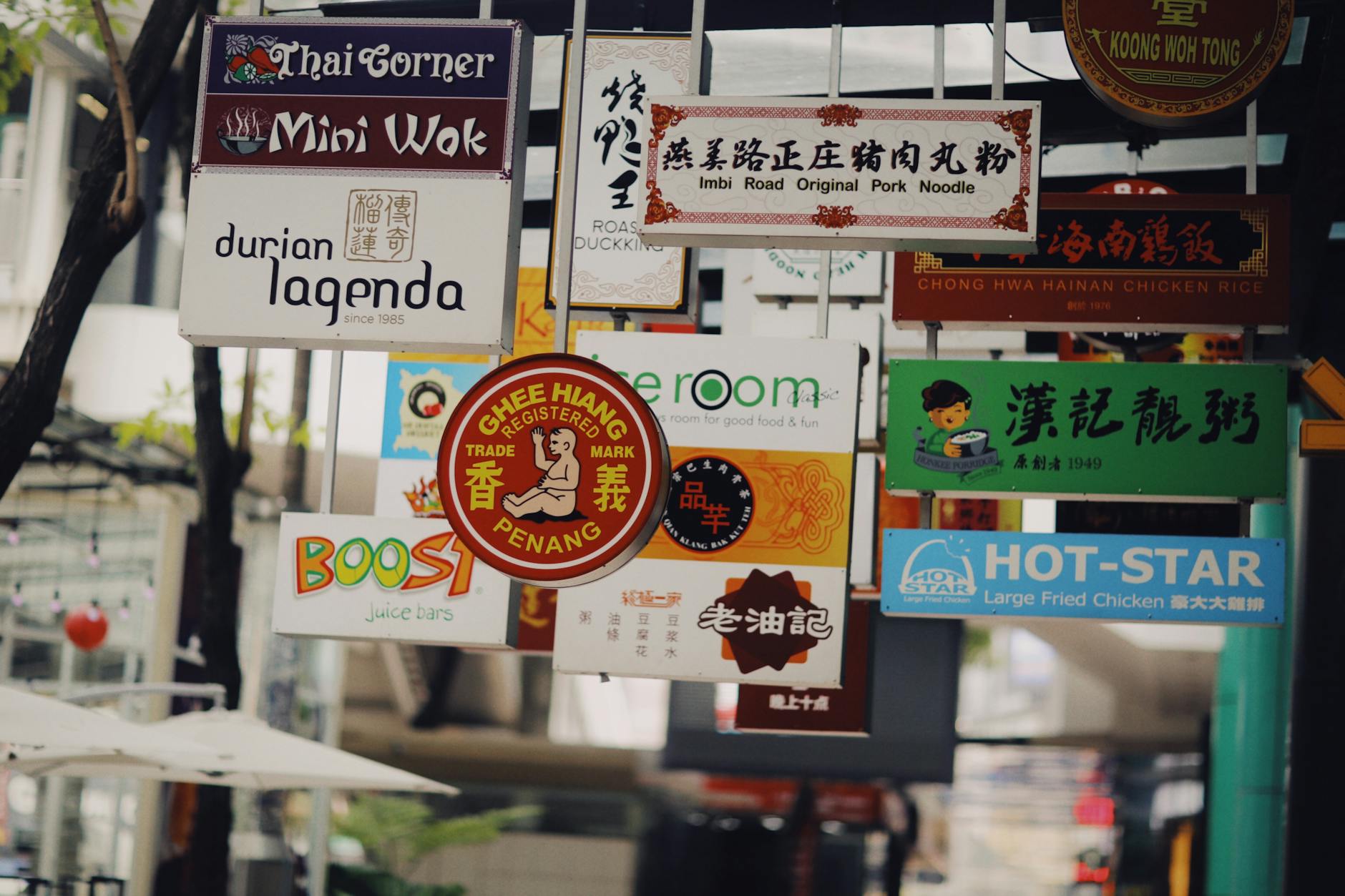
Why Penang’s Hawker Stalls Beat Malaysia’s Other Food Cities
A hawker at Gurney Drive split a coconut with one swift machete chop, then poured the fresh milk straight into his laksa broth—no measuring cups, no hesitation. Thirty years of practice makes every move automatic. That’s when you realize Penang isn’t just good at street food. It’s where skill meets instinct, where vendors command the same respect as master chefs.
The Geography That Built a Food Culture
Penang’s history as a trading port shaped its food DNA. Perched on the Strait of Malacca, the island absorbed Chinese, Indian, and Malay cooking styles all at once—not one after another. This isn’t fusion. It’s real overlap. Georgetown’s cramped alleys are packed with stalls that haven’t moved in generations, each perfecting just one or two dishes. Kuan Kee in Lebuh Chulia runs on two woks, Ipoh soy sauce, and strict four-portion batches. Nearby stalls selling popiah, oyster omelettes, and Hokkien mee work with the same razor focus. When this many experts cluster together, competition breeds excellence.
Technique Matters More Than Recipes Here
Penang’s edge isn’t secret ingredients—it’s how they’re handled. Take assam laksa. The broth needs tamarind, sure, but timing is everything. Fish stock simmers for hours, tamarind paste hits the pot at just the right moment, noodles cook fresh per order. At Penang Road Market, one vendor worked through a lunch rush without rushing. Every bowl got the exact broth amount, perfectly arranged fish cakes, a confetti of herbs. That’s standard here. Fast doesn’t mean sloppy. Prawn mee shows the same care—most places use one broth, but Penang vendors layer three (prawn, pork rib, chicken). They taste and adjust constantly, never chained to a recipe.
Why Penang Vendors Treat Food Differently
When Georgetown became a UNESCO World Heritage Site in 2008, something changed. Suddenly, hawker culture wasn’t just lunch—it was history worth preserving. Near the Cheong Fatt Tze Mansion, one woman still makes chili paste the old way: sun-dried chilies, stone mortar, thirty years of muscle memory. She skips food processors not for tradition’s sake, but because the texture affects how sauce clings to noodles. That mindset is everywhere here. Recipes get written down now. Younger generations train properly. Consistency isn’t an accident.
Want to cook Malaysian food? Penang proves mastery means doing one thing right, then repeating it daily. Try the same dish at five stalls—the differences will show you why this island tops Malaysia’s food scene. Not through gimmicks, but through stubborn, skilled repetition.