Tokyo
Tokyo Bangkok
 Seoul
Seoul Singapore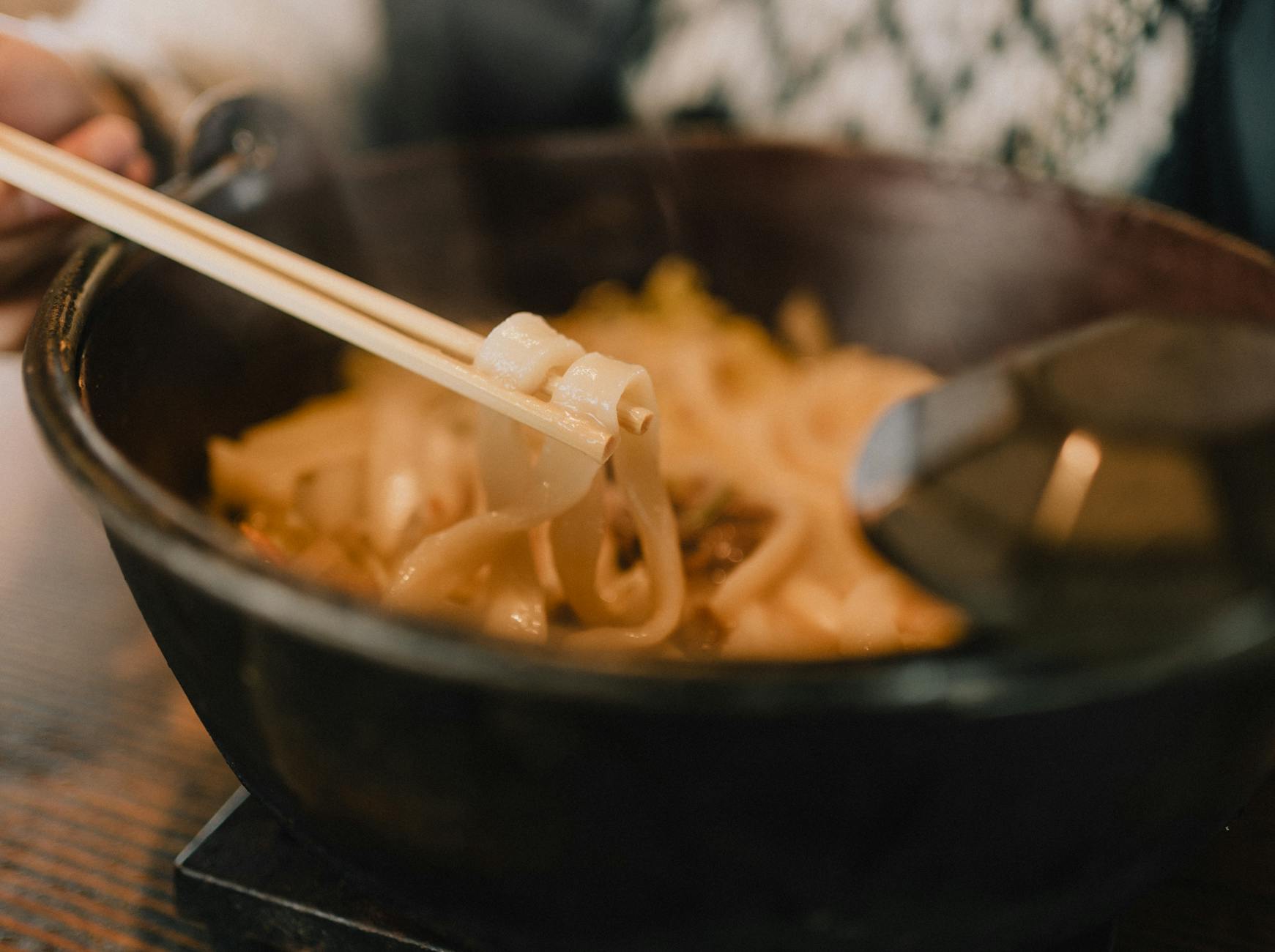
Bun Bo Hue: Vietnam’s Spicy Beef Noodle Soup Explained

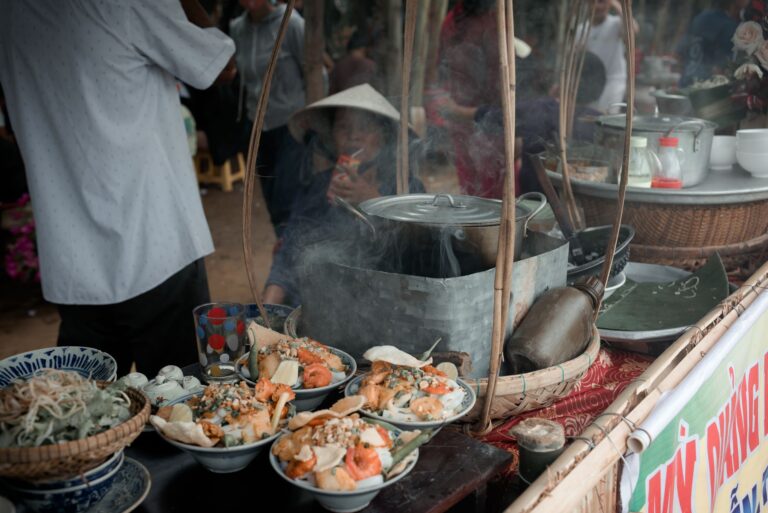
The scent of bun bo hue stopped me in my tracks. At 6 a.m. in Hue’s Dong Ba Market, the air smelled nothing like gentle pho—this was punchy, unapologetic. Charred lemongrass. Funky shrimp paste. Pork fat sizzling in a cast iron pot. A woman ladled crimson broth over thick noodles, dropping in a slice of something dark purple. No clue what it was. I sat down anyway.
That bowl rewired my brain about Vietnamese soups. While pho conquered menus worldwide, bun bo hue stayed under the radar. Not because it tastes worse—because it’s wilder. Spicier. More demanding. That’s the point.
The Dish That Refuses to Be Polite
Bun bo hue doesn’t do subtle. The broth simmers for hours with beef bones, pork knuckles, and lemongrass blackened over flames. The result? A smoky, sweet, mahogany liquid. Then comes the shrimp paste—funky, briny, zero apologies.
The noodles are thick and chewy, built to handle the heavy broth. But the real showstoppers float on top: braised beef, yes, but also congealed blood cakes. That purple-black slice? Pork blood cake (tiet canh). It soaks up broth like a sponge. Not for everyone, but essential.
Why Hue Made It Differently
This soup comes from Hue, Vietnam’s old imperial capital. The city’s cuisine plays by different rules—bolder, spicier, less restrained than northern cooking. Geographically sandwiched between north and south, the soup mirrors that: pho’s complexity meets southern heat.
American soldiers discovered it during the Vietnam War, but unlike pho, bun bo hue never went global. Too weird. Too specific. That blood cake freaks people out. Their loss.
How to Actually Eat It
First rule: don’t stare. Break up the blood cake—it’ll crumble into the broth. Grab noodles with chopsticks, drag them through, pair with beef. The heat creeps up. By bite three, you’ll feel it.
Finish with herbs—Thai basil, saw-leaf, cilantro—and a lime squeeze. They cut through the richness. Most places serve veggies on the side: lettuce, cucumber, extra herbs to toss in as you go.
In Hue? Hit Dong Ba Market at dawn. Stateside? Try central/southern Vietnamese spots, but quality’s hit-or-miss. Or make it yourself—the broth takes hours, but pays off. Pho still rules, but bun bo hue carves its own space.