Tokyo
Tokyo Bangkok
 Seoul
Seoul Singapore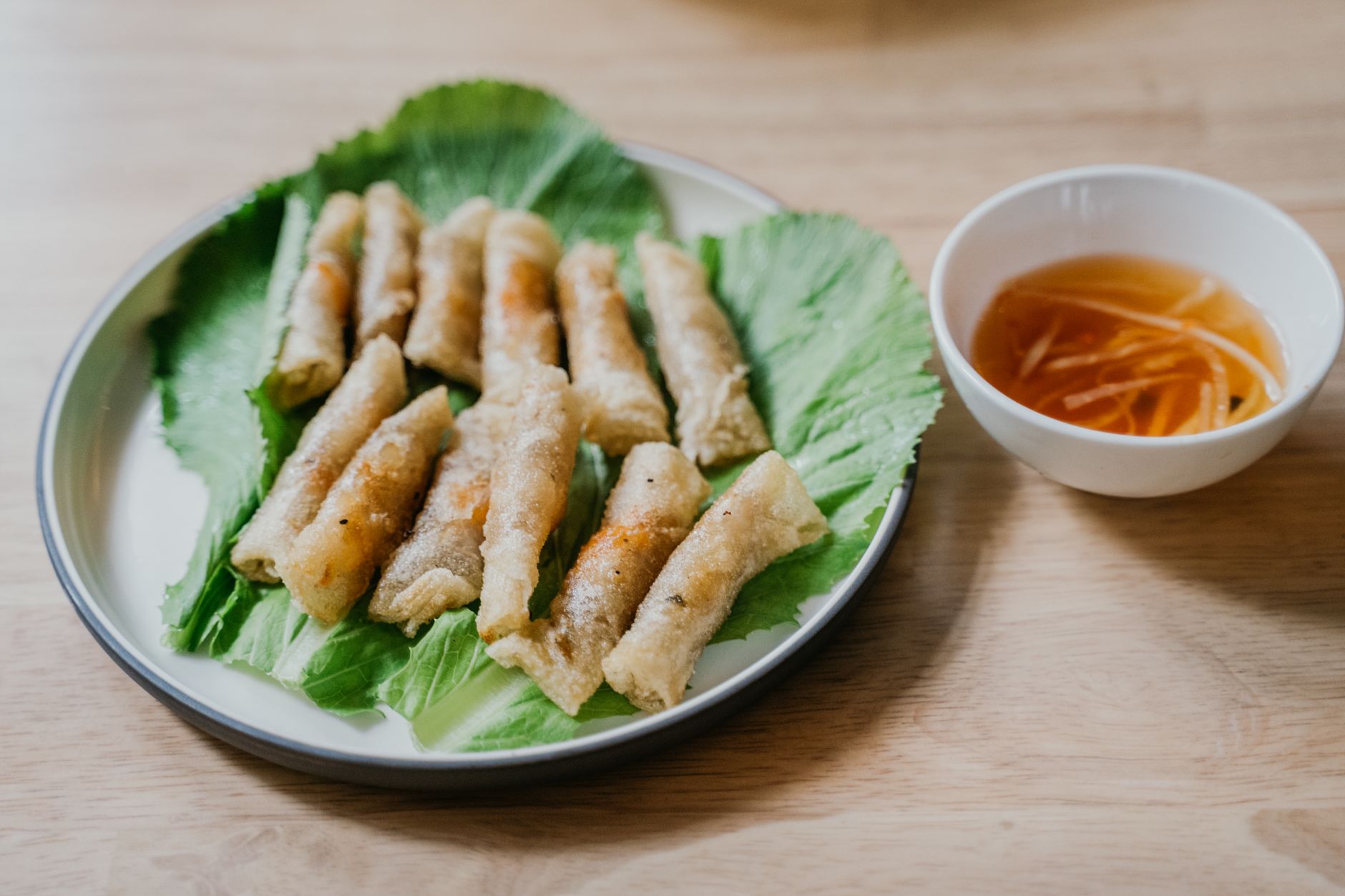
Vietnamese Food Is Taking Over TikTok—Here’s Why

Vietnamese Food Is Taking Over TikTok—And It’s Not Just a Trend
The #vietnamesefood hashtag just hit 7.7 billion views on TikTok. Let that sink in – that’s more views than there are people on the planet. But this isn’t just another flash-in-the-pan food trend. Vietnamese cuisine on TikTok shows how people worldwide are discovering real food culture.
The numbers are wild, but the real story? What creators are filming and why millions can’t look away.
The Creators Driving Vietnamese Food Virality
Take @_paulydeez, who has 11K followers. Their 32-second “SAUCE QUEEN” pho prep video racked up 16.9 million views. Short, sweet, and straight to the point – no lengthy tutorials here.
Then there’s the heavy hitters. @biteswithlily (3.4M followers) filmed a banh mi crawl through Ho Chi Minh City that got 2 million views. @andrea lopez’s mukbang-style video? 6.7 million views. These aren’t niche accounts – they’re mainstream creators with global audiences.
@Vince built his 1.3M-follower channel around his grandma cooking traditional dishes. Her banh xeo video hit 3.9 million views. Another showing banh bot loc and banh mi xiu mai? 4.1 million. People can’t get enough of these intergenerational cooking sessions.
What’s Actually Going Viral: The Content Breakdown
Vietnamese food TikToks fall into a few clear categories.
Mukbang and eating shows crush the view counts. @andrea lopez’s food challenges and @Vince’s grandma videos run longer than typical TikToks (60-100+ seconds) but still pull millions of eyeballs.
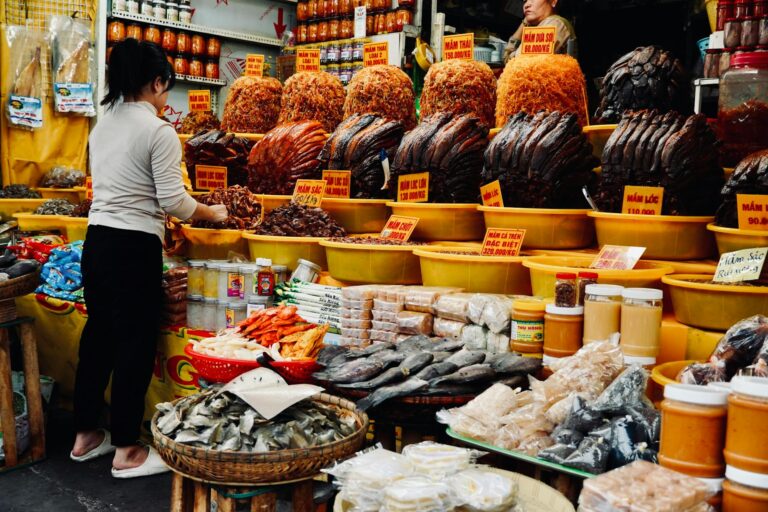
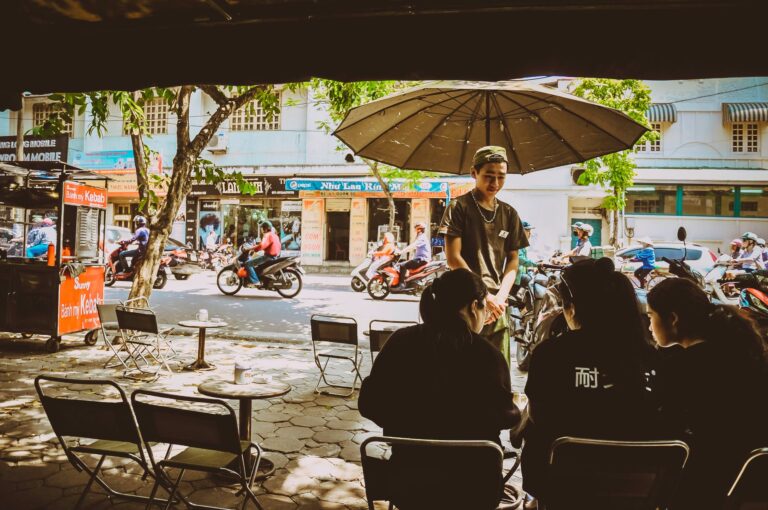
Street food spots do numbers too. @Best Ever Food Review Show’s 36-second clip on Vietnamese grilled street food got 3.1 million views. @biteswithlily’s banh mi tour? Basically a GPS for good eats in Ho Chi Minh City.
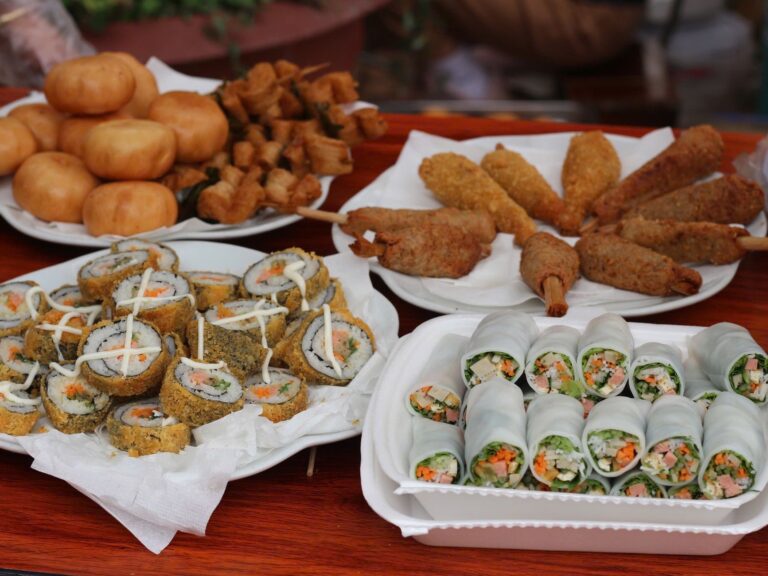
Dish deep-dives work surprisingly well. Banh mi, pho, banh xeo, chả giò – each gets their viral moment. @nuocmamafoods’ 164-second chả giò video sparked fiery comments about regional names while pulling 2.2 million views.
Notice what’s missing? Overproduced “hack” videos. The winners keep it real.
What Viral Vietnamese Food Tells Us About Real Trends
This TikTok boom reveals some truths about global food culture. First, location matters. People don’t want generic “Vietnamese food” – they’re searching for Saigon banh mi or Hanoi pho.
Second, family beats fancy. @Vince’s grandma videos outshine slick restaurant reviews every time. Real beats polished.
Third, sauce is serious business. That “SAUCE QUEEN” title wasn’t clickbait. Vietnamese cooking’s complex flavors and fish sauce alchemy have become TikTok catnip.
Using TikTok to Find Actual Good Vietnamese Food
Heading to Vietnam in 2025? TikTok might be your best food guide. Here’s why: the algorithm favors authenticity. If @Vince’s grandma or @biteswithlily tags a spot, it’s probably legit.
Search specific dishes with location tags. Follow Vietnamese creators – their recs carry weight. And read those comments – the heated debates about authenticity are pure gold.
Why TikTok Has Become the Honest Food Platform
Instagram’s about pretty plates. YouTube’s about watch time. But TikTok? It rewards what actually interests people – which means real technique, surprising flavors, and honest reactions.
Vietnamese food fits perfectly. It’s complex, regional, and nearly impossible to fake well. No wonder it’s thriving.
7.7 billion views later, Vietnamese food on TikTok isn’t trending – it’s proving people crave real, specific, authentic food culture. The numbers don’t lie.