Tokyo
Tokyo Bangkok
 Seoul
Seoul Singapore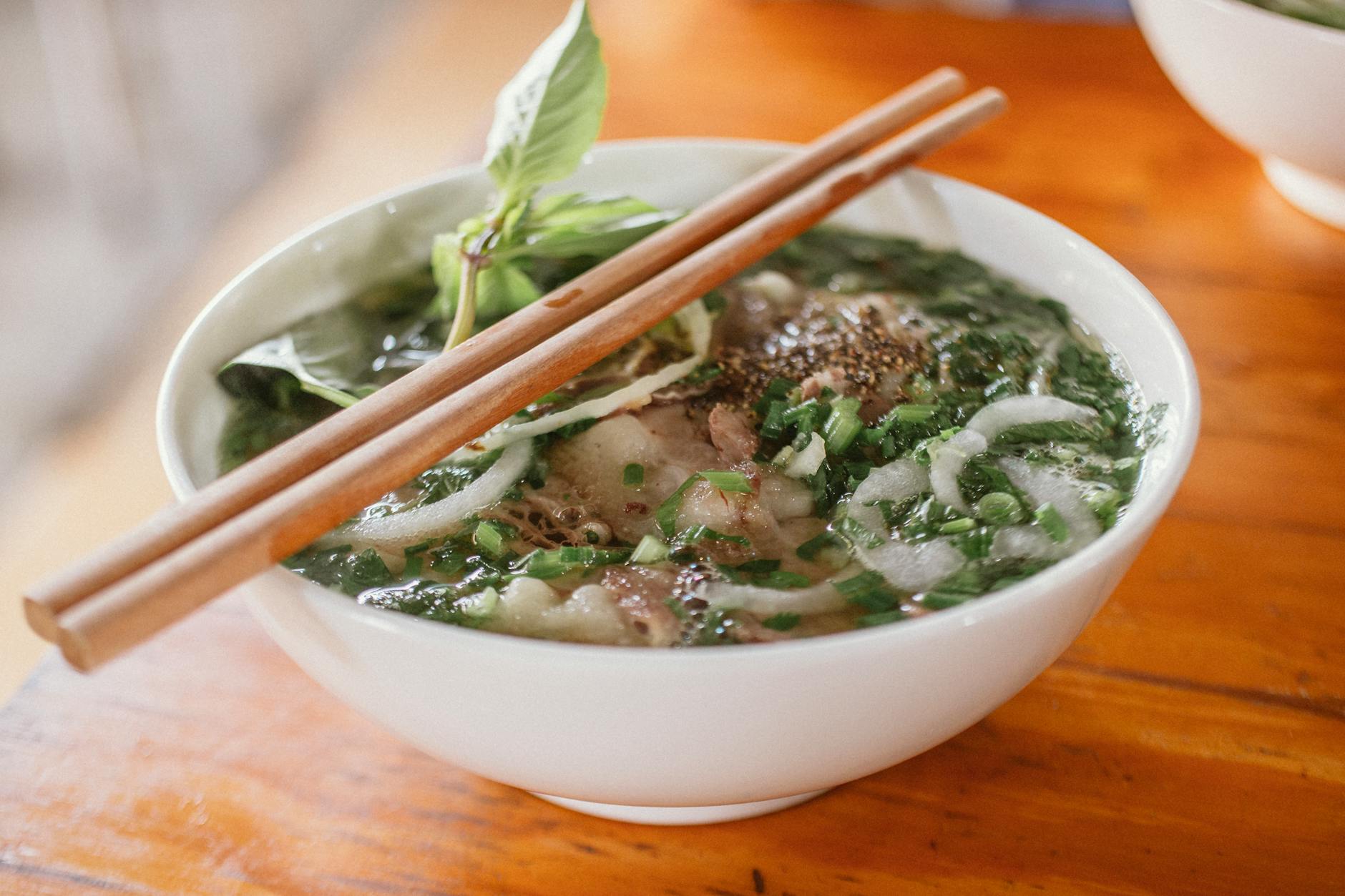
Canh Chua: Vietnam’s Sour Soup That Outshines Pho

When French colonists reached the Mekong Delta in the 1800s, they tasted something unexpected: a soup so sour it made them wince. Locals called it canh chua—a dish perfected over generations in Vietnam’s floating markets and tangled waterways. The French missed the point. That sharpness wasn’t a mistake. It was the soul of the dish, a careful dance between tart tamarind, savory fish, and the slow burn of chilies.
The Mekong’s Best-Kept Secret
Canh chua belongs to the Mekong Delta, especially around Can Tho and Vinh Long. Here, rivers and fish farms created a cuisine worlds apart from northern Vietnam. Pho went global. Banh mi conquered cities. But canh chua stayed local—so tied to the delta that many Vietnamese outside the region barely knew it. The soup makes sense here. Brutal heat meets tamarind’s bright punch. In Can Tho, vendors still start before sunrise, simmering fish bones for hours. Being ignored by the mainstream saved it. No watered-down versions. No shortcuts. You’ll find it in diaspora restaurants from Houston to Melbourne, but most Westerners still don’t know it exists.
Sour, Savory, and Totally Intentional
Three things define canh chua: tamarind (paste or fresh pods), fish stock (catfish or snakehead), and treating sourness like a precision tool. Tamarind delivers the zing, fish sauce grounds it, and pineapple—yes, pineapple—adds another layer of acid, not sweetness. Veggies depend on what’s around: okra, tomatoes, whatever’s fresh. Timing is everything. Dump in tamarind too soon, and it’s flat. Too late, and the flavors don’t blend. Cooks tweak constantly—more stock, a dash of sugar—until it clicks. Served with herbs on the side, so everyone can adjust the balance.
Why It’s Having a Moment
For years, Western restaurants skipped canh chua. Sour equaled risky. Safe bets like mild pho won. Not anymore. Fermented foods rule now. Diners crave bold, complex flavors. Younger eaters chase heat and funk. Suddenly, canh chua seems ahead of its time. Vietnamese cooks in Sydney or Toronto never stopped making it. Now chefs are putting it on menus as a badge of authenticity. This isn’t pho, tweaked for tourists. It’s unapologetic. Rooted in one place. Not asking for permission.
Never tried it? Hit a southern Vietnamese spot, or grab tamarind paste and make it yourself. Go easy on the tamarind at first—you can amp it up later. Canh chua won’t go viral. And that’s why it matters.