Tokyo
Tokyo Bangkok
 Seoul
Seoul Singapore
Why Vietnamese Food Is the World’s Healthiest Cuisine

Vietnamese food pulls off something rare: it’s packed with flavor but still genuinely good for you. No hype here. It comes down to a cooking tradition built on broths, fresh herbs, and smart restraint—not heavy creams or butter.
The Broth That Makes It All Work
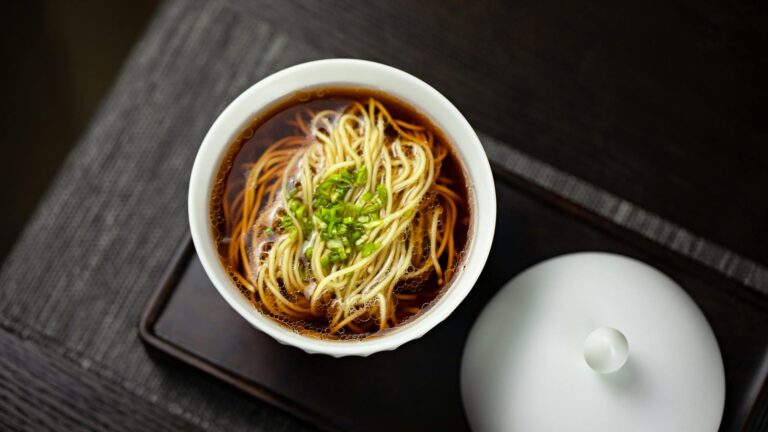
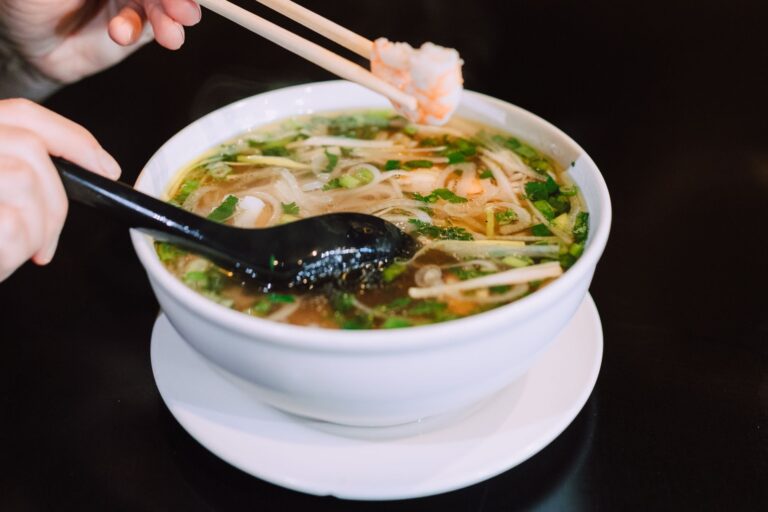
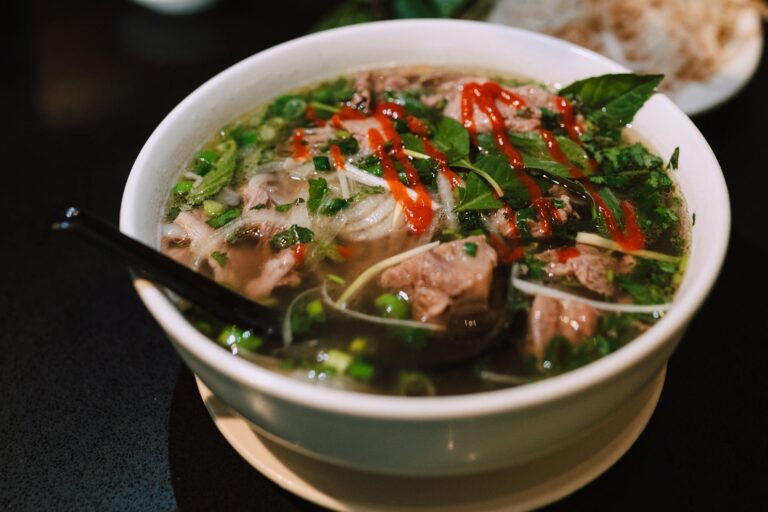
Pho broth is the secret. A real batch simmers for half a day or more—just beef bones, charred onion, ginger, and spices like star anise and cinnamon. The slow cook pulls out collagen, minerals, and amino acids into something clear and nutrient-rich. French stocks often lean on fat for thickness. Vietnamese broth gets there with patience and bones alone.
That collagen helps joints. The minerals—calcium, magnesium, phosphorus—are easier for your body to use than pill supplements. One bowl packs 15-20 grams of protein for under 300 calories. This broth-first approach shows up everywhere: in canh (clear soups), cháo (congee), even bún (noodle broths). All light, all nutrient-dense.
Real pho broth doesn’t hide anything. Skip places that add MSG or bouillon cubes. The best spots in Hanoi’s Old Quarter or Ho Chi Minh City’s District 1 serve broth that tastes purely of bones—clean and mineral-heavy, never murky.
Herbs: The Fresh Fix
Vietnamese dishes arrive unfinished. Every bowl comes with a side plate of raw herbs—Thai basil, cilantro, mint, sawtooth coriander—for you to rip up and toss in. This isn’t garnish. It’s functional.
Thai basil has anti-inflammatory eugenol. Cilantro helps digestion and might flush heavy metals. Mint cools you down and helps breathing. Vietnamese cooks knew this long before science caught up: cooking kills some nutrients in herbs. Serving them raw keeps their power intact.
That herb plate also puts you in control. Want your bún bò Huế (spicy beef noodle soup) lighter or more herbal? Add more mint or less. Most cuisines don’t give diners this much say. It shows trust in your taste.
Oil? Just a Dash
Vietnamese cooking uses oil like a punctuation mark—not the whole sentence. Thai food leans on coconut milk. Chinese stir-fries need lots of oil. Vietnamese dishes build flavor through fish sauce, lime, chili, and herbs instead.
A typical Vietnamese dish has 5-8 grams of fat per serving. Thai or Chinese versions often hit 15-25 grams. Grilled fish gets a light oil brush, never a swim. Veggies get a quick, hot stir-fry with just enough oil to keep things moving. Even fried items like bánh mì or spring rolls focus on crispness, not grease.
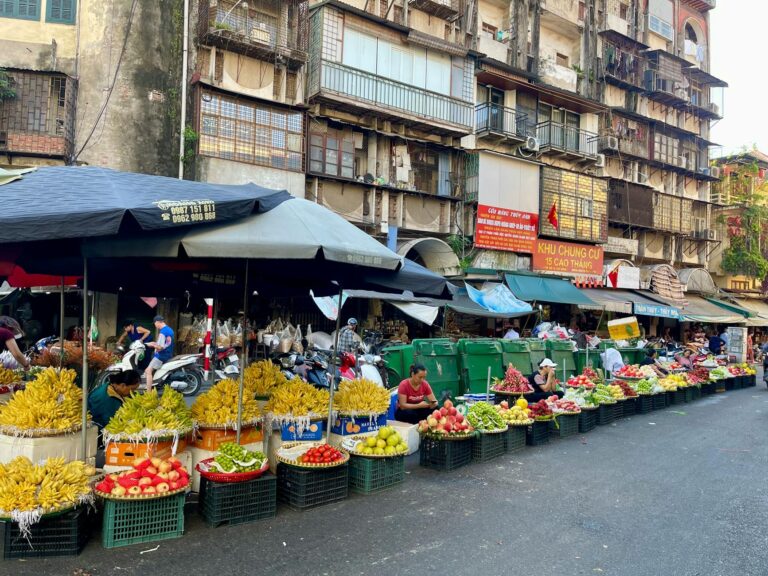
Geography shaped this. Vietnam’s coast meant plenty of fresh seafood. Its climate gave year-round herbs and veggies. Cooking fat was pricey, so the cuisine learned to highlight what was cheap and plentiful: fish sauce, citrus, greens, and time. The result? Food that tastes bright and leaves you feeling light.
Not All Vietnamese Food Is Created Equal
Western Vietnamese restaurants often miss the point. Bánh mì drowns in mayo. Pho broth gets bulked up with cornstarch. Spring rolls fry in old oil. Vietnamese-American spots, especially in strip malls, often over-sugar things and swap fresh herbs for dried.
For the real deal, follow Vietnamese families. Hit neighborhoods like Westminster, California; Cabramatta, Sydney; or Hackney, London. Order pho early when the broth’s freshest. Ask for extra herbs. Pick grilled over fried. The health perks only kick in if the kitchen cares.
Try a bowl of pho from a place that started its broth at dawn. Taste how real broth differs from the shortcut stuff. Pile in herbs. You’ll learn more about eating well from this one meal than any diet guru.