Tokyo
Tokyo Bangkok
 Seoul
Seoul Singapore
Vietnamese Street Food Philosophy: Why Balance Beats Bold Flavor

You’ve read a dozen articles praising Vietnamese food—fresh herbs, bold flavors, perfect balance. But none tell you what that actually means when you’re staring at a bánh mì cart at dawn, $2 in hand, wondering what you’re about to eat.
Vietnamese street food isn’t some lofty culinary theory. It’s practical. Carts serve food designed to taste good at any temperature, use ingredients that spoil fast in the heat, and cost almost nothing to make. Once you get that, you’ll eat differently.
Vietnamese Food Thrives on Contrast, Not Just Flavor
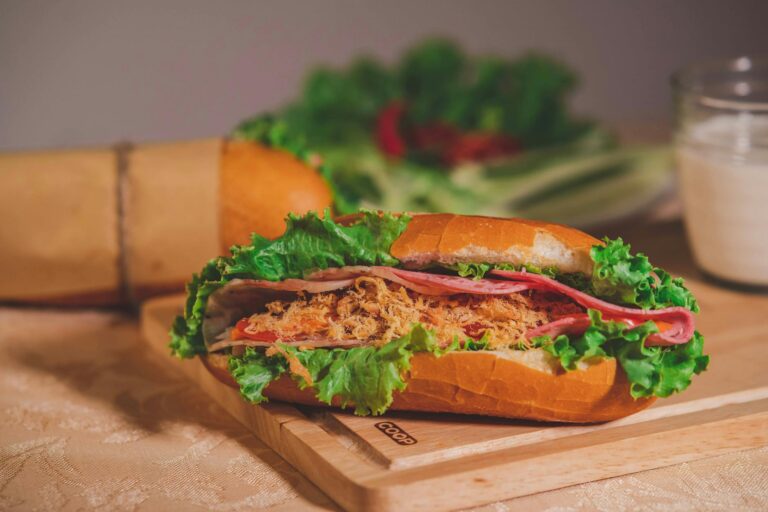
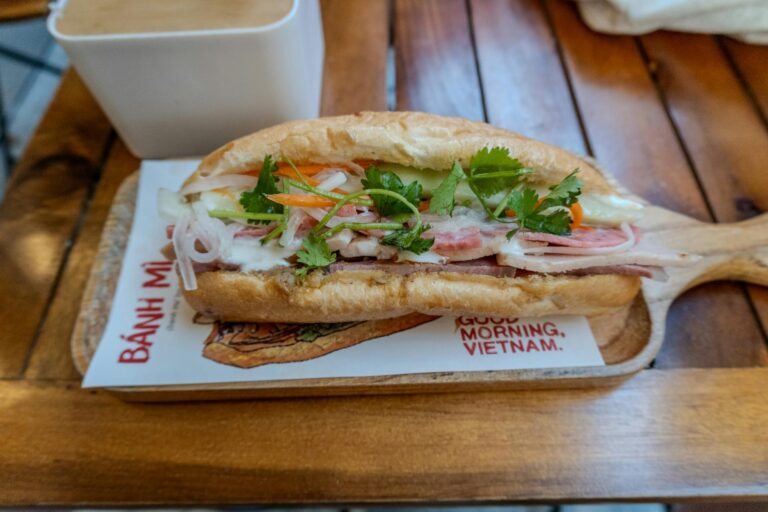
The magic of Vietnamese street food isn’t about complexity. It’s about sharp contrasts in every bite. A bánh mì delivers crispy bread, creamy pâté, tangy pickles, fresh herbs, and spicy chilies—all distinct, nothing muddled. No single element tries to do it all.
This matters because the food is meant to be eaten immediately. Wait 20 minutes, and the bread turns soggy. The herbs wilt. The pickles soften. That’s why the best carts always have lines—speed is part of the recipe, not just hype.
Some restaurants ruin it by overthinking. They plate it fancy. Serve it lukewarm for looks. Add unnecessary ingredients. The whole point gets lost. Real Vietnamese street food tastes best standing up, napkins in hand, while it’s still warm.
Where to Find the Real Deal: Hanoi’s Phở Streets and Saigon’s Bánh Mì Carts
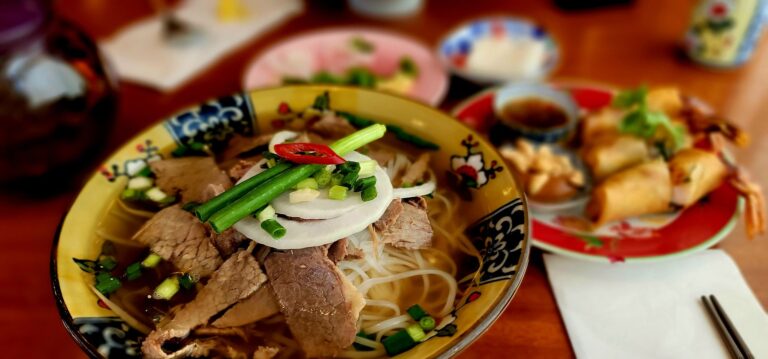
In Hanoi, hit Phở Ga Street (Phố Gà) in the Old Quarter before 8 a.m. A row of carts sells nothing but phở gà—chicken phở. Get a small bowl. The broth started at 4 a.m. The chicken is tender, not boiled to death. The noodles were made that morning. No chairs. No frills. Just $1.50 for the real thing.
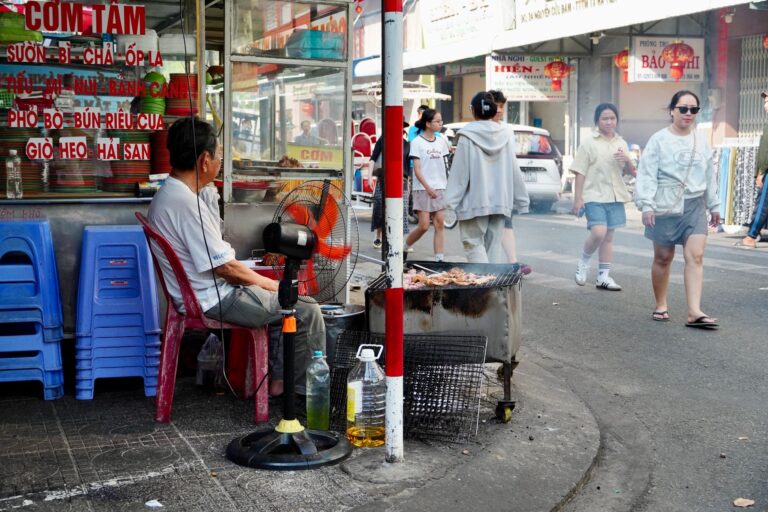
In Ho Chi Minh City, bánh mì carts pack the area near Ben Thanh Market and Nguyen Hue Walking Street. The good ones keep it simple: pâté, head cheese, pickles, cilantro, chilies. The bread comes from a nearby bakery. The vendor’s probably been there a decade. Go at lunch—11 a.m. to 1 p.m.—when the bread is freshest.
For spring rolls (gỏi cuốn), find a stall where they’re rolled to order. Watch the rice paper get dipped, the herbs arranged, the rolls assembled. Prerolled ones under plastic? Skip them. The paper turns rubbery, the herbs fade. Eat two fresh ones on the spot, and you’ll get it.
The Unwritten Rule: Freshness Isn’t About What You See
Street vendors don’t rely on refrigerators. Ingredients move fast—bought in the morning, gone by afternoon. A cart selling 200 bánh mì by noon doesn’t need a cooler. The pâté’s been out for hours, but so have 150 customers who already ate it.
Don’t judge by looks or temperature. Judge by crowds. Busy cart? Eat there. Empty at peak hour? Walk away.
Here’s what most guides miss: balance is your job. You tweak the fish sauce, lime, chilies. A phở that seems bland until you add lime and chili isn’t bad—it’s waiting for you to finish it.
What to Do Next
Find a bánh mì cart with a line. Order the standard (usually bánh mì thịt or bánh mì pâté). Eat it standing up within minutes. Don’t overanalyze. The point isn’t some grand story—it’s the crunch, the heat, the fact it costs pennies because it’s made for hungry people who won’t wait. That’s all.