Tokyo
Tokyo Bangkok
 Seoul
Seoul Singapore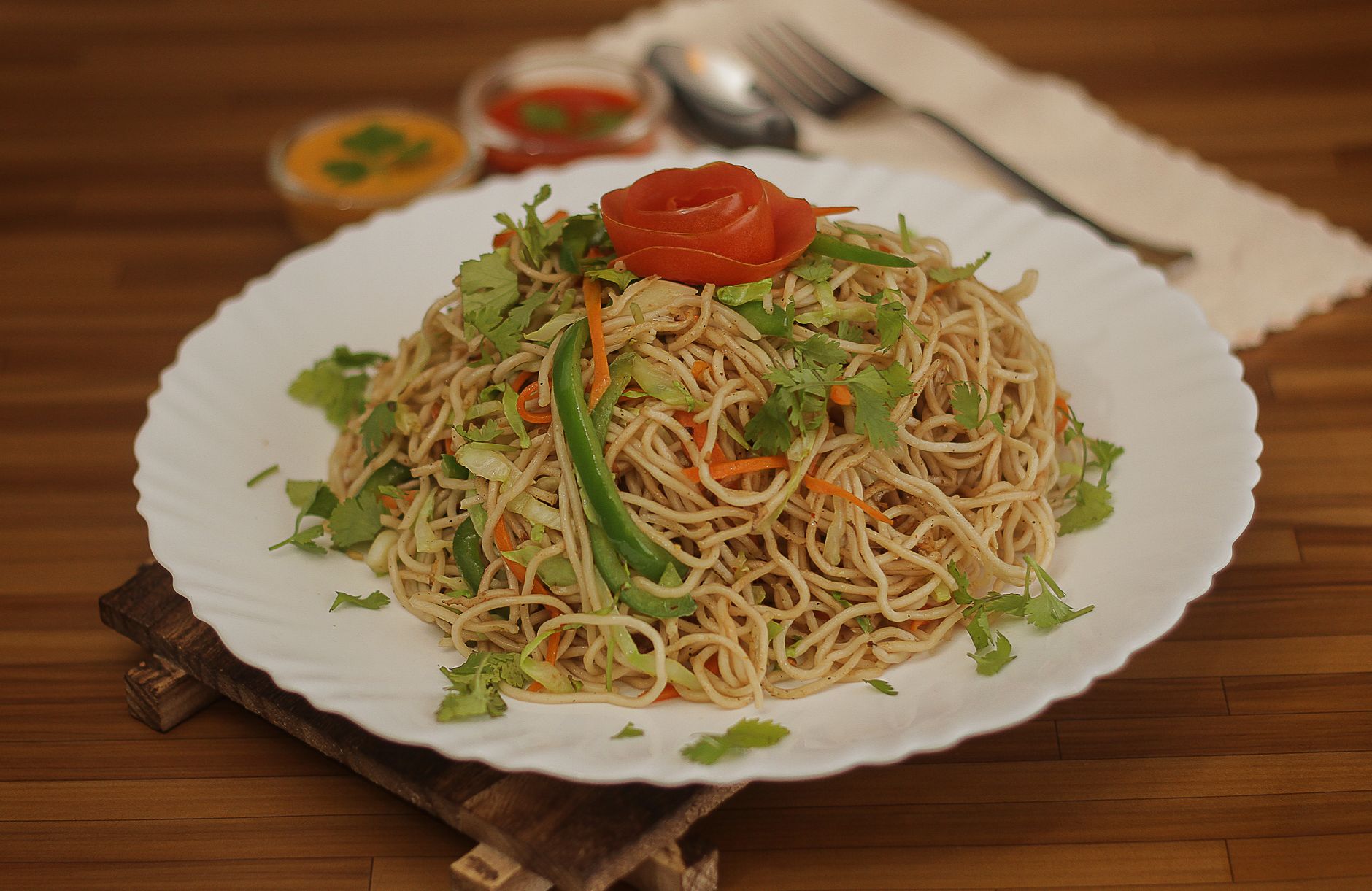
Chow Mein Mastery: Regional Variations & Technique

Chow mein isn’t that greasy takeout dish you’re picturing—it’s actually way more interesting. This is Chinese home cooking at its best: simple techniques that make noodles shine. Get this right, and you’ll understand how dozens of other dishes work.
The Wok Technique That Changes Everything
Good chow mein comes down to one thing: the wok. That sizzle you hear when ingredients hit the pan? That’s “wok hei” in action. It’s not magic—just science. Super high heat creates flavors you can’t get any other way.
Here’s a pro tip: use day-old noodles. Fresh ones turn mushy. Guangzhou chefs swear by tossing them with a bit of oil first. Season lightly at the end—just enough soy sauce and oyster sauce to coat everything. Your stove matters more than fancy ingredients. A basic carbon steel wok and strong burner beat premium groceries every time.
Cantonese Chow Mein Versus Northern Approaches
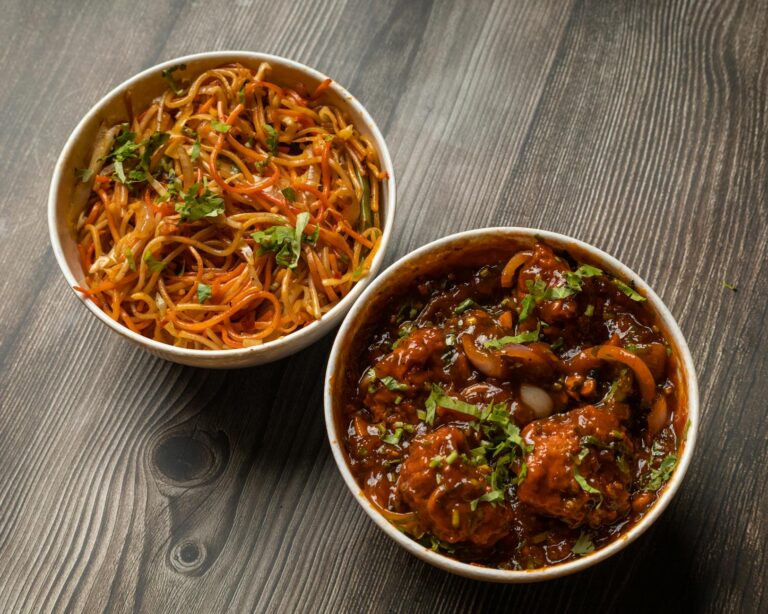
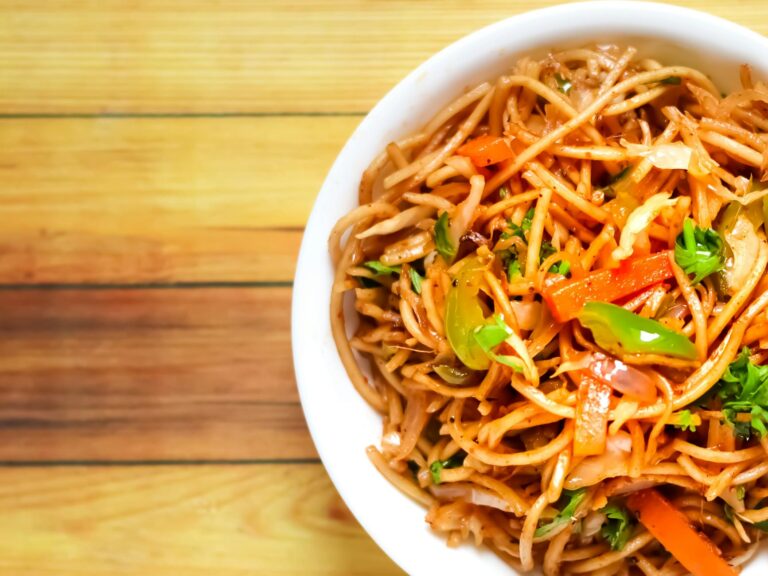
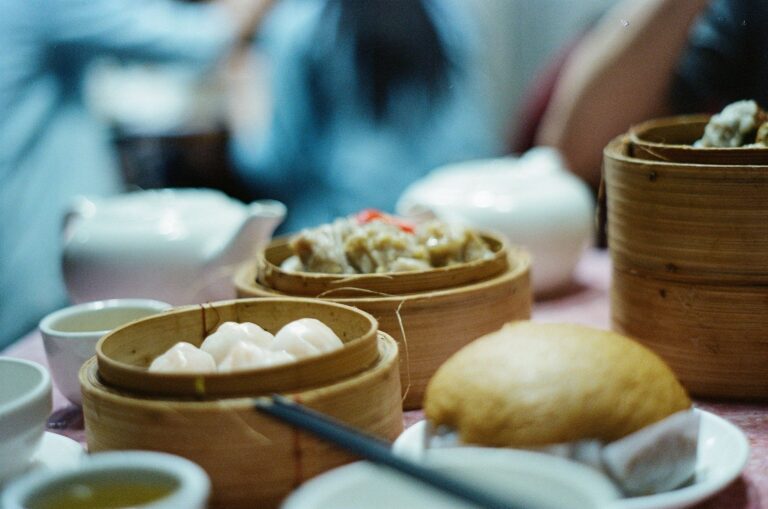
Different regions put their own spin on chow mein. The Cantonese version keeps it clean: egg noodles, Chinese broccoli, maybe some shrimp or pork. The sauce stays in the background. Hit up a Mong Kok dim sum spot, and you’ll see how the dish changes with what’s fresh that day.
Up north, things get heartier. Beijing-style means thick wheat noodles with lamb and cumin—a nod to nearby Central Asia. Shanghai leans sweeter, with thinner noodles soaking up more soy sauce. Same concept, different flavors.
What all versions share: the noodles come first. Everything else supports them. Most Western versions get this backwards, drowning good noodles in sauce and overcooked veggies.
Why Chow Mein Belongs in Your Regular Rotation
This is the ultimate weeknight meal. Five to seven minutes of actual cooking, but the results taste like you spent hours. The secret? Prep everything beforehand. Noodles cooked, veggies chopped, protein ready to go.
Chow mein also shows how flexible Chinese cooking can be. No Chinese broccoli? Bell peppers work. Out of shrimp? Chicken’s fine. The method stays the same. That’s why this dish traveled so well—it adapts without losing its soul.
Practice this often, and you’ll learn to read your wok like a pro. That skill transfers to stir-fries, fried rice, and more. Start with the Cantonese version—good soy sauce, fresh ginger, decent noodles. Get comfortable with the basics before branching out. After a month, you’ll be turning out better chow mein than most restaurants. Seriously.