Tokyo
Tokyo Bangkok
 Seoul
Seoul Singapore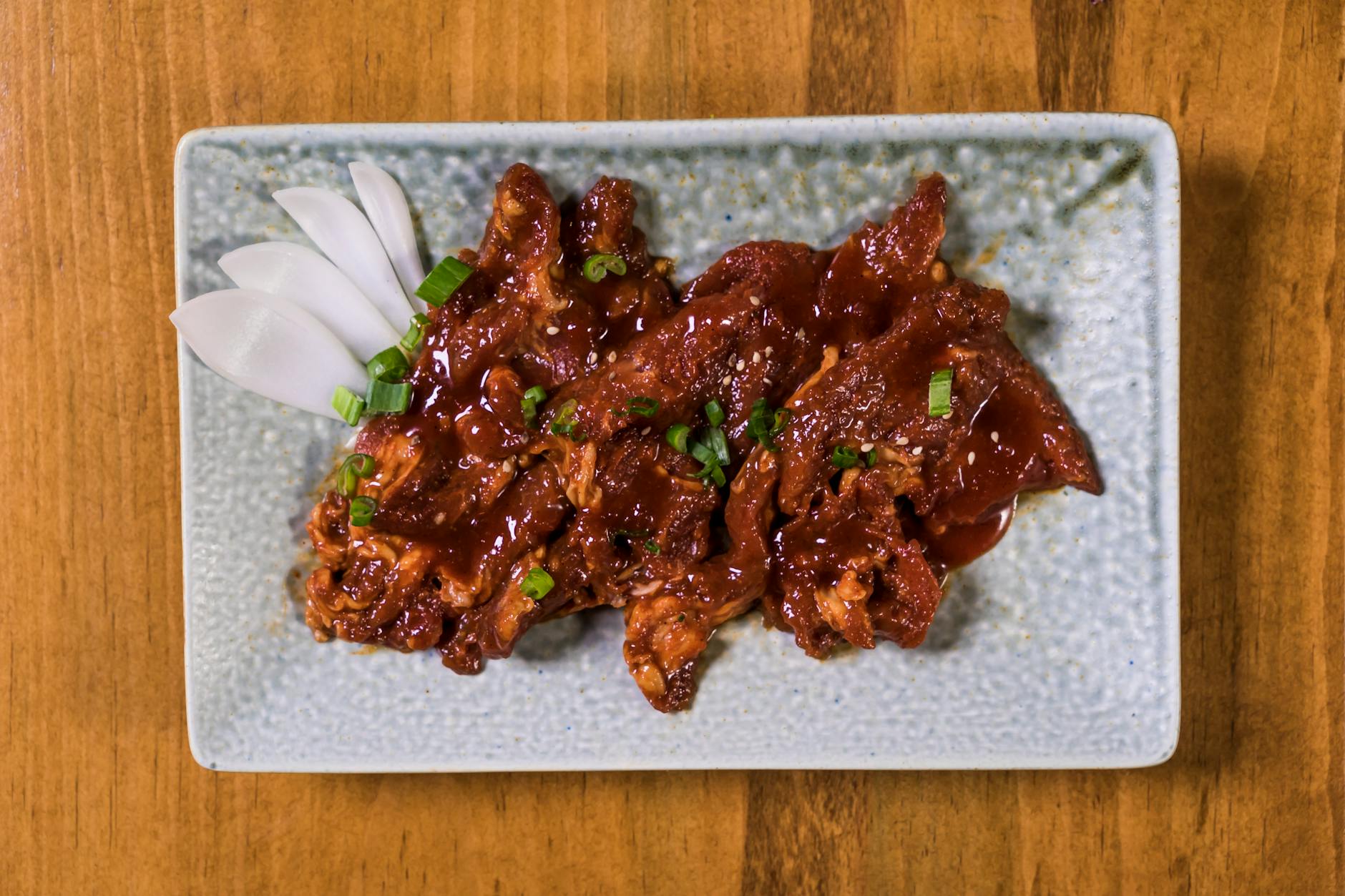
Seoul’s Perfect Korean BBQ: Where Locals Actually Eat
Why Seoul’s Korean BBQ Scene Matters
Seoul didn’t just invent Korean BBQ—it keeps raising the bar. While grilled meat joints pop up worldwide, the original still hits different. Grabbing galbi at some flashy Gangnam spot versus a no-frills local haunt? Night and day. After combing through Seoul’s top-rated BBQ spots, one neighborhood stood out: Gangseo-gu, where the real players operate.
The Five Korean BBQ Restaurants Seoul Gets Right
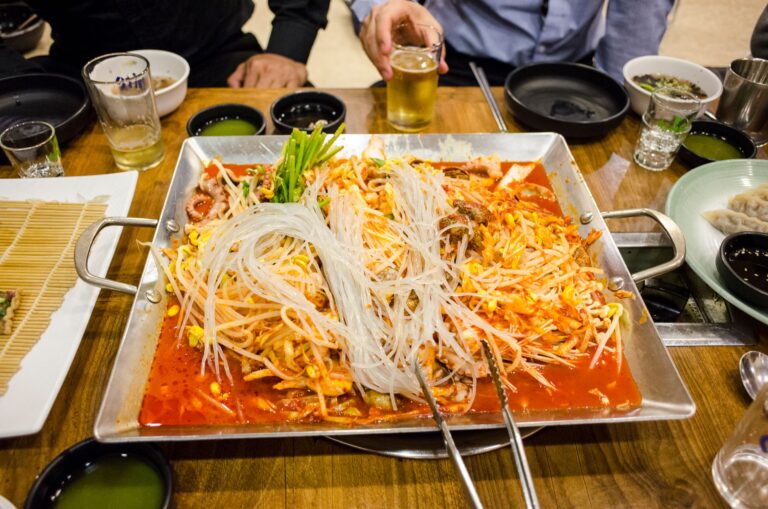
남춘네숯불닭갈비 (Namchun-ne Charcoal Chicken Galbi) tops the list with 115 perfect 5-star reviews—no small feat. At 20 Gangseo-ro 33-gil, they serve dakgalbi that makes other places taste like practice rounds. That many happy customers don’t lie. Their secret? Chicken ribs cooked just right—charred outside, juicy inside, with spice that doesn’t overpower. Simple in theory, tough to nail.
중랑등갈비 발산점 (Jungrang Deung Galbi) also rocks a flawless 5-star rating across 30 reviews. They specialize in deungalbi, those tender ribs between brisket and short rib. The fact their Balsan branch performs this well means they’ve got their system down—good meat, proper heat, no shortcuts.
청우 마곡본점 (Cheongwoo Magok Main) scores 5 stars from 21 diners in Magok-dong’s Doosan The Landmark Tower. This isn’t your average BBQ joint. Magok’s the new business hub, and Cheongwoo fits right in—think premium Hanwoo beef, not the cheap stuff. Fewer reviews, but from folks who know their meat.
으쌰라곱창본점 (Essara Gopchang Main) nails 5 stars with 16 reviews for their gopchang (intestines). At 15 Magokdong-ro 4-gil, they’re doing the tricky stuff right. Gopchang turns rubbery if handled wrong, but these guys clearly know their way around a grill. Sixteen perfect scores says they’re doing something special.
불노리막창 염창역점 (Bullnori Makchang) comes in at 4.9 stars from 20 reviews—basically perfect with one maybe-off day. Their makchang (large intestines) near Yeomchang station draws crowds. That slight dip from 5.0? Probably just someone having a bad Monday.
What Makes Seoul Different From Everywhere Else
Seoul’s BBQ game thrives on three things you can’t fake. First, the charcoal—specific hardwoods that burn clean and hot. Second, the meat. Local Hanwoo beef costs more but tastes completely different—richer, sweeter, with fat that melts just right. Third, the gear. Proper table vents, temperature-controlled grills, tools designed for the job. This isn’t just about taste—it’s about not smelling like smoke for days afterward.
Then there’s the competition. In Seoul, BBQ isn’t some fancy treat—it’s Tuesday dinner. Places either keep up or shut down. When five great spots sit on one block, mediocrity doesn’t fly.
How to Actually Eat Korean BBQ in Seoul
Timing is everything. Show up at 5:30 PM or after 10 PM to skip the rush. Weekends get wild—stick to weekdays if you can.
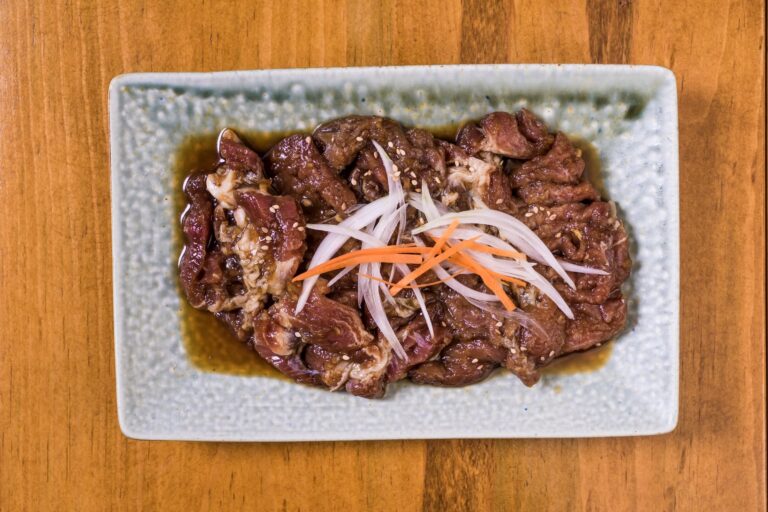
Order smart: Start with basic bulgogi or galbi to test the waters. If those impress, go for the specialty cuts. Most spots price by 100g portions (₩15,000-₩35,000/$11-$27).
Grill like a local: Meat goes straight on the coals. Flip once after 30-40 seconds, give it another 20-30, then pull it off. It’ll keep cooking a bit—no need to overdo it.
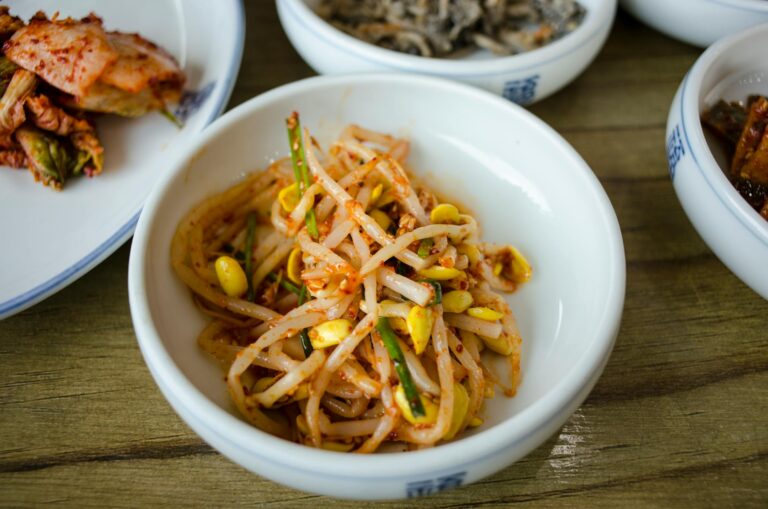
Use your banchan: Those little side dishes aren’t just decoration. Nibble between bites to reset your palate.
Add This to Your Seoul Itinerary
Seoul’s BBQ scene isn’t about gimmicks—it’s about generations perfecting the craft. From Namchun-ne’s unbeatable chicken ribs to Bullnori’s near-perfect makchang, these spots prove why Seoul still sets the standard. Book a table, fire up the grill, and taste the difference for yourself.