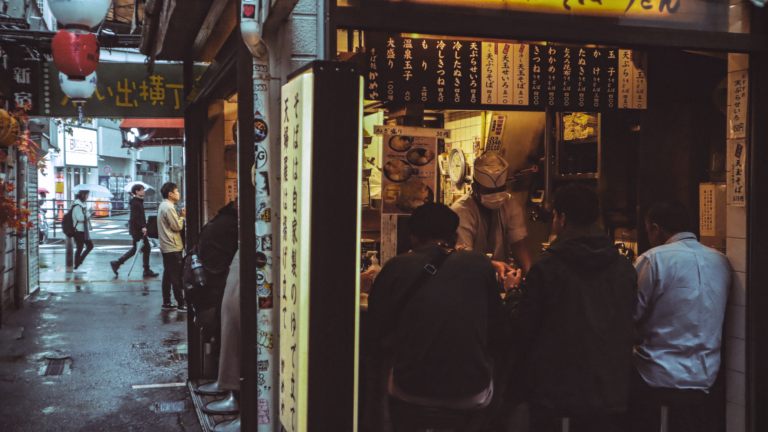
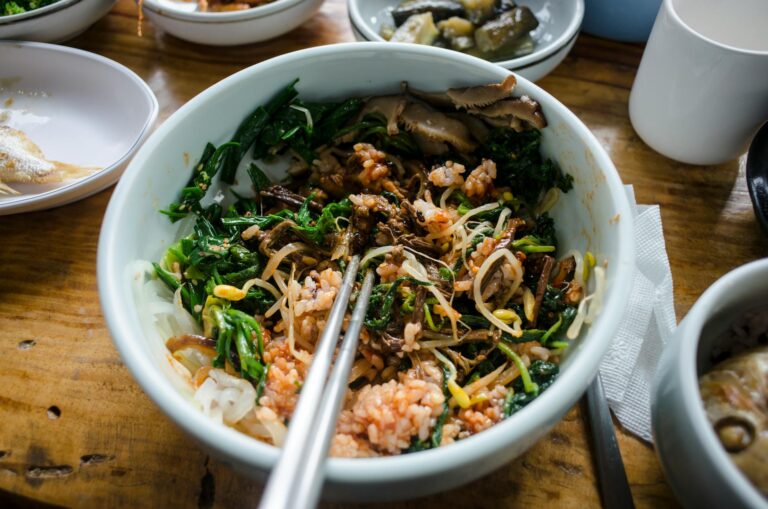
Tokyo
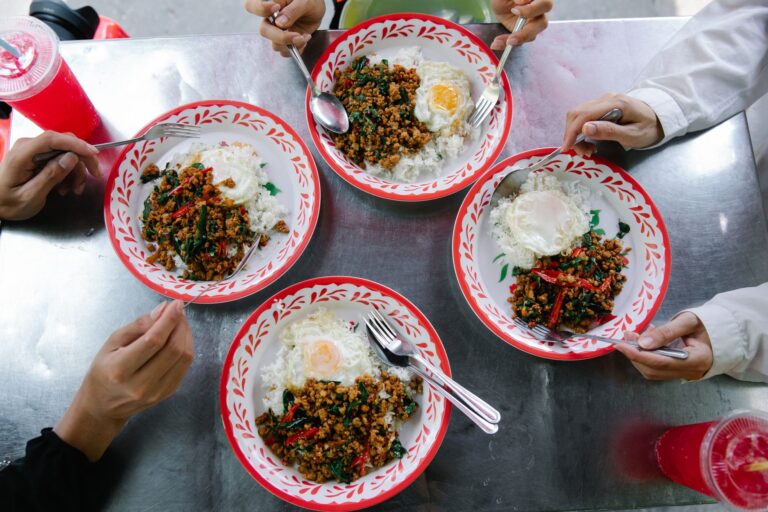
Tokyo Bangkok
 Seoul
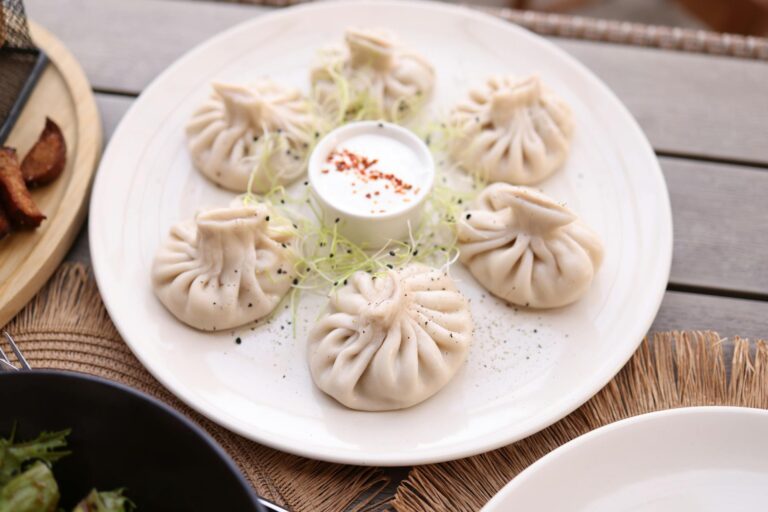
Seoul Singapore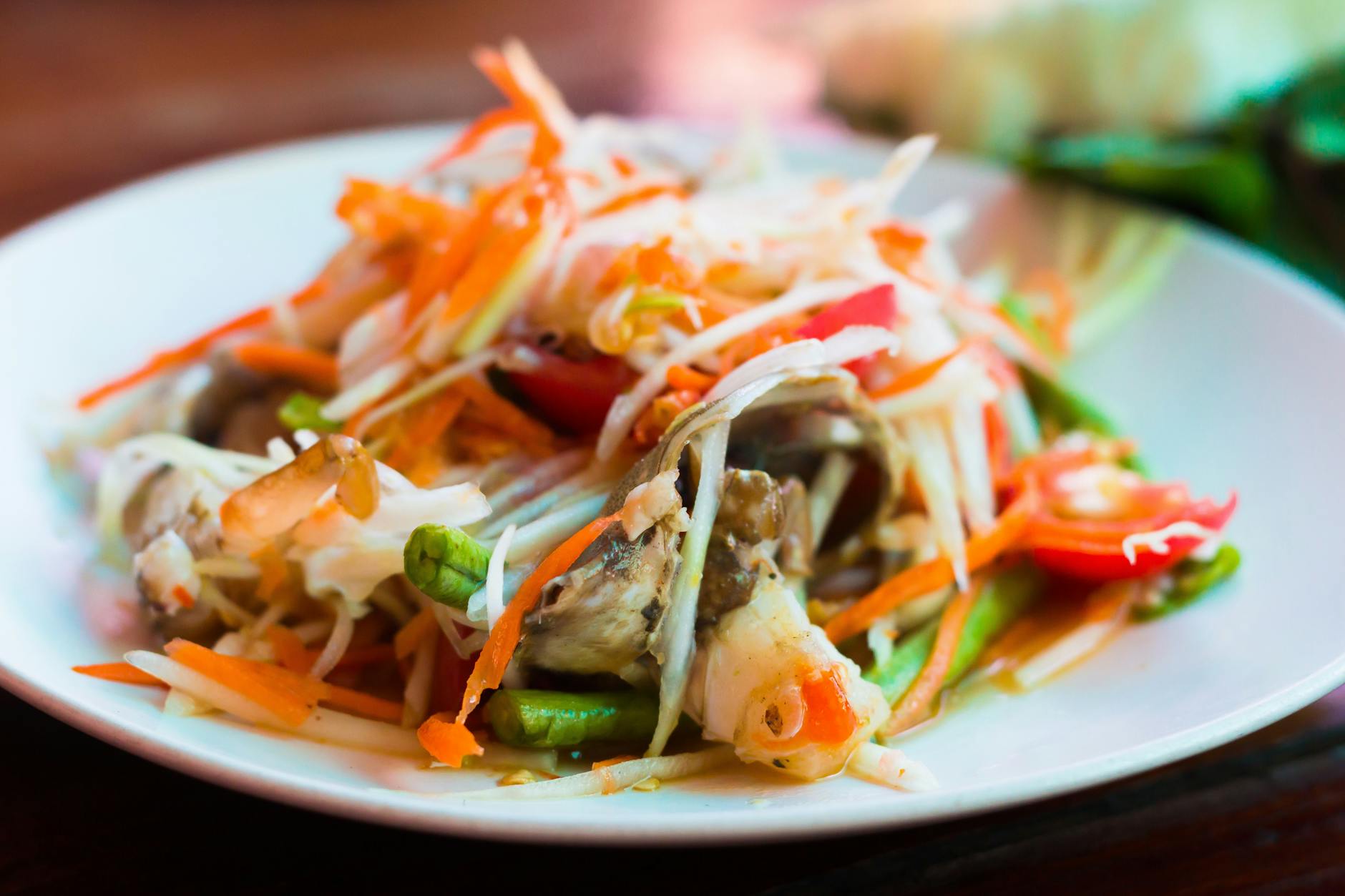
Thai Khao Tom Recipe: Street Vendor Technique at Home
Khao tom wasn’t dreamed up in some fancy kitchen—it was born in Bangkok’s late-night markets, where vendors needed something cheap, filling, and fast for workers ending shifts at 3 a.m. Leftover rice boiled with water and salt? That’s how it started. Now it’s everywhere, from street carts to hotel menus. The magic isn’t in fancy techniques. It’s in how one bowl nails all four Thai flavors at once. Get that balance right, and you’ll be thinking about it for weeks.
Why Khao Tom’s Four-Taste Balance Works
Unlike pad thai or curry, where flavors stay separate, khao tom blends everything together. Saltiness comes from fish sauce and salted eggs—mixed right into the broth, not just dumped on top. Lime juice (sometimes tamarind) brings the sour, cutting through the richness. Sweetness stays subtle: a hint of palm sugar, or the natural sugars in shrimp paste and slow-cooked pork. Heat? That’s up to you. Street vendors keep the base mild, then let you crank it up with condiments—fresh chilies in vinegar, chili paste, extra fish sauce. This way, nothing overpowers. When one flavor dominates, the whole thing falls flat.
Broth Like a Bangkok Street Pro
The broth is where the real skill shows. Start with a liter of good stock—chicken or pork bone, never just water. Warm it gently, add fish sauce (taste as you go), then a teaspoon of palm sugar. Here’s where home cooks mess up: stopping there. For depth, stir in shrimp paste until it dissolves, or simmer salted pork belly for 20 minutes. You’re not going for obvious meatiness—just that deep, quiet umami. Squeeze in lime right before serving. The broth should taste slightly too salty alone; remember, rice will dilute it. Chinatown vendors use one part rice to three parts broth, but home cooks often pile on more rice. It should be soft enough to break with a spoon, not turn to mush.
Toppings That Make It Yours
Now make it your own—but keep those four flavors in check. Soft-boiled or salted duck eggs add richness. Shredded chicken or minced pork keeps it hearty. Crispy shallots and garlic give crunch and sweetness. Cilantro and green onions freshen it up. Don’t skip the crispy bits: fried wonton strips or rice crackers, like they use at Or Tor Kor market. They soak up broth differently than rice. Always serve with sliced Thai chilies in vinegar—this isn’t optional. Let people tweak the heat and sourness. A spoonful of chili paste mixed with broth works too. The best bowls taste a little different with each bite, toppings shifting as you eat.
At home, think like a street vendor: simple, but purposeful. Nail the broth. Balance flavors before adding rice. Let people adjust the heat. That’s how you get khao tom that tastes like Bangkok after dark.