Tokyo
Tokyo Bangkok
 Seoul
Seoul Singapore
Thai Moo Ping Recipe: Make Street Vendor Skewers at Home
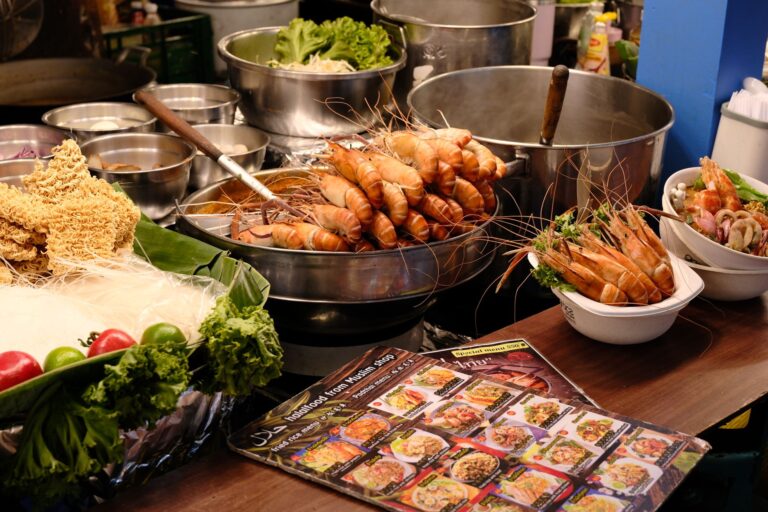
Watching a moo ping vendor at Bangkok’s Chatuchak Market reveals the craft behind these skewers. It’s not just flipping meat—they tilt the grill, rotate each stick carefully, letting the marinade caramelize perfectly. That attention makes all the difference. Moo ping seems simple, but nailing the balance of sweet, salty, sour, and spicy is why lines form before dawn.
Building the Marinade: Four Tastes Working Together
The marinade makes moo ping special, and it’s all about ratios. A vendor near Sukhothai shared her method: thick coconut milk (from a can), fish sauce, palm sugar, garlic, and cilantro root. Roughly one can coconut milk, three tablespoons fish sauce, two tablespoons palm sugar, six garlic cloves, and a handful of cilantro root (stems work too). Crush the garlic and cilantro first to release their oils. Taste as you go—salt should hit first, then sweetness, with herbs lingering. Too salty? Add sugar. Too sweet? A squeeze of lime balances it. No single flavor should dominate.
The Meat and the Marinade Timing
Pork shoulder or butt works best—cut into half-inch thick, three-inch strips. Marinate for 4-6 hours. Long enough to soak up flavor, not so long it turns mushy. Thread onto skewers (metal beats bamboo) and wipe off excess marinade. Here’s the trick: don’t overcrowd the grill. Medium-high heat lets the edges caramelize and char slightly. Rotate every few minutes. Watch for that perfect moment—crisp outside, juicy inside. Usually takes 8-12 minutes.
Finishing and Serving Like a Pro
Some vendors brush on extra marinade after grilling. The real magic? The sides. Mix fish sauce with water, lime juice, and chilies for dipping—add a pinch of sugar if you like. Sticky rice is mandatory. Pile on fresh herbs: Thai basil, cilantro, mint. Eat the skewers hot off the grill. Cooking for a crowd? Keep finished batches warm on a cooler part of the grill. This is street food—generous, unfussy. Make extra. Everyone always wants more.