Tokyo
Tokyo Bangkok
 Seoul
Seoul Singapore
How to Make Authentic Gomtang at Home
In Seoul, gomtang isn’t fancy restaurant food. It’s the steaming bowl your aunt slides across the table after a long day, the late-night remedy after too many soju shots, the unassuming star of family meals. This milky beef bone broth is so ordinary in Korean life that nobody makes a big deal about it—which is exactly what makes it special. Getting it right at home? That takes time and respect for why this dish has stuck around for generations.
Why Gomtang Matters Beyond the Bowl
“Ox bone soup” sounds simple, but gomtang does heavy lifting in Korean culture. It’s the ultimate reset button after a night of karaoke and drinking. The collagen-rich broth soothes stomachs better than anything else. It’s also the food people crave when they’re exhausted, sick, or just need a taste of home. Walk into any gomtang joint in Gangnam at noon and you’ll see office workers hunched over bowls, eating fast before heading back to work. Nobody treats it like a delicacy—it’s fuel. That’s why the real deal tastes different from tourist-friendly versions. Locals want clarity: clean but deep flavor, beef that shreds with a glance, and that feeling of being cared for rather than just fed.
Building the Broth: Technique Over Shortcuts
Grab 2kg of beef bones—marrow and leg bones work best. Koreans often use shank or knuckle bones for their perfect collagen-marrow ratio. First, blanch them: boil for 3-4 minutes, dump that water, rinse the bones cold. Skipping this? Your broth will look murky. Now the real work begins. Dump the cleaned bones into a big pot with 4 liters of water. Add a 3-inch ginger knob, 8-10 jujubes, 3-4 dried shiitakes, and a kelp strip. Bring to a boil, then dial it down to the quietest simmer. Here’s where patience kicks in: 12-16 hours. No cheating. Around hour 12, add 500g of brisket or chuck. Wait another 2-3 hours until the meat surrenders completely. Strain everything—only broth and meat matter now.
Finishing and Serving Like Koreans Do
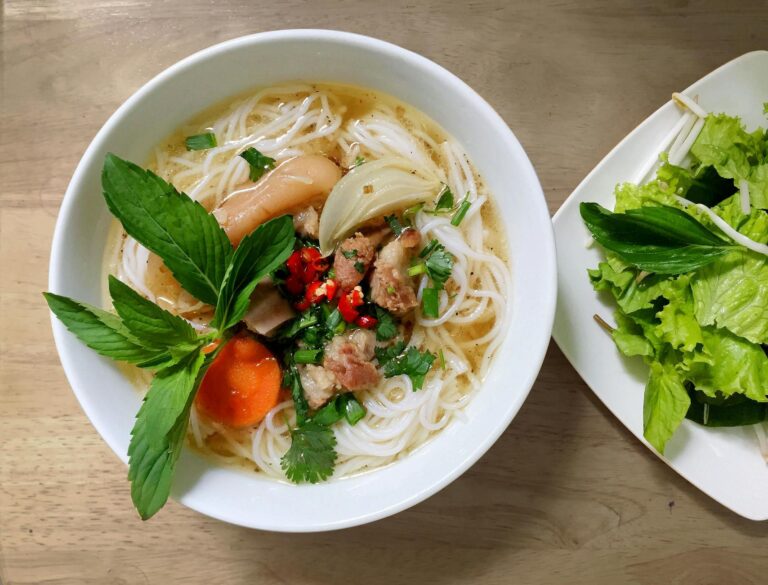
Season with salt and a whisper of Korean fish sauce for that extra umami punch. Serve in a stainless steel bowl (tradition, not trend) with shredded beef, perilla leaves, scallions, and a side dish of coarse salt. Koreans don’t mess around with excessive toppings—just dip your spoon in salt as needed. Rice on the side isn’t optional. It cuts through the broth’s richness. Some drop in a raw egg yolk for silkiness. Others sprinkle gochugaru for heat. But the broth should always lead. No hiding its flavor under a pile of extras.
Yes, homemade gomtang takes all day. But that first sip—clear yet profound, soothing yet substantial—explains everything. Why Koreans keep making it. Why it outlasts trends. Freeze leftovers and you’ve got instant comfort for future rough days.