Tokyo
Tokyo Bangkok
 Seoul
Seoul Singapore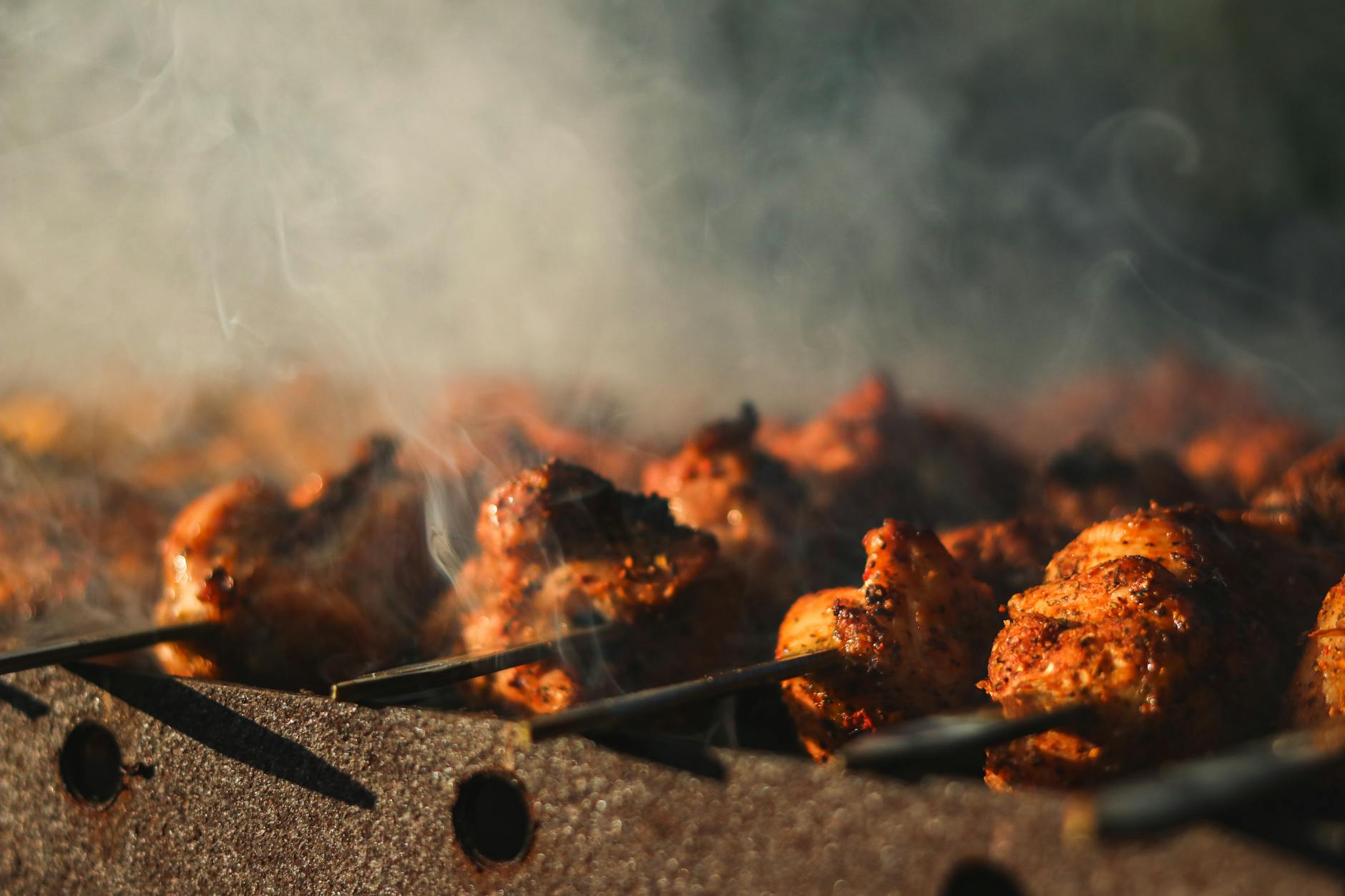
Make Char Siu Marinade at Home: Authentic Cantonese Recipe
There’s something mesmerizing about watching a Guangzhou cook glaze pork belly—like they’ve done it a thousand times before. When that meat hits the heat, you realize char siu doesn’t need to be complicated. The marinade? Just a handful of ingredients working in harmony. Get the balance right, and you’re golden.
Why Fermented Tofu Is Your Secret Weapon
Western recipes often skip fermented tofu, which is a shame. In Cantonese cooking, 腐乳 adds umami depth that soy sauce alone can’t match. Salty, funky, with a hint of sweetness—exactly what char siu needs. Look for the small red jars in Asian markets labeled “red fermented tofu.” Yes, it smells strong. That means it’s good.
Use about two tablespoons of the liquid part per kilo of pork. Mash it smooth first—this helps it spread evenly. That funky paste makes all the difference. First time I tried it at home, my Sydney neighbor swore I’d ordered takeout. All thanks to that little jar of fermented tofu.
Five Spice and Hoisin: The Flavor Foundation
Five spice powder is non-negotiable. Star anise, cloves, cinnamon, Sichuan pepper, and fennel create that signature warmth. One tablespoon per kilo of pork does the trick. No substitutes—this blend is what makes char siu taste right.
Hoisin brings the sweet, sticky goodness. Four tablespoons per kilo gives you that perfect caramelized crust. Together with five spice, it creates that classic char siu flavor—not just generic BBQ pork.
Throw in two tablespoons soy sauce, one tablespoon honey, and two minced garlic cloves. Mix until smooth—it should coat a spoon but still drip slowly.
Technique Matters More Than Ratios
Method is simple but important. Marinate pork shoulder or belly for at least four hours—overnight’s better. Roast at 190°C for about two hours on a rack over a water-filled tray. That steam keeps things juicy while the outside crisps up. Baste every thirty minutes with extra marinade. Save those tasty drippings.
Basting builds flavor. Each brush adds another layer of that glossy red glaze. After an hour, your kitchen will smell amazing. By hour two, the edges turn deep burgundy—that’s when you know it’s ready.
Make this once and you’ll be hooked. Works on pork shoulder, belly, even chicken thighs. Leftover marinade keeps in the fridge for two weeks. I always make extra—you’ll want it on hand.