Tokyo
Tokyo Bangkok
 Seoul
Seoul Singapore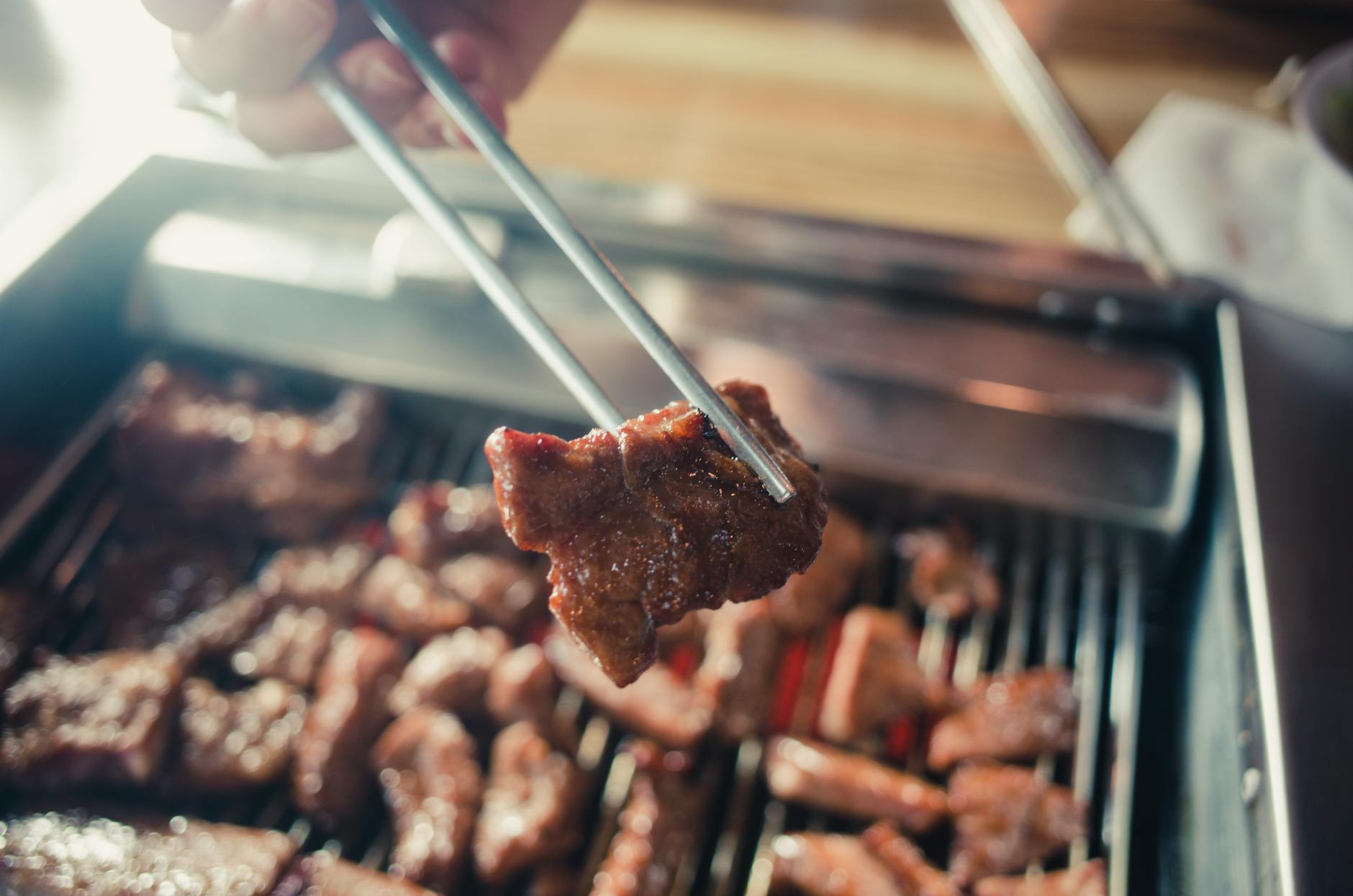
How to Make Authentic Galbi at Home: Korean BBQ Recipe
Korean BBQ wasn’t always about galbi. Back in the 1960s, when beef was pricey and hard to find in South Korea, short ribs were practically scrap meat—too bony, too lean to be worth much. Then someone got clever: slice them razor-thin across the bone, dunk them in sweet soy marinade, and flash-grill them over fire. Overnight, cheap cuts became craveable. Now galbi costs top dollar globally, but the method? Shockingly simple. Anyone can do it.
The Cut and the Marinade: Why Thickness Matters
Galbi lives or dies by the slice. You want flanken-cut short ribs—that’s when they’re hacked across the bone, not between them. Aim for ¼-inch thick. Any thicker and the marinade won’t sink in; any thinner and they’ll fall apart. Pro tip: Korean butchers label these “LA galbi” because the style caught on in Koreatown there first.
The sauce does half the work. Mix 1 cup soy sauce, ¾ cup brown sugar, ½ cup mirin (or honey), 6 cloves minced garlic, 1 tablespoon grated ginger, 2 tablespoons sesame oil, 1 tablespoon rice vinegar, and 1 teaspoon black pepper. That sugar isn’t just sweet—it’s fuel for the crust you’ll get on the grill. Let the ribs swim in this for at least 4 hours. Overnight’s better. The longer they soak, the more tender they get.
Grilling Technique: Speed and Heat Control
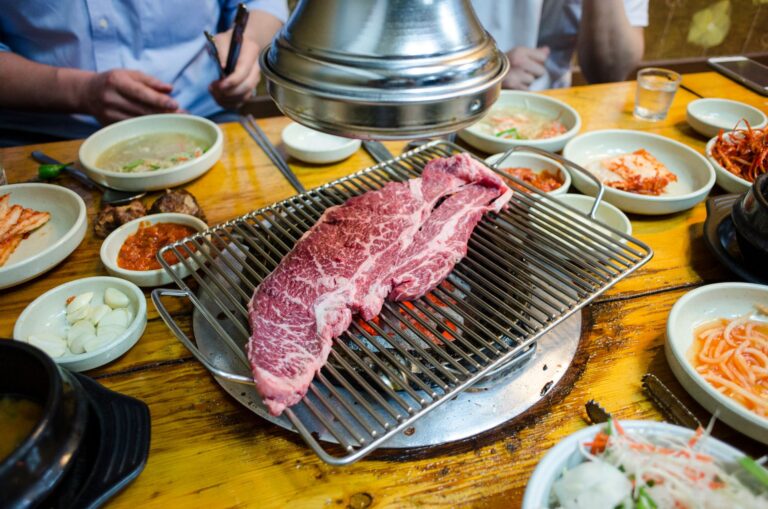
Crank your grill to nuclear. 500°F is the sweet spot—charcoal gives better flavor, but gas works in a pinch. Dry the ribs with paper towels first. Wet meat won’t brown. Keep the leftover marinade; you’ll paint it on at the end.
Grill 1-2 minutes per side max. This isn’t slow cooking—it’s a sprint. The second you see good char, flip them. Right before pulling them off, slather both sides with reserved marinade. It’ll sizzle into a sticky glaze. Let them rest for 2 minutes. Serve with rice, lettuce wraps, raw garlic slices, and ssamjang (that spicy Korean dip made with gochujang).
The Ritual: How Galbi Is Actually Eaten
Galbi isn’t just food—it’s a group activity. In Korea, nobody eats it straight off the plate. You bundle a piece in lettuce with garlic, maybe some rice, and a smear of ssamjang. Every bite’s a DIY project.
Set up your table like a Korean BBQ joint: lettuce leaves on one platter, garlic and chiles on another, ssamjang in a small bowl. Pile the hot galbi in the middle. The wrapping-and-eating ritual (called “ssam”) turns dinner into an event. That’s why galbi stars at birthdays and family gatherings. It makes people lean in, literally.
Home cooks, don’t stress. Get good ribs from a Korean market, mix the marinade right, and watch the clock when grilling. The method’s stood the test of time because it’s foolproof. Warning: Your first batch will vanish before you even sit down.