Tokyo
Tokyo Bangkok
 Seoul
Seoul Singapore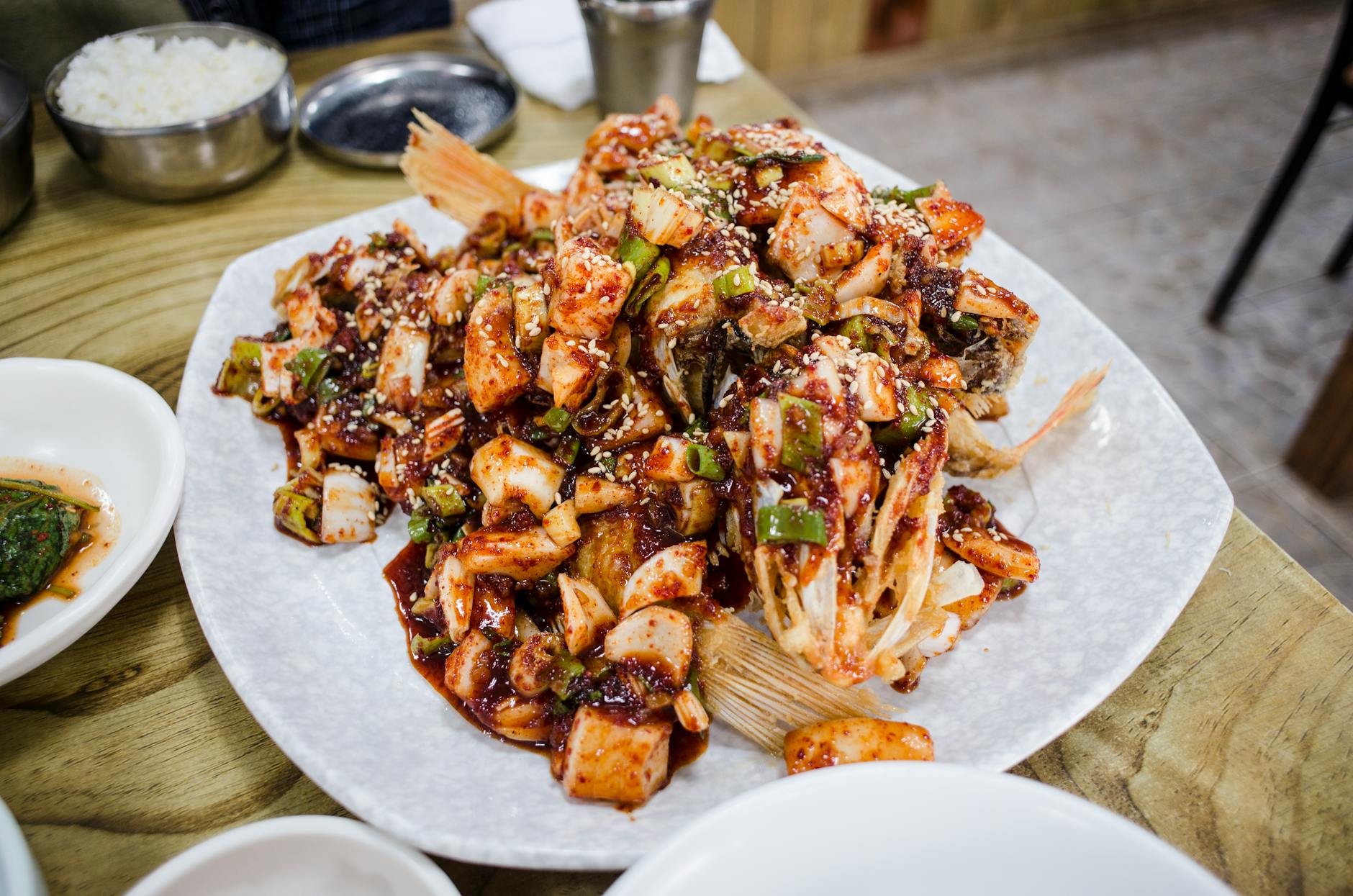
10 Best Korean Spicy Dishes Ranked by Heat Level
Korean food doesn’t ask if you want spice—it tells you. One bite of street cart tteokbokki will make that clear. This isn’t heat for show. It’s deep, slow-building flavor that sticks around.
Here’s the thing: great Korean spice isn’t just pain. It’s sweet, funky, sharp—all at once. A $2 rice cake from a Seoul alley tastes miles better than some prettied-up version. Like comparing a live band to elevator music.
Tteokbokki Is the Gateway Drug
Chewy rice cakes in fiery red sauce. Simple, right? Except when it’s done right, the sweetness hits first—brown sugar and fermented gochujang—before the chili kicks in. Bad tteokbokki? Rubbery and one-note. The good stuff has texture. Bite. Chew. Repeat.
Heat level: a manageable 3-4. Enough to wake you up without wrecking your day.
Skip the Trendy Spots—Hit the Carts
In New York, Myung In Dumplings nails that authentic pojangmacha vibe. London’s Kimchee in Soho gets the sauce just right. Sydney? Strathfield’s Burwood Road has multiple winners. Pay more than $5 and you’re getting ripped off.
Pro tip: add the fishcake. It soaks up sauce like a sponge and adds serious depth.
Tteokbokki’s Sneaky Heat Trick
The spice doesn’t announce itself. It creeps. By the last bite, your lips tingle and your nose runs. That’s not an accident—it’s how Korean cooks roll. Spice as a slow burn, not a sucker punch.
Rabokki: When Noodles Join the Party
Tteokbokki’s heavier, noodle-packed sibling. Same killer sauce, now with ramyeon soaking it all up. Heat jumps to 4-5. Texture game strong.
Good rabokki walks a tightrope—too much sauce and it’s soup, too little and the noodles go dry. Most places fail this test.
Rabokki Abroad vs. the Real Deal
In Seoul, vendors tweak it to order—extra cheese, less heat, whatever. Overseas, you take what they give you. That said, Strathfield and LA’s Seoul Mart food court don’t embarrass themselves.
Rabokki Is Where Normal People Stop
And that’s cool. It’s plenty spicy. But if you’re here for the pain, we’re just getting started.
Buldak Means Business
Chicken thighs drowned in gochujang and fire. Heat level 6-7. No more games. The chili comes hard, but the fermented funk still shines through.
Look for crispy-blackened edges and juicy meat underneath. Rice and pickles aren’t cop-outs—they’re survival tools.
Not All Buldak Is Created Equal
Neon-sign joints? They’ll hurt you. Regular spots tone it down. New York’s Buldak House doesn’t hold back. Neither does London’s Buldak Bokeumtang. Sydney’s Strathfield crew plays for keeps.
Say “spicy” like you mean it. They’ll take you seriously.
The Buldak Heat Scale Explained
Level 1: Cute. Level 3: Respectable. Level 5: Why are you like this? Start at 3. It’s not cowardice—it’s self-preservation.
The Game Plan
Street cart tteokbokki first. Rabokki if you’re feeling brave. Then hit a buldak spot at level 3. That’s how you learn. The heat’s just the vehicle—flavor’s the real destination.